
Dr Arnav Kumar
About Me
Dr Arnav Kumar
MBBS
General Physician
10 Years Experience
Biography
My Clinic
OPD Hours
| Monday | Morning | 10:00 AM | - | 02:00 PM |
| Evening | 06:00 PM | - | 09:00 PM | |
| Tuesday | Morning | 10:00 AM | - | 02:00 PM |
| Evening | 06:00 PM | - | 09:00 PM | |
| Wednesday | Morning | 10:00 AM | - | 02:00 PM |
| Evening | 06:00 PM | - | 09:00 PM | |
| Thursday | Morning | 10:00 AM | - | 02:00 PM |
| Evening | 06:00 PM | - | 09:00 PM | |
| Friday | Morning | 10:00 AM | - | 02:00 PM |
| Evening | 06:00 PM | - | 09:00 PM | |
| Saturday | Morning | 10:00 AM | - | 02:00 PM |
| Evening | 06:00 PM | - | 09:00 PM | |
| Sunday | Morning | 10:00 AM | - | 02:00 PM |
| Evening | 06:00 PM | - | 09:00 PM |
Treatments
Specialised care and treatments offered
IMMUNIZATION UPDATES
Immunizations are key components in preventing infectious diseases. Keeping vaccinations up-to-date not only protects the individual but also helps ensure community safety through herd immunity effects.
- The common schedules, including childhood immunizations such as MMR (measles, mumps, rubella) vaccines along with adult boosters like tetanus-diphtheria-pertussis (Tdap), play critical roles in public health initiatives everywhere .
- Vaccinations help stimulate an effective immune response , therefore minimizing risks associated with preventable illnesses .
- Consultation about recommended vaccines should consider age groups , prior vaccination statuses , allergies , or specific travel plans where additional preventive measures might be necessary .
Regular updates from healthcare providers ensure optimal protection against serious diseases leading towards healthier populations overall .
CHOLESTEROL SCREENING

Cholesterol screening is essential in assessing cardiovascular risk factors. High cholesterol can lead to plaque buildup in arteries which increases the risk of heart disease and stroke over time if undetected.
- The significant symptoms, though often silent until severe complications arise, can include chest pain or heart attacks due to blockages created by cholesterol deposits in arteries.
- This diagnosis generally involves fasting blood tests that evaluate total cholesterol levels including LDL (bad) cholesterol and HDL (good) cholesterol ratios in the body.
- If results indicate high cholesterol levels, management strategies usually include dietary changes aimed at reducing saturated fats along with exercise regimes; sometimes medications may also be necessary for better control.
By identifying high cholesterol early through screening procedures , individuals take meaningful steps toward protecting their cardiovascular health effectively .
RESPIRATORY HEALTH ASSESSMENT
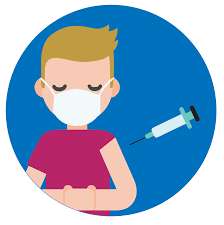
A respiratory health assessment focuses on evaluating lung function and breathing patterns. This evaluation is crucial for diagnosing conditions like asthma or chronic obstructive pulmonary disease (COPD).
- You may experience symptoms such as chronic cough, wheezing, chest pain, or difficulty breathing when respiratory issues are present.
- The assessment typically starts with a thorough medical history followed by physical examinations including lung function tests (spirometry) to measure airflow capacity.
- Treatment approaches often involve inhalers or medication to alleviate symptoms along with lifestyle recommendations like smoking cessation for better lung health outcomes.
A proactive approach in assessing respiratory conditions can significantly improve quality of life by managing symptoms effectively over time.
ANNUAL PHYSICAL EXAMINATION
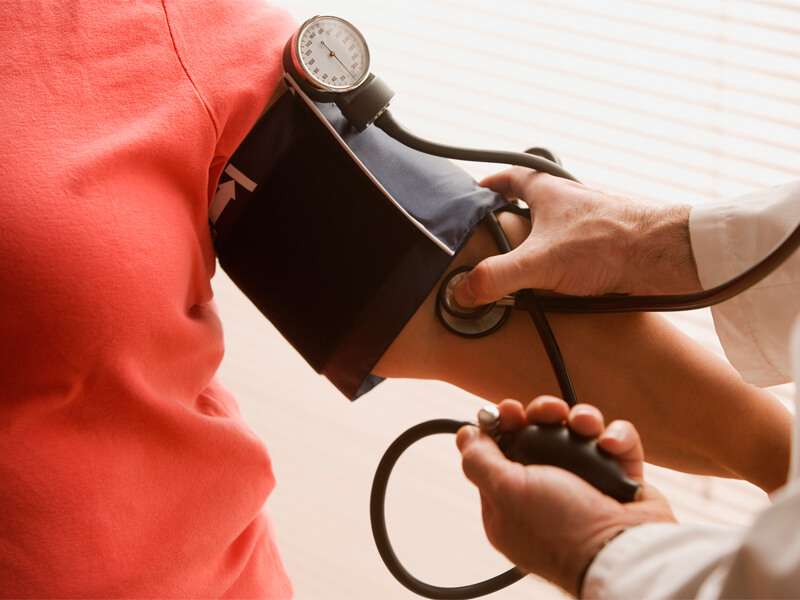
An annual physical examination is an essential part of preventive healthcare that helps assess one's overall health status. Regular check-ups can catch potential health issues before they develop into more severe conditions.
- The exam typically includes checking vital signs like heart rate and blood pressure alongside assessing medical history and lifestyle factors.
- Your doctor will evaluate key health indicators through blood tests that may screen for cholesterol levels, diabetes risk, or vitamin deficiencies.
- This routine assessment allows for early identification of problems such as obesity or hypertension that could lead to further complications if left unchecked.
An annual visit fosters proactive engagement with your health care provider about promoting long-term wellness strategies tailored specifically for you.
DIABETES SCREENING

Diabetes is a metabolic disorder characterized by high blood sugar levels. Early detection is crucial for successful management and to prevent complications such as heart disease and kidney damage.
- Common symptoms of diabetes include increased thirst, frequent urination, fatigue, and blurred vision.
- A healthcare provider performs diagnosis through fasting blood tests or oral glucose tolerance tests to determine blood sugar levels.
- If diagnosed, treatment typically involves lifestyle changes like diet improvements and exercise alongside possible medication use to manage blood sugar levels effectively.
- Regular monitoring of blood glucose levels is essential for all patients to track their condition and adjust treatment plans accordingly.
Ultimately, early intervention through screening plays a vital role in preventing severe health outcomes associated with diabetes.
HYPERTENSION MANAGEMENT

Hypertension, or high blood pressure, is a common condition where the force of the blood against artery walls is too high. If left uncontrolled, it can lead to serious health issues such as heart disease and stroke.
- Symptoms often include headaches, shortness of breath, and nosebleeds, although many individuals may not experience any noticeable symptoms.
- Diagnosis typically involves measuring blood pressure using a sphygmomanometer and may require multiple readings over time.
- Treatment options may include lifestyle changes like a balanced diet and regular exercise, as well as medications such as diuretics or ACE inhibitors.
- Patients should monitor their blood pressure regularly and maintain follow-up appointments to assess management effectiveness.
- Long-term management can significantly reduce risks associated with hypertension complications.
With proper care and lifestyle adjustments, individuals with hypertension can lead healthy lives while managing their condition effectively.