Dr Arohi Tasgaonkar
About Me
Dr Arohi Tasgaonkar
MBBS,MS
Gynecologist,Obstetrician
12 Years Experience
Biography
My Clinic
OPD Hours
| Monday | Morning | 09:00 AM | ||
| Evening | 09:00 PM | |||
| Tuesday | Morning | 09:00 AM | ||
| Evening | 09:00 PM | |||
| Wednesday | Morning | 09:00 AM | ||
| Evening | 09:00 PM | |||
| Thursday | Morning | 09:00 AM | ||
| Evening | 09:00 PM | |||
| Friday | Morning | 09:00 AM | ||
| Evening | 09:00 PM | |||
| Saturday | Morning | 09:00 AM | ||
| Evening | 09:00 PM | |||
| Sunday | Morning | 09:00 AM | ||
| Evening | 09:00 PM |
Treatments
Specialised care and treatments offered
CERVICAL CANCER SCREENING
Cervical cancer screening is vital for early detection of precancerous changes in cervical cells. Regular screenings save lives by identifying issues before they develop into cancer
- The main methods involve Pap smears which detect abnormal cell changes alongside HPV testing that identifies high-risk types linked directly with cervical cancer development
- A routine exam allows healthcare professionals timely opportunities related follow-up evaluations when abnormalities arise
INFERTILITY EVALUATION
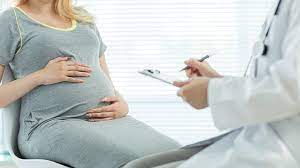
This process involves understanding potential reasons couples face difficulties conceiving after one year (or six months if over 35). Infertility affects roughly 10-15% of couples worldwide; hence proper evaluation is critical for proper intervention protocols
- The assessment typically includes reviewing medical history along with laboratory tests assessing hormone levels in both partners
- An ultrasound evaluation of female reproductive organs helps identify structural issues potentially influencing fertility outcomes
- Treatment options may encompass lifestyle modifications first before considering assisted reproductive technologies like IVF based on specific diagnoses discovered during evaluations
A thorough infertility evaluation identifies underlying conditions leading to ineffective conception attempts allowing couples informed choices toward parenthood pathways moving forward!
UTERINE FIBROIDS
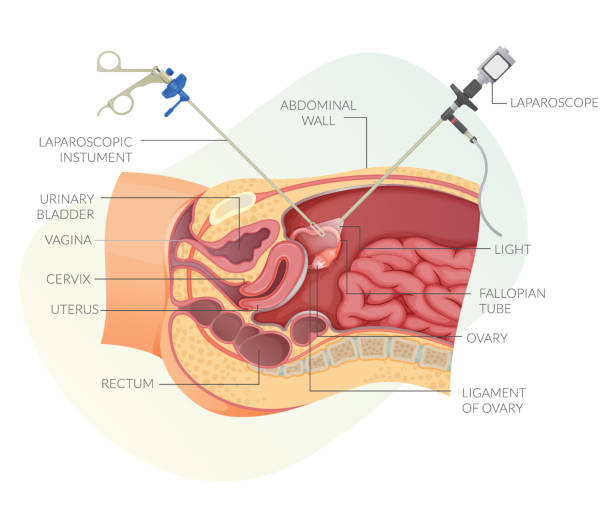
These non-cancerous growths in the uterus are common among women during their reproductive years. While many women experience no symptoms at all, they can still impact quality of life for some individuals significantly.
- Symptoms may include heavy menstrual bleeding, pelvic pressure or pain, frequent urination, or complications related to pregnancy in certain cases.
- A gynecologist will often diagnose fibroids through pelvic examination followed by imaging techniques like ultrasound or MRI for clearer visualization of the growths.
- Treatment options vary widely from watchful waiting for mild cases to medications aimed at shrinking fibroids or procedures such as myomectomy or hysterectomy for larger ones causing significant issues.
If you suspect you have uterine fibroids causing distressing symptoms, consulting a healthcare provider for an effective management plan is essential.
MENOPAUSE MANAGEMENT

Menopause marks the end of menstrual cycles and is a natural part of aging in women typically occurring between ages 45-55. It's characterized by various physical changes that require attention.
- Symptoms can include hot flashes, night sweats, mood swings, sleep disturbances, and vaginal dryness.
- The diagnosis is often made based on a woman’s medical history and symptom evaluation; blood tests may be conducted to assess hormone levels as well.
- Treatment focuses on alleviating symptoms through hormone replacement therapy (HRT), lifestyle modifications including diet and exercise tailored for peak wellness during this transition period.
- Non-hormonal medications might also be prescribed depending on individual needs and health risks.
A comprehensive approach addressing both physical and emotional health can ease the transition through menopause substantially.
ENDOMETRIOSIS

This chronic condition occurs when tissue similar to the lining inside the uterus grows outside of it. Endometriosis can cause significant pain and other complications.
- Symptoms often include severe pelvic pain, especially during menstruation, painful intercourse, and heavy periods.
- A healthcare provider typically diagnoses it through pelvic exams, imaging tests like ultrasounds or MRIs, and sometimes laparoscopy for direct observation.
- Treatment options range from pain management with NSAIDs to hormonal therapies aimed at reducing or eliminating menstruation.
- Surgery may be necessary for more severe cases or if there are concerns about fertility.
- Ongoing follow-up is crucial to monitor symptoms after treatment.
Timely intervention can significantly improve quality of life for those affected by endometriosis.
POLYCYSTIC OVARY SYNDROME (PCOS)

Polycystic Ovary Syndrome is a hormonal disorder affecting women of reproductive age. It can lead to various symptoms and complications if left untreated.
- Common symptoms include irregular menstrual cycles, excessive hair growth, acne, and weight gain.
- Diagnosis usually involves a combination of physical exams, blood tests to check hormone levels, and ultrasound imaging to identify any cysts on the ovaries.
- Management options may include lifestyle changes such as diet and exercise, hormonal therapies to regulate periods, and medications like Metformin for insulin resistance.
- In some cases, fertility treatments may be necessary for those seeking to conceive.
- Regular monitoring can help prevent long-term health issues associated with PCOS.
With appropriate care and management strategies, women with PCOS can lead healthy lives and manage their symptoms effectively.