
Dr Arti Gupta
About Me
Dr Arti Gupta
MBBS
Urologists
10 Years Experience
Biography
My Clinic
OPD Hours
| Monday | Morning | 10:00 AM | - | 02:00 PM |
| Evening | 06:00 PM | - | 09:00 PM | |
| Tuesday | Morning | 10:00 AM | - | 02:00 PM |
| Evening | 06:00 PM | - | 09:00 PM | |
| Wednesday | Morning | 10:00 AM | - | 02:00 PM |
| Evening | 06:00 PM | - | 09:00 PM | |
| Thursday | Morning | 10:00 AM | - | 02:00 PM |
| Evening | 06:00 PM | - | 09:00 PM | |
| Friday | Morning | 10:00 AM | - | 02:00 PM |
| Evening | 06:00 PM | - | 09:00 PM | |
| Saturday | Morning | 10:00 AM | - | 02:00 PM |
| Evening | 06:00 PM | - | 09:00 PM | |
| Sunday | Morning | 10:00 AM | - | 02:00 PM |
| Evening | 06:00 PM | - | 09:00 PM |
Treatments
Specialised care and treatments offered
HYDROCELE
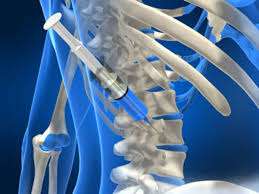
A hydrocele is a fluid-filled sac surrounding a testicle that causes swelling in the scrotum. It generally develops slowly and is painless but requires evaluation to exclude other conditions affecting male reproductive health.
- Causes: congenital defects allowing fluid accumulation around testes; injury or inflammation may also contribute.
- Signs & symptoms: noticeable scrotal swelling without significant discomfort though occasionally heaviness occurs.
- Diagnosis procedures: physical examination using transillumination technique where light passes through swollen area confirming fluid presence; ultrasound imaging provides clarity.
- Management: small hydroceles often need no treatment unless symptomatic; larger ones require surgical intervention called hydrocelectomy.
The outlook is excellent post-treatment with minimal complications ensuring restoration of normal scrotal appearance and comfort following recovery period.
INCONTINENCE
The loss of bladder control resulting in involuntary leakage of urine is termed urinary incontinence. It affects people across all ages but is especially common among older adults and women post-childbirth or menopause.
- Symptoms: leakage during coughing/sneezing (stress incontinence), sudden urge followed by involuntary loss (urge incontinence), mixed types combining these features.
- Causes: weakened pelvic floor muscles after childbirth/surgery/aging; neurological disorders; prostate problems in men.
- Diagnosis: comprehensive history including voiding diary; physical exam focusing on pelvic muscle strength; urodynamic studies if needed.
- Treatments: pelvic floor muscle exercises (Kegel exercises), bladder training techniques, medications targeting overactive bladder symptoms; surgery reserved for severe cases.
Treatment success relies heavily on individualized plans incorporating lifestyle changes plus targeted therapies to improve continence function living quality.
ERECTILE DYSFUNCTION

Erectile dysfunction (ED) is the inability to achieve or maintain an erection sufficient for satisfactory sexual performance. It affects men of various ages but becomes more prevalent with advancing age.
- Main causes: vascular disease, diabetes mellitus, hormonal imbalances, psychological factors such as stress or anxiety.
- Symptoms: reduced firmness of erections or difficulty achieving erection despite sexual stimulation.
- Evolving diagnosis :
URINARY TRACT INFECTIONS (UTI)

Urinary tract infections are bacterial infections that affect any part of the urinary system including bladder and urethra. They are more common in women but can affect both genders at any age.
- Typical symptoms: burning sensation during urination, frequent urge to urinate, cloudy or strong-smelling urine, pelvic pain in women.
- Causative factors: bacteria entering the urinary tract often from the digestive tract flora; poor hygiene or catheter use increases risk.
- Diagnostic methods: Urine culture and analysis confirm infection presence and identify causative organisms.
- Treatment options: antibiotics are the mainstay; symptom relief may include analgesics; recurrent UTIs require further evaluation for underlying causes.
Treating UTIs promptly prevents complications like kidney infections; patient education on hygiene practices also helps reduce recurrence rates significantly.
KIDNEY STONES

The formation of kidney stones involves hard mineral deposits accumulating in the kidneys. These can cause severe pain and urinary issues that require medical attention.
- Symptoms include sharp flank pain, blood in urine, nausea, vomiting, and frequent urge to urinate.
- Causes include dehydration, dietary factors, genetic predisposition, and certain medical conditions.
- Diagnosis is confirmed through imaging tests like ultrasound or CT scans combined with urine analysis.
- Treatment depends on stone size: small stones may pass naturally with hydration and pain management; larger stones could require lithotripsy or surgical removal.
- Prevention: Increased fluid intake and dietary adjustments reduce recurrence risk.
A tailored approach ensures effective relief from kidney stones while emphasizing preventive strategies to minimize future episodes.
BENIGN PROSTATIC HYPERPLASIA (BPH)

Benign Prostatic Hyperplasia (BPH) is a common condition affecting aging men, characterized by the enlargement of the prostate gland. This enlargement can lead to difficulties with urination and impact quality of life.
- Symptoms: Frequent urination, weak urine stream, urgency, and difficulty starting or stopping urination.
- Causes: Hormonal changes with age contribute to prostate tissue growth.
- Diagnosis: Includes digital rectal examination, urine tests, blood tests for PSA levels, and sometimes ultrasound or uroflowmetry.
- Treatment options: Lifestyle modifications, medications such as alpha-blockers or 5-alpha reductase inhibitors, and in severe cases surgical interventions like TURP.
- What to expect: Treatment aims to relieve symptoms; many patients see significant improvement with medication while surgery is reserved for complicated cases.
Understanding BPH helps patients seek timely care and manage symptoms effectively through appropriate therapies based on disease severity.