
Dr Arun Gupta
About Me
Dr Arun Gupta
MD
Dermatologist
10 Years Experience
Biography
My Clinic
OPD Hours
| Monday | Morning | 10:00 AM | - | 02:00 PM |
| Evening | 06:00 PM | - | 09:00 PM | |
| Tuesday | Morning | 10:00 AM | - | 02:00 PM |
| Evening | 06:00 PM | - | 09:00 PM | |
| Wednesday | Morning | 10:00 AM | - | 02:00 PM |
| Evening | 06:00 PM | - | 09:00 PM | |
| Thursday | Morning | 10:00 AM | - | 02:00 PM |
| Evening | 06:00 PM | - | 09:00 PM | |
| Friday | Morning | 10:00 AM | - | 02:00 PM |
| Evening | 06:00 PM | - | 09:00 PM | |
| Saturday | Morning | 10:00 AM | - | 02:00 PM |
| Evening | 06:00 PM | - | 09:00 PM | |
| Sunday | Morning | 10:00 AM | - | 02:00 PM |
| Evening | 06:00 PM | - | 09:00 PM |
Treatments
Specialised care and treatments offered
SKIN BIOPSY
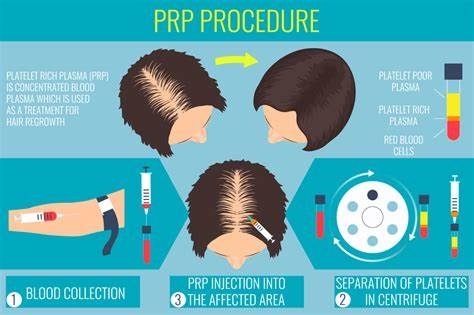
A skin biopsy is an essential diagnostic tool utilized by dermatologists to examine suspicious moles or lesions more thoroughly. This procedure aids in determining whether these growths are benign or malignant through microscopic analysis of tissue samples taken from affected areas.
- Indications may include irregular moles showing changes in color shading prompting further investigation with biopsies recommended accordingly.
- Diagnosis involves physical examinations alongside medical history evaluations establishing warranted biopsy protocols suited per patient circumstance.
- During procedures area numbing occurs prior extraction so potential discomfort remains minimal; this quick process impacts daily routines insignificantly overall.
- Results likelihood returns within days enabling prompt therapeutic responses tailored accordingly enhancing timely interventions conforming precisely needed measures afterward!
Given its critical role in diagnosing problematic skin conditions promptly allows stakeholders’ peace-of-mind instilling confidence throughout every step taken together!
>PHOTODYNAMIC THERAPY (PDT)
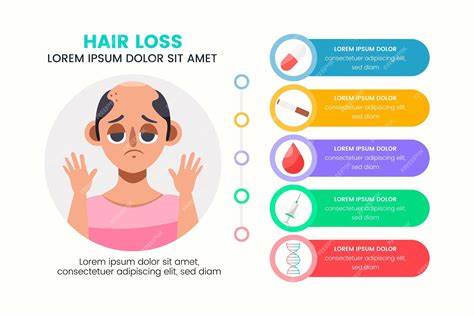
Photodynamic therapy (PDT) is an innovative treatment primarily used for certain types of cancerous lesions and precancerous conditions. By utilizing light-activated agents, PDT selectively destroys abnormal cells without harming surrounding tissues significantly.
- Commonly treated issues encompass actinic keratosis lesions or basal cell carcinoma diagnosed through clinical evaluations.
- Diagnosis usually combines visual assessments along with biopsy results confirming malignant changes before proceeding with PDT.
- Management options involve topical application of photosensitizing agents followed by activation using specific wavelengths of light during subsequent visits.
- Patients can anticipate some localized redness or swelling that typically resolves quickly following therapy sessions.
This targeted method not only treats existing conditions effectively but also minimizes future risks associated with traditional surgical interventions.
DERMAL FILLERS
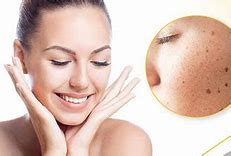
Dermal fillers represent a non-surgical approach aimed at restoring volume and smoothing out wrinkles on the face. These injectable treatments enhance facial contours with immediate results, making them popular among those desiring youthful aesthetics without extensive downtime.
- The primary indications for dermal fillers include loss of facial volume due to aging, hollow cheeks, or deep-set wrinkles around the mouth.
- A consultation helps determine the right filler type based on individual facial anatomy and desired outcomes before administration begins; often an allergy test is performed if necessary.
- Treatment involves injections into specific areas using fine needles; pain management techniques can ease discomfort during the process.
- Immediate effects are visible post-application but continue improving as any swelling subsides; results last several months depending on filler substance used.
This minimally invasive option allows individuals to achieve refreshed looks conveniently while maintaining natural expressions over time.
CHEMICAL PEELS
Chemical peels are effective skincare treatments that remove damaged outer layers of skin using special solutions. These peels can improve texture, reduce fine lines, and brighten complexion significantly.
- Common conditions treated include acne scars, sunspots, and signs of aging such as wrinkles or uneven tone.
- A dermatologist will perform an initial assessment to recommend the most suitable type of peel based on individual skin concerns.
- Treatment options vary from superficial peels requiring minimal downtime to deeper peels that yield more dramatic results but necessitate longer recovery periods.
- Diverse ingredients like glycolic acid or trichloroacetic acid are used depending on desired outcomes and skin sensitivity levels.
- Patiens should expect some redness post-treatment but overall improvements in their skin's appearance within weeks as healing progresses.
Chemical peels serve as an excellent option for those looking to rejuvenate their skin safely under professional guidance.
MOHS MICROGRAPHIC SURGERY
This specialized surgical technique is designed to treat certain types of skin cancer by removing cancerous cells layer by layer. Mohs micrographic surgery allows for precise excision while preserving as much surrounding healthy tissue as possible.
- Symptoms might include irregularly shaped moles or growths that bleed or crust over.
- A thorough examination and possibly a biopsy will help confirm a skin cancer diagnosis prior to this intervention.
- The procedure itself involves local anesthesia followed by meticulous removal of cancerous layers until clear margins are achieved.
- Patients can anticipate a short recovery period with minimal scarring due to this targeted approach.
- Mohs surgery boasts high success rates in eliminating skin cancers while maximizing cosmetic results.
This method exemplifies a balance between effective treatment and aesthetic preservation, providing reassurance for those diagnosed with skin cancer.
LASER HAIR REMOVAL
Laser hair removal is a popular cosmetic procedure that utilizes concentrated light beams to eliminate unwanted hair. This technique targets the pigment in hair follicles, effectively reducing hair regrowth over time.
- Common symptoms include excessive hair growth on various body parts, which may cause emotional distress or discomfort.
- The diagnosis typically involves a consultation where the skin type and hair color are assessed to determine the best treatment approach.
- Treatment options include multiple laser sessions tailored to individual needs, often resulting in permanent hair reduction with minimal side effects.
- During each session, patients can expect some mild discomfort akin to a rubber band snap.
- Results usually become noticeable after several treatments, leading to smoother skin and enhanced confidence.
This method is generally safe and effective, making it a top choice for those seeking long-lasting solutions for unwanted hair.