
Dr Arun Singh, B
About Me
Dr Arun Singh, B
MD
Anesthesiologist
Biography
My Clinic
OPD Hours
| Monday | Morning | 10:00 AM | - | 02:00 PM |
| Evening | 06:00 PM | - | 09:00 PM | |
| Tuesday | Morning | 10:00 AM | - | 02:00 PM |
| Evening | 06:00 PM | - | 09:00 PM | |
| Wednesday | Morning | 10:00 AM | - | 02:00 PM |
| Evening | 06:00 PM | - | 09:00 PM | |
| Thursday | Morning | 10:00 AM | - | 02:00 PM |
| Evening | 06:00 PM | - | 09:00 PM | |
| Friday | Morning | 10:00 AM | - | 02:00 PM |
| Evening | 06:00 PM | - | 09:00 PM | |
| Saturday | Morning | 10:00 AM | - | 02:00 PM |
| Evening | 06:00 PM | - | 09:00 PM | |
| Sunday | Morning | 10:00 AM | - | 02:00 PM |
| Evening | 06:00 PM | - | 09:00 PM |
Treatments
Specialised care and treatments offered
PAIN MANAGEMENT INTERVENTIONS
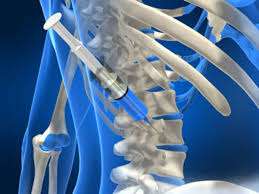
Pain management interventions aim at controlling chronic or acute discomfort through various modalities tailored specifically per patient needs. These approaches help improve quality of life significantly by targeting underlying issues effectively.
- Symptoms/causes: Chronic conditions like arthritis,fibromyalgia often prompt individuals seeking professional assistance with ongoing pains associated from these disorders .
- Diagnosis: Comprehensive evaluations consider previous treatments attempted alongside current symptomatology before devising an optimal plan moving forward with interventions available today .
- Treatment options: Options vary widely—from medication protocols including NSAIDs,corticosteroids,injections—to advanced techniques like neuromodulation depending on severity encountered within specific cases faced by those seeking care under this specialty area .
- Management:
MONITORED ANESTHESIA CARE (MAC)

This approach combines sedation with local anesthesia, making it suitable for various outpatient procedures requiring pain management without full unconsciousness. MAC allows clinicians flexibility based on individual case requirements.
- Symptoms/causes: Recommended when patients require conscious participation but still benefit from reduced anxiety or discomfort .
- Diagnosis: Patient evaluations consider overall health status , procedure complexity ,and pre-existing anxieties before recommending this option .
- Treatment options: Tailored medication dosages are administered either intravenously or orally , ensuring effective yet adjustable sedative effects during surgery .
- Management: Ongoing monitoring provides reassurance that both sedation and vitals stay within safe ranges throughout treatment period .
- Expectations: Returning home post-procedure typically occurs shortly after observation phase concludes since this method minimizes downtime significantly compared with general methods .
The MAC technique allows collaboration between patient desires and clinical goals while enhancing comfort across diverse procedural settings.
SEDATION TECHNIQUES

Sedation techniques involve administering medications that calm patients while keeping them responsive enough for certain medical procedures. It's particularly useful for minimally invasive interventions where full general anesthesia isn’t necessary.
- Symptoms/causes: Often employed in dental work or minor surgeries where anxiety may hinder cooperation .
- Diagnosis: Evaluating patient anxiety levels helps determine suitability for sedation .
- Treatment options: Different sedation levels from light (relaxed but awake) to deep (semi-conscious ) can be achieved through IV administration .
- Management: Monitoring ensures safety throughout the process, adapting sedation levels as necessary .
- Expectations: Post-procedure recovery usually sees patients returning home relatively quickly after brief observation period .
The purpose of sedation techniques is not only to ensure comfort but also facilitate procedural efficiency by minimizing distress.
REGIONAL ANESTHESIA

The application of regional anesthesia involves blocking nerve signals in specific areas of the body to provide targeted pain relief. It’s particularly effective for surgeries on limbs or during childbirth.
- Symptoms/causes: This technique is often recommended for orthopedic surgeries or when localized control over pain management is needed.
- Diagnosis: The decision for regional anesthesia depends on factors like health status and type of surgical intervention required.
- Treatment options: Techniques such as spinal blocks or peripheral nerve blocks can be employed based on surgical needs and patient preferences.
- Management: Continuous assessment throughout the procedure helps adapt anesthesia levels as needed for optimal results.
- Expectations: Patients remain awake but comfortable during the surgery, with less recovery time compared to general anesthesia methods.
This form of anesthesia enhances recovery experiences and allows for more precise management strategies tailored to individual needs.
GENERAL ANESTHESIA

General anesthesia is a medical procedure that renders patients unconscious and insensitive to pain during surgical interventions. It plays a vital role in facilitating major operations safely.
- Symptoms/causes: It is utilized in surgeries involving complex procedures, traumatic injuries, or any surgery expected to be painful.
- Diagnosis: Prior assessments include patient history and physical exams to determine if general anesthesia is appropriate.
- Treatment options: A combination of inhaled gases and intravenous drugs are used to induce unconsciousness quickly.
- Management: Throughout the surgery, anesthesiologists monitor vital signs closely, ensuring patient safety and comfort.
- Expectations: Post-surgery, patients may experience grogginess but typically recover quickly with proper aftercare support.
This method prioritizes patient comfort while allowing surgeons to perform necessary procedures efficiently.
EPIDURAL ANALGESIA

Epidural analgesia is a widely used method for managing pain, especially during labor and certain surgical procedures. This approach involves the injection of anesthetic agents into the epidural space surrounding the spinal cord.
- Symptoms/causes: It is primarily employed to alleviate severe pain during childbirth or surgeries.
- Diagnosis: The need for an epidural is typically evaluated based on pain levels and the type of procedure planned.
- Treatment options: An anesthesiologist will administer local anesthetics or opioids through a catheter placed in the epidural space, providing targeted pain relief.
- Management: During administration, continuous monitoring ensures effectiveness and patient safety.
- Expectations: Patients can expect significant pain reduction and increased comfort during their procedure without complete loss of sensation.
This technique is a safe option allowing patients to remain alert while effectively managing their pain experience.