
Dr Arun Singh Jad
About Me
Dr Arun Singh Jad
MBBS
General Physician
Biography
My Clinic
OPD Hours
| Monday | Morning | 10:00 AM | - | 02:00 PM |
| Evening | 06:00 PM | - | 09:00 PM | |
| Tuesday | Morning | 10:00 AM | - | 02:00 PM |
| Evening | 06:00 PM | - | 09:00 PM | |
| Wednesday | Morning | 10:00 AM | - | 02:00 PM |
| Evening | 06:00 PM | - | 09:00 PM | |
| Thursday | Morning | 10:00 AM | - | 02:00 PM |
| Evening | 06:00 PM | - | 09:00 PM | |
| Friday | Morning | 10:00 AM | - | 02:00 PM |
| Evening | 06:00 PM | - | 09:00 PM | |
| Saturday | Morning | 10:00 AM | - | 02:00 PM |
| Evening | 06:00 PM | - | 09:00 PM | |
| Sunday | Morning | 10:00 AM | - | 02:00 PM |
| Evening | 06:00 PM | - | 09:00 PM |
Treatments
Specialised care and treatments offered
COMMON COLD
The common cold is a viral infectious disease that primarily affects the upper respiratory tract. It spreads easily among individuals leading to widespread incidence particularly in colder months. Knowledge about its features helps patients manage expectations effectively during episodes
.- . < s trong > Symptoms: < / s tr ong > Characterized by sneezing, runny nose coughing congestion fatigue mild headache.< / l i >< l i >< s trong > Diagnosis: < / s tr ong > Generally established through clinical evaluation based on observed signs experienced contextually without extensive laboratory tests needed unless complications arise.< / l i >< l i >< s trong > Treatment: < / s tr ong > Management focuses on symptomatic alleviation utilizing rest hydration over-the-counter medications targeted towards symptom relief.< / l i >< l i >< s trong > Resolution Expectations: < / s tr ong > The typical duration lasts around seven to ten days although lingering coughs may persist longer extension requires reevaluation pursued separately.< / l i >
Proactive self-care methods enhance overall well-being mitigate impact during peak seasons.
ALLERGIC REACTIONS

An allergic reaction occurs when the immune system responds excessively to substances (allergens) that are typically harmless. Being aware of allergens helps in recognizing reactions promptly for effective treatment interventions.
- Symptoms: Reactions may range from mild hives to severe anaphylaxis characterized by difficulty breathing or swelling.
- Diagnosis: Assessment generally includes patient history along with allergy testing methods to identify triggers.
- Treatment: Avoidance of known allergens is essential; antihistamines provide relief for mild reactions while epinephrine auto-injectors are vital for life-threatening scenarios.
- Management: Continuous education regarding potential allergens supports better prevention strategies.
Acting swiftly on initial allergic symptoms ensures safety while minimizing emotional stress associated with such reactions.
GASTROENTERITIS

The inflammation of the stomach and intestines known as gastroenteritis leads to diarrhea, vomiting, abdominal cramps, and fever. It's often caused by viral infections but can also stem from bacteria or parasites. Prompt identification aids in effective management strategies.
- Symptoms: Key indicators include watery diarrhea, nausea/vomiting, stomach pain/cramps, and sometimes fever or headache.
- Diagnosis: Diagnosis mainly involves clinical evaluation; specific tests might be ordered based on severity or duration of symptoms.
- Treatment: Supportive care through hydration solutions is paramount; in severe cases hospitalization may be required for IV fluids administration.
Adequate hydration is critical during recovery. Education on proper food handling can help prevent future occurrences of gastroenteritis.
ACUTE RESPIRATORY INFECTIONS
Acute respiratory infections (ARIs) are common conditions caused by viral or bacterial pathogens affecting the respiratory tract. Understanding ARIs' nature helps in prompt diagnosis and appropriate treatment planning.
- Symptoms: Symptoms often include cough, sore throat, nasal congestion, fever, and difficulty breathing in severe cases.
- Diagnosis: A healthcare provider typically conducts a physical examination coupled with a review of medical history to identify underlying causes.
- Treatment: Most cases resolve with rest and symptomatic treatments; however, antibiotics may be prescribed if a bacterial infection is suspected.
- Caution: Recognizing signs of worsening conditions should prompt immediate medical attention to avoid complications like pneumonia.
Your proactive measures can help prevent ARIs through vaccinations and good hygiene practices. Seeking timely care enhances recovery rates significantly.
DIABETES MELLITUS
Diabetes mellitus refers to a group of diseases that impact how your body uses blood sugar (glucose). It can lead to serious complications if not managed properly. Awareness of its symptoms and treatment options is vital for maintaining health.
- Symptoms: Common symptoms include excessive thirst, frequent urination, fatigue, and blurred vision.
- Diagnosis: Diagnosis typically involves fasting blood sugar tests or glucose tolerance tests to measure how well your body manages glucose levels.
- Treatment: Treatment usually consists of lifestyle modifications along with medications or insulin therapy for regulation of blood sugar levels.
- Patient education: Ongoing education about diabetes management strategies enhances quality of life and reduces complications.
An active approach to managing diabetes can significantly improve overall health outcomes and reduce risks associated with the disease.
HYPERTENSION
Hypertension, or high blood pressure, is a common condition that occurs when the force of the blood against the artery walls is too high. This condition often has no symptoms, which is why it’s frequently called the "silent killer." Regular monitoring is crucial for early detection and management.
- Symptoms: Many individuals may not experience noticeable symptoms; however, some may report headaches, shortness of breath, or nosebleeds.
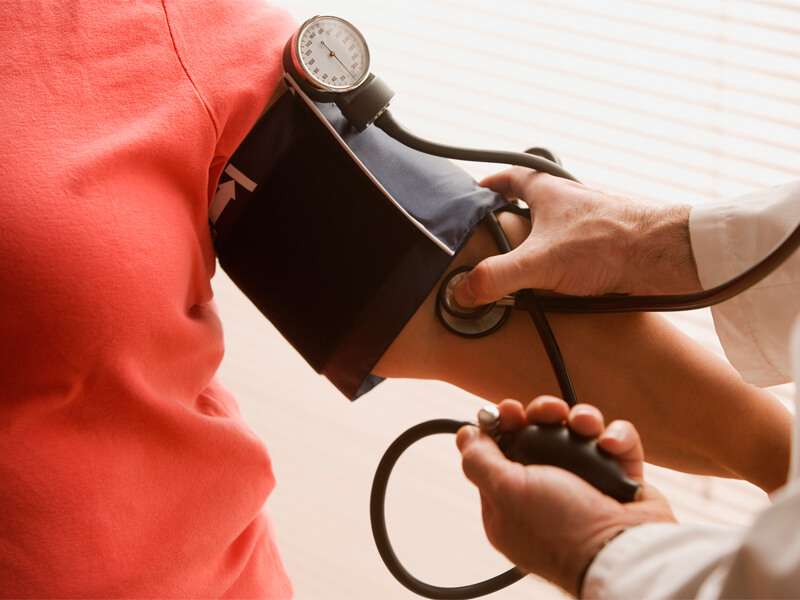
- Diagnosis: It involves measuring blood pressure using a sphygmomanometer during routine check-ups or at home monitoring.
- Treatment: Management may include lifestyle changes such as diet modification, increased physical activity, and medications like diuretics or ACE inhibitors.
- Expectations: With effective management, individuals can lead normal lives; however, consistent follow-up is essential to maintain control over blood pressure levels.
Understanding and managing hypertension can reduce the risk of serious health issues such as heart attack and stroke.