
Dr Arun Soni Md
About Me
Dr Arun Soni Md
MBBS
General Physician
Biography
My Clinic
OPD Hours
| Monday | Morning | 10:00 AM | - | 02:00 PM |
| Evening | 06:00 PM | - | 09:00 PM | |
| Tuesday | Morning | 10:00 AM | - | 02:00 PM |
| Evening | 06:00 PM | - | 09:00 PM | |
| Wednesday | Morning | 10:00 AM | - | 02:00 PM |
| Evening | 06:00 PM | - | 09:00 PM | |
| Thursday | Morning | 10:00 AM | - | 02:00 PM |
| Evening | 06:00 PM | - | 09:00 PM | |
| Friday | Morning | 10:00 AM | - | 02:00 PM |
| Evening | 06:00 PM | - | 09:00 PM | |
| Saturday | Morning | 10:00 AM | - | 02:00 PM |
| Evening | 06:00 PM | - | 09:00 PM | |
| Sunday | Morning | 10:00 AM | - | 02:00 PM |
| Evening | 06:00 PM | - | 09:00 PM |
Treatments
Specialised care and treatments offered
SEASONAL ALLERGIES
Seasonal allergies occur due to sensitivities toward environmental allergens such as pollen. These reactions can lead to uncomfortable symptoms during specific times of the year when allergen levels peak.
- Symptoms: Commonly reported symptoms include sneezing, runny nose, itchy eyes, and coughing.
- Causes: The main triggers are pollen from trees, grasses, and weeds that spread during changing seasons.
- Diagnosis: Allergists often perform skin tests or blood tests to pinpoint exact allergens responsible for causing reactions.
- Treatment Options: Treatments typically involve antihistamines for immediate relief along with avoiding known triggers where possible.
- What to Expect:If managed correctly using prescribed medicationsand avoidance strategies,many patients experience significant symptom relief during allergy seasons. able prot
ANEMIA

Anemia is a condition characterized by a deficiency in red blood cells or hemoglobin in the blood. This results in reduced oxygen transport throughout the body which can lead to fatigue among other symptoms!
.- .
- . Sugest:The most common symptomsinclude weakness,fatigue,pale skin,andshortnessof breathespecially upon exertion! .
- . Causative Factors:Anemiacan stemfromnutritionaldeficiencies,suchasironormicro-nutrientsor chronic diseaseslike kidneyfailure! .
- . Diagnosis:A simpleblood testmeasureshemoglobin levelsto confirmdiagnosisanddetermine theseverity,. .
- . Treatment Options:Treatmentmayinvolve dietarychanges,supplementationwithiron/vitaminsor addressingunderlyingmedical issuesif present! .
- . WhatToExpect:Ifmanagedwell mostindividuals seeimprovementinenergylevelswithin weeksalongwithregularmonitoring!.
GASTROESOPHAGEAL REFLUX DISEASE (GERD)

Gastroesophageal reflux disease (GERD) occurs when stomach acid frequently flows back into the esophagus. This backward flow can irritate the lining of the esophagus leading to discomfort and potential complications if untreated.
- Symptoms: Typical symptoms consist of heartburn, regurgitation of food or sour liquid, difficulty swallowing, and chest pain particularly after meals or at night.
- Causes : GERD can result from various factors including obesity, pregnancy,eating large mealsor lying down right after eating.
- Diagnosis : Doctors often use a combination of patient history evaluationand endoscopyfor diagnosis when necessary.
- Treatment : Management includes dietary changes,prescription medicationssuch as proton pump inhibitorsas well as surgeryin severe cases.
- What to expect : Most patients find significant relief within weeksby adhering strictlyto recommended lifestyle modificationsand treatment plans.
Prompt interventionfor GERD can leadtovast improvementsin qualityof lifeand reductionof long-term complicationsassociatedwith this condition.
RESPIRATORY INFECTIONS
Respiratory infections encompass a range of conditions affecting the airways and lungs. They can be caused by viruses or bacteria and vary in severity from mild colds to more serious infections like pneumonia.
- Symptoms: Symptoms may include cough, sore throat, nasal congestion, fever, and difficulty breathing in severe cases.
- Causes: These infections can arise from exposure to pathogens in crowded settings or through direct contact with infected individuals.
- Diagnosis: Diagnosis typically involves clinical evaluation and may require chest X-rays or sputum tests for confirmation in more serious cases.
- Treatment: Treatment depends on the causative agent; viral infections usually resolve on their own while bacterial infections may necessitate antibiotics.
- What to expect: Recovery times vary; however, follow-up care might be necessary if symptoms persist or worsen over time.
An early diagnosis combined with proper treatment can greatly improve recovery outcomes from respiratory infections. Awareness of preventive measures is also essential.
DIABETES MELLITUS

Diabetes mellitus is a metabolic disorder characterized by elevated blood glucose levels. This chronic disease requires ongoing management to prevent complications that can affect various body systems.
- Symptoms: Common symptoms include increased thirst, frequent urination, fatigue, and blurred vision.
- Causes: Factors contributing to diabetes include genetic predisposition, obesity, poor diet, and sedentary lifestyle.
- Diagnosis: Blood tests measuring glucose levels help in diagnosing diabetes; fasting glucose tests and HbA1c levels are commonly used.
- Treatment: Treatment efforts may include insulin therapy for type 1 diabetes or oral medications for type 2 diabetes alongside lifestyle interventions.
- What to expect: Continuous self-monitoring of blood sugar levels and regular consultations with healthcare professionals are imperative to maintain health.
A comprehensive approach involving diet control and physical activity can enhance the management of diabetes mellitus significantly.
HYPERTENSION
Hypertension, or high blood pressure, is a chronic condition that affects millions of people globally. It is often called a silent killer because many individuals exhibit no noticeable symptoms. Understanding hypertension is crucial for effective management and prevention.
- Symptoms: Many patients are asymptomatic, but some may experience headaches, shortness of breath, or nosebleeds.
- Causes: Risk factors include genetics, obesity, high salt intake, lack of physical activity, and stress.
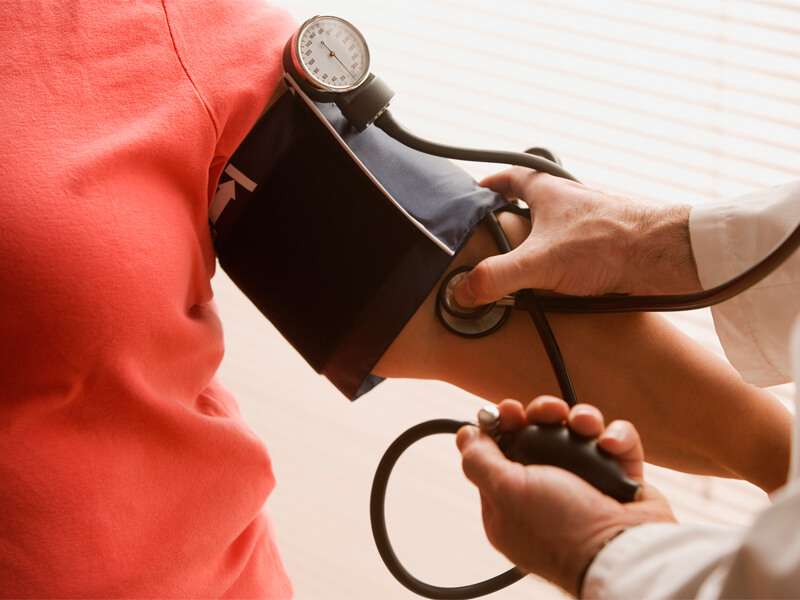
- Diagnosis: Typically diagnosed through regular blood pressure monitoring during routine check-ups.
- Treatment: Management options include lifestyle changes such as diet modification and exercise, along with medications like diuretics and ACE inhibitors.
- What to expect: Regular follow-up appointments and monitoring are essential for managing this lifelong condition effectively.
Managing hypertension can significantly lower the risk of serious health issues such as heart disease and stroke. Regular monitoring and open communication with healthcare providers are vital for successful outcomes.