
Dr Arvind Gupta
About Me
Dr Arvind Gupta
MD
Nephrologist
10 Years Experience
Biography
My Clinic
OPD Hours
| Monday | Morning | 10:00 AM | - | 02:00 PM |
| Evening | 06:00 PM | - | 09:00 PM | |
| Tuesday | Morning | 10:00 AM | - | 02:00 PM |
| Evening | 06:00 PM | - | 09:00 PM | |
| Wednesday | Morning | 10:00 AM | - | 02:00 PM |
| Evening | 06:00 PM | - | 09:00 PM | |
| Thursday | Morning | 10:00 AM | - | 02:00 PM |
| Evening | 06:00 PM | - | 09:00 PM | |
| Friday | Morning | 10:00 AM | - | 02:00 PM |
| Evening | 06:00 PM | - | 09:00 PM | |
| Saturday | Morning | 10:00 AM | - | 02:00 PM |
| Evening | 06:00 PM | - | 09:00 PM | |
| Sunday | Morning | 10:00 AM | - | 02:00 PM |
| Evening | 06:00 PM | - | 09:00 PM |
Treatments
Specialised care and treatments offered
HEMODIALYSIS EDUCATION
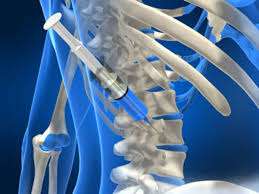
This procedure serves as an artificial replacement for lost kidney function due primarily when chronic kidney disease progresses severly
Understanding how hemodialysis works helps empower patients facing these challenges effectively along their journey
% p u lb hems enhances improving lives tremendously integral successes attained while going forth living manageable successful heights
POLYCYSTIC KIDNEY DISEASE

This genetic disorder leads to the formation of cysts within the kidneys. Understanding its implications is essential for managing symptoms effectively over time.
URINARY TRACT INFECTIONS

A Urinary Tract Infection (UTI) occurs when bacteria enter the urinary system causing inflammation. Prompt recognition is crucial for effective treatment and avoiding complications.
- Symptoms: Common indicators include painful urination (dysuria), frequent urges to urinate but passing little urine, as well as back pain or fever.
- Causes: UTIs typically arise from bacterial infections; women are particularly at risk due to anatomical differences that facilitate infection.
- Diagnosis: Testing usually involves urinalysis followed by urine culture which identifies specific pathogens responsible for the infection.
- Treatment: Antibiotics are prescribed based on culture results; increased hydration also aids recovery by flushing bacteria out.
- What to expect: Most patients experience symptom relief soon after starting antibiotics; however, it’s important to complete the full course of treatment.
With appropriate care plans in place, recurrent UTIs can often be prevented effectively through lifestyle adjustments.
HYPERTENSION MANAGEMENT

The regulation of blood pressure is vital for overall health. Hypertension increases the risk of cardiovascular diseases and impacts kidney function significantly if not managed properly.
- Symptoms: Often referred to as a silent killer; it usually has no symptoms until complications arise like headaches or shortness of breath.
- Causes: Factors include obesity, sedentary lifestyle, excessive salt intake, genetics, and stress levels among others.
- Diagnosis: Routine screenings involve measuring blood pressure readings over time to establish consistent patterns indicative of hypertension.
- Treatment: Management options encompass lifestyle changes such as diet modification (e.g., DASH diet), exercise routines, and pharmacological interventions when necessary.
- What to expect:
KIDNEY STONE MANAGEMENT

Kidney stones are hard mineral deposits that form in the kidneys and can cause severe pain. Understanding the formation and management options is essential for those prone to this condition.
- Symptoms: Classic symptoms include intense abdominal pain, hematuria (blood in urine), and frequent urination.
- Causes: Stones can develop due to dehydration, certain diets high in sodium or oxalates, or metabolic disorders that increase calcium levels.
- Diagnosis: Imaging tests like CT scans or ultrasounds confirm the presence of stones; urine tests may help identify underlying causes.
- Treatment: Small stones often pass naturally with increased fluid intake; larger stones may require procedures such as extracorporeal shock wave lithotripsy (ESWL).
- What to expect: Pain management during passage is crucial. Post-treatment follow-up ensures prevention strategies are in place to avoid future occurrences.
A tailored management plan can greatly enhance comfort during episodes and reduce recurrence risks.
CHRONIC KIDNEY DISEASE

Chronic Kidney Disease (CKD) is a gradual loss of kidney function that can lead to serious health issues. Early detection and management are crucial in preventing progression to end-stage renal disease.
- Symptoms: Early stages may be asymptomatic, but common signs include fatigue, swelling, and changes in urination.
- Causes: Diabetes and high blood pressure are the leading causes of CKD, while other factors can include genetic conditions, infections, and autoimmune diseases.
- Diagnosis: A thorough evaluation includes blood tests to measure kidney function, urine tests to check for abnormalities, and imaging studies like ultrasound.
- Treatment: Management focuses on controlling underlying conditions (e.g., diabetes), lifestyle modifications, dietary changes, and medications to protect kidney health.
- What to expect: Regular monitoring will be necessary. With appropriate management, many patients can maintain a good quality of life.
If diagnosed early and managed correctly, individuals with CKD can significantly improve their health outcomes.