
Dr Arvind Jaga -
About Me
Dr Arvind Jaga -
MBBS
Therapist
10 Years Experience
Biography
My Clinic
OPD Hours
| Monday | Morning | 10:00 AM | - | 02:00 PM |
| Evening | 06:00 PM | - | 09:00 PM | |
| Tuesday | Morning | 10:00 AM | - | 02:00 PM |
| Evening | 06:00 PM | - | 09:00 PM | |
| Wednesday | Morning | 10:00 AM | - | 02:00 PM |
| Evening | 06:00 PM | - | 09:00 PM | |
| Thursday | Morning | 10:00 AM | - | 02:00 PM |
| Evening | 06:00 PM | - | 09:00 PM | |
| Friday | Morning | 10:00 AM | - | 02:00 PM |
| Evening | 06:00 PM | - | 09:00 PM | |
| Saturday | Morning | 10:00 AM | - | 02:00 PM |
| Evening | 06:00 PM | - | 09:00 PM | |
| Sunday | Morning | 10:00 AM | - | 02:00 PM |
| Evening | 06:00 PM | - | 09:00 PM |
Treatments
Specialised care and treatments offered
MINDFULNESS-BASED STRESS REDUCTION (MBSR)
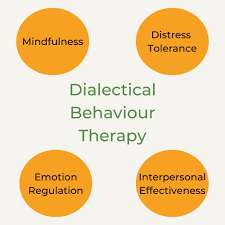
MBSR is a structured program designed to cultivate mindfulness — the practice of purposeful awareness in the present moment — which can reduce stress and improve overall wellbeing.
- Relevant symptoms : Effective in managing chronic pain , anxiety disorders , depression relapse prevention , sleep issues , and stress-related conditions .
- Assessment protocols : Initial evaluation identifies suitability based on mental health status and patient goals .
- Program structure : Typically an 8-week course featuring guided meditation practices , gentle yoga exercises , group discussions , and home assignments .
- Participant benefits : Participants often report enhanced emotional regulation , decreased symptom severity , improved focus , and better quality of life post-program completion .
The approach empowers individuals with practical tools for coping with life's pressures by fostering mindful living habits daily.
TRAUMA-FOCUSED COGNITIVE BEHAVIORAL THERAPY (TF-CBT)
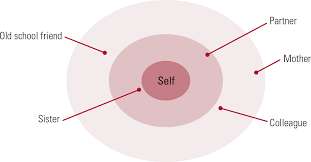
An adaptation of cognitive behavioral therapy specifically tailored for individuals—often children or adolescents—processing traumatic events effectively within a safe therapeutic environment.
- Symptoms/causes : Designed for trauma survivors experiencing PTSD symptoms such as flashbacks , nightmares , or avoidance behaviors .
- Diagnostic criteria : Careful clinical assessment including trauma history informs the treatment plan .
- Therapeutic process : Integrates cognitive restructuring with gradual exposure therapy combined with parental involvement when applicable .
- Expected journey : Structured phase approach over several weeks that builds coping skills progressively while reducing trauma-related distress .
This modality helps patients safely confront trauma impacts leading to emotional healing and restored functioning .
ACCEPTANCE AND COMMITMENT THERAPY (ACT)
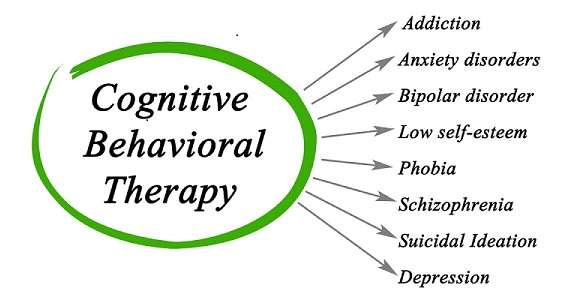
This form of therapy encourages patients to accept life’s challenges while committing to behavior changes aligned with their values. It emphasizes psychological flexibility as a key outcome.
- Target conditions : Useful for chronic pain management , anxiety disorders , depression , and stress-related issues .
- Diagnosis : Focuses on evaluating areas where avoidance or inflexible thinking restricts patient wellbeing .
- Treatment elements : Exercises include mindfulness training , acceptance strategies , values clarification , and committed action planning .
- Outcomes : Patients gain improved resilience , reduced experiential avoidance , and enhanced quality of life through sustained practice .
By embracing difficult emotions rather than avoiding them , ACT fosters meaningful behavioral changes based on personal values .
EYE MOVEMENT DESENSITIZATION AND REPROCESSING (EMDR)
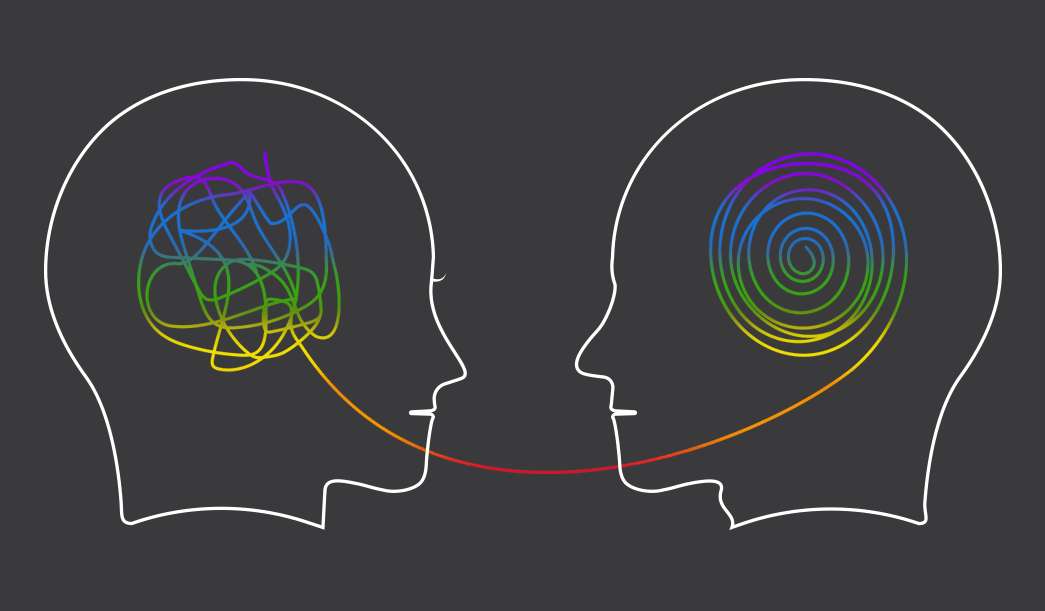
A specialized psychotherapy technique designed to alleviate distress associated with traumatic memories or adverse life experiences.
- Indications: Primarily used for post-traumatic stress disorder (PTSD), but also helpful in anxiety and panic disorders.
- Diagnostic evaluation: Patients undergo detailed trauma history assessment before starting EMDR sessions.
- Treatment mechanism: Uses guided eye movements or other bilateral stimulation while recalling traumatic events to reduce their emotional impact.
- Treatment course: Varies per individual; typically involves multiple sessions until symptoms significantly diminish.
This technique helps reprocess disturbing memories so they exert less psychological influence on daily functioning.
DIALECTICAL BEHAVIOR THERAPY (DBT)
This therapy is designed to help individuals who experience intense emotions that are difficult to regulate. It combines cognitive-behavioral techniques with mindfulness strategies.
- Main uses: Especially effective for borderline personality disorder, mood disorders, and self-harming behaviors.
- Assessment process: Comprehensive evaluation of emotional regulation difficulties guides personalized treatment plans.
- Therapy components: Includes individual therapy, group skills training, phone coaching, and therapist consultation team support.
- Expected outcomes: Improvement in emotional control, interpersonal effectiveness, distress tolerance, and mindfulness over months of consistent practice.
This holistic approach aims to balance acceptance with change for sustainable emotional health improvements.
COGNITIVE BEHAVIORAL THERAPY (CBT)
Cognitive Behavioral Therapy is a widely used, evidence-based psychological treatment aimed at addressing dysfunctional emotions, behaviors, and thoughts.
- Symptoms and causes: Often prescribed for anxiety, depression, phobias, and stress management issues.
- Diagnosis: Typically initiated after a therapist assesses the patient's mental health through interviews and standardized questionnaires.
- Treatment approach: Involves structured sessions focusing on identifying negative thought patterns and replacing them with healthier alternatives.
- Duration and expectations: Usually consists of 6 to 20 weekly sessions; patients learn coping skills applicable beyond therapy.
- Benefits: Empowers patients to manage symptoms effectively and prevent relapse through practical strategies.
The therapy fosters self-awareness and lasting change by promoting positive thought restructuring in daily life.