
Dr Arvind Sharma-
About Me
Dr Arvind Sharma-
MD
Nephrologist
10 Years Experience
Biography
My Clinic
OPD Hours
| Monday | Morning | 10:00 AM | - | 02:00 PM |
| Evening | 06:00 PM | - | 09:00 PM | |
| Tuesday | Morning | 10:00 AM | - | 02:00 PM |
| Evening | 06:00 PM | - | 09:00 PM | |
| Wednesday | Morning | 10:00 AM | - | 02:00 PM |
| Evening | 06:00 PM | - | 09:00 PM | |
| Thursday | Morning | 10:00 AM | - | 02:00 PM |
| Evening | 06:00 PM | - | 09:00 PM | |
| Friday | Morning | 10:00 AM | - | 02:00 PM |
| Evening | 06:00 PM | - | 09:00 PM | |
| Saturday | Morning | 10:00 AM | - | 02:00 PM |
| Evening | 06:00 PM | - | 09:00 PM | |
| Sunday | Morning | 10:00 AM | - | 02:00 PM |
| Evening | 06:00 PM | - | 09:00 PM |
Treatments
Specialised care and treatments offered
POLYCYSTIC KIDNEY DISEASE (PKD)
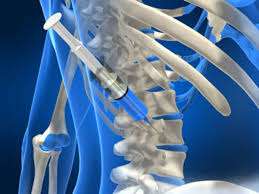
This genetic disorder causes numerous cysts to form within the kidneys leading eventually towards renal dysfunction. Awareness about this disease aids early detection which plays a significant role in managing its progression effectively...
- Symptoms could start presenting as early as childhood; abdominal discomfort along with frequent urination tends indicating possible renal engagement...
- Diagnostic criteria involve imaging studies like ultrasounds combined with family history assessments proving crucial identifying potential cases among relatives ...
- While no definitive cure exists currently treatments aim manage complications - analgesics might relieve pain while dietary adjustments play roles weight control maintaining renal functionality....
- Regular check-ups help track changing conditions ensuring timely interventions if needed ....
Emphasis placed ongoing support systems through coordinated care aids coping mechanisms thriving despite challenges posed by PKD...
KIDNEY STONES

Kidney stones are hard deposits formed from minerals in your urine. They can cause severe pain when passing but understanding how they form helps prevent them. Knowledge about prevention strategies is essential for those prone to recurrences.
- Painful symptoms may include sharp pain in the back or side, hematuria (blood in urine), or gastrointestinal disturbances such as nausea and vomiting when stones pass through?.
- Diagnosis typically involves imaging techniques like ultrasound or CT scans alongside urine analysis
- Prevention emphasizes lifestyle changes: adequate hydration combined with dietary modifications reducing salt intake—especially animal proteins—can help reduce stone formation risks
- If stones do form despite preventive measures 'medication may be prescribed.' Regular follow-ups assist in monitoring condition over time
Being proactive regarding nutrition maintains optimal urinary conditions preventing new stone formation over time
ACUTE KIDNEY INJURY (AKI)

Acute Kidney Injury refers to a sudden reduction in kidney function that may occur due to various factors including dehydration or medications. Quick identification is vital for effective recovery and minimizing any long-term impacts on renal health.
- Signs might include decreased urine output or swelling due to fluid retention; however, symptoms may vary widely based on cause and severity.
- A diagnosis can be made via blood tests showing elevated creatinine levels alongside urine tests assessing output changes.
- Treatment primarily revolves around addressing the underlying cause such as rehydration or discontinuing nephrotoxic medications while ensuring close renal monitoring during recovery phases.
- Nutritional interventions are also vital during recovery periods focusing on proper hydration and adequate protein intake without overloads on the kidneys.
Aggressive management during AKI enhances recovery chances while preserving future kidney function effectively.
DIABETIC NEPHROPATHY

This condition arises from diabetes-induced damage to the kidneys. It is a serious complication that requires prompt attention. Early recognition and management are critical for preserving kidney health in diabetic patients.
- The initial signs may include increased protein in urine, which often goes unnoticed until more advanced stages occur.
- Diagnosis usually includes urine tests along with assessments of blood sugar control over time.
- The primary focus of treatment includes strict glycemic control along with dietary adjustments like reduced carbohydrates and sodium intake.
- Caring for your kidneys involves regular monitoring and possible medications to protect kidney function further.
- A holistic approach that combines diet, exercise, and medical therapy offers the best prognosis for patients at risk.
Taking proactive measures against diabetic nephropathy can significantly enhance quality of life for individuals living with diabetes.
HYPERTENSION MANAGEMENT

Hypertension or high blood pressure is often linked to kidney health. Proper management is essential in preventing kidney damage. Knowledge about how hypertension affects the kidneys can empower individuals to take control of their health.
- This condition often presents no symptoms but can lead to serious issues like heart disease and stroke.
- Diagnosis typically involves measuring blood pressure readings consistently over time.
- Treatment might include lifestyle changes such as reducing sodium intake, regular exercise, and possibly medications if necessary.
- Monitoring blood pressure at home can provide insights into management effectiveness.
- A team approach involving healthcare professionals ensures the best outcomes.
Effective management of hypertension promotes overall well-being and protects kidney function in the long run.
CHRONIC KIDNEY DISEASE (CKD)

Chronic Kidney Disease is a progressive loss of kidney function over time. It can lead to various health complications if not managed properly. Understanding the stages, symptoms, and treatment options is crucial for anyone diagnosed with CKD.
- Symptoms may include fatigue, swelling in hands and feet, changes in urination, or high blood pressure.
- The diagnosis is typically made through blood tests measuring creatinine levels and urine tests checking for protein.
- Treatment focuses on controlling risk factors such as blood pressure and diabetes, often involving dietary changes.
- Regular follow-ups are essential to monitor kidney function and modify treatment plans accordingly.
- A healthy lifestyle can significantly slow the progression of CKD, making patient education vital.
Managing CKD involves a comprehensive approach that includes medication adherence and lifestyle modifications to improve quality of life.