
Dr Arvind Vyas
About Me
Dr Arvind Vyas
MD
Nephrologist
10 Years Experience
Biography
My Clinic
OPD Hours
| Monday | Morning | 10:00 AM | - | 02:00 PM |
| Evening | 06:00 PM | - | 09:00 PM | |
| Tuesday | Morning | 10:00 AM | - | 02:00 PM |
| Evening | 06:00 PM | - | 09:00 PM | |
| Wednesday | Morning | 10:00 AM | - | 02:00 PM |
| Evening | 06:00 PM | - | 09:00 PM | |
| Thursday | Morning | 10:00 AM | - | 02:00 PM |
| Evening | 06:00 PM | - | 09:00 PM | |
| Friday | Morning | 10:00 AM | - | 02:00 PM |
| Evening | 06:00 PM | - | 09:00 PM | |
| Saturday | Morning | 10:00 AM | - | 02:00 PM |
| Evening | 06:00 PM | - | 09:00 PM | |
| Sunday | Morning | 10:00 AM | - | 02:00 PM |
| Evening | 06:00 PM | - | 09:00 PM |
Treatments
Specialised care and treatments offered
ANEMIA RELATED TO CHRONIC KIDNEY DISEASE
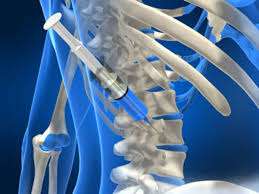
Anemia is a common complication associated with chronic kidney disease (CKD), significantly impacting patient quality of life by causing fatigue and weakness. Understanding its connection with CKD is essential for effective management!
- Symptoms often include tiredness; shortness of breath during exertion; pale skin; drowsiness;
- Diagnosis typically involves complete blood counts (CBC) alongside iron studies examining hemoglobin levels closely;
- Treatment approaches could incorporate iron supplementation paired with erythropoiesis-stimulating agents designed specifically targeting anemia linked directly back towards kidney problems;
- Lifestyle interventions promoting adequate nutrition are equally important tailored according individual patient needs aimed at improving overall health outcomes;
Regular follow-ups play an integral role ensuring treatments remain effective long-term combating potential anemia issues related chronic renal impairments proactively!
POLYCYSTIC KIDNEY DISEASE

This genetic disorder leads to numerous cysts developing in both kidneys. Managing Polycystic Kidney Disease (PKD) is crucial as it can cause kidney dysfunction over time without appropriate care.
- The primary symptoms might include abdominal pain, frequent urination, urinary tract infections, and hypertension due to cyst growth affecting surrounding tissues:
- An accurate diagnosis relies on imaging studies such as ultrasounds or CT scans revealing cyst presence in kidneys..
Patients need counseling regarding lifestyle changes including maintaining a healthy weight which can aid long-lasting quality of life improvements ..
GLOMERULONEPHRITIS

This condition refers to inflammation of the glomeruli—tiny filters in the kidneys responsible for removing waste products from the blood. Early intervention is key for better outcomes in managing this disease.
- Symptoms may include dark-colored urine, swollen legs, high blood pressure, and decreased urine output.
- Diagnosis often requires urinalysis alongside blood tests to assess kidney function markers like creatinine levels.
- Treatment typically depends on underlying causes but may involve corticosteroids or immunosuppressive drugs if autoimmune-related.
- A balanced diet low in protein might be advised along with careful monitoring of fluid intake based on individual conditions
Timely recognition of glomerulonephritis allows for targeted treatments that preserve kidney function longer-term.
KIDNEY STONES

Kidney stones are hard deposits formed in the kidneys from minerals and salts. They can cause severe pain when passing through the urinary tract but there are several management strategies available.
- The main symptoms include intense pain in the back or side, nausea, vomiting, and hematuria (blood in urine).
- Diagnosis typically involves imaging tests like ultrasound or CT scans to identify stone size and location.
- Treatment options range from increased fluid intake for small stones to medications for pain relief; larger stones may require procedures like lithotripsy.
- A dietary assessment is often recommended to prevent recurrence by avoiding foods that promote stone formation.
- Patients should stay hydrated as drinking plenty of water helps flush out toxins and prevent new stones from forming.
A proactive approach can help manage existing stones while preventing future occurrences effectively.
HYPERTENSION MANAGEMENT

Hypertension, or high blood pressure, is a common condition that can lead to serious health issues if left untreated. Regular monitoring is crucial for effective management and prevention of complications.
- Symptoms might be absent initially but can include headaches or dizziness when severely elevated.
- A diagnosis often includes measuring blood pressure readings on multiple occasions to confirm persistent hypertension.
- Treatment may involve medication to lower blood pressure along with lifestyle changes such as a balanced diet low in sodium and regular exercise.
- Patients should also manage stress effectively as it can contribute to high blood pressure.
- Ongoing monitoring is vital to ensure that the treatment remains effective and adjustments are made as necessary.
Taking control of hypertension leads to improved health outcomes and reduces the risk of cardiovascular issues.
CHRONIC KIDNEY DISEASE

Chronic Kidney Disease (CKD) is a progressive loss of kidney function over time. Often developing silently, CKD can significantly impact overall health if not managed effectively.
- The key symptoms may include fatigue, swelling in the ankles or feet, and changes in urine output.
- Diagnosis typically involves blood tests measuring creatinine levels and estimating glomerular filtration rate (GFR).
- Management options may consist of lifestyle modifications such as diet changes, controlling blood pressure, and possibly medications to slow progression.
- In advanced cases, patients might require dialysis or a kidney transplant.
- Regular follow-ups are essential to monitor kidney function and adjust treatment plans as necessary.
Early detection and proactive management can lead to better outcomes for individuals with CKD.