
Dr Arya Homeopath
About Me
Dr Arya Homeopath
MBBS
General Physician
Biography
My Clinic
OPD Hours
| Monday | Morning | 10:00 AM | - | 02:00 PM |
| Evening | 06:00 PM | - | 09:00 PM | |
| Tuesday | Morning | 10:00 AM | - | 02:00 PM |
| Evening | 06:00 PM | - | 09:00 PM | |
| Wednesday | Morning | 10:00 AM | - | 02:00 PM |
| Evening | 06:00 PM | - | 09:00 PM | |
| Thursday | Morning | 10:00 AM | - | 02:00 PM |
| Evening | 06:00 PM | - | 09:00 PM | |
| Friday | Morning | 10:00 AM | - | 02:00 PM |
| Evening | 06:00 PM | - | 09:00 PM | |
| Saturday | Morning | 10:00 AM | - | 02:00 PM |
| Evening | 06:00 PM | - | 09:00 PM | |
| Sunday | Morning | 10:00 AM | - | 02:00 PM |
| Evening | 06:00 PM | - | 09:00 PM |
Treatments
Specialised care and treatments offered
PREVENTIVE HEALTH SCREENINGS
The importance of preventive health screenings cannot be overstated; these assessments help catch potential health issues before they become serious problems. Regular screenings are vital components of proactive healthcare practices for all age groups.
- Symptoms / Conditions Assessed On Regular Basis: Prostate cancer screening via PSA tests since age 50 for males ; Breast mammography screening around ages 40-50 years females alike preceding having any noticeable symptoms . < l i >< str ong > Causes / Risk Factors : < / s t rong > Family histories pertaining specific illnesses play notable roles determining necessity personalizing frequency testing requirements further clarifying specially tailored guidelines each demographic group accordingly addressing preventive measures individually adapting recommendations per case basis gradually leading sustainable behavioral changes holistically towards better living standards improving effectiveness prevention efforts set forth being taken seriously at leisure appointments made thereof whilst cognitive insight reflects positively towards future outlook lives lived fully well beyond mere existing circumstances faced presently day—after-day ongoing reassessment applied here ceaselessly till eventually determining outcomes reached derived therein observable positives reflected latter half journeys embarked upon consequently benefiting society greater good overall playing important societal roles engaged nurturing self-care principles instilled earlier thereby reinforcing values lives traversed cc ---->/< ul />
THYROID DISORDERS TREATMENT

Your thyroid gland plays a crucial role in your body's metabolism by producing hormones that regulate various processes. Disorders related to thyroid function can disrupt this balance significantly.
- Symptoms : Common indications of thyroid disorders include fatigue , weight fluctuations , mood shifts , hair thinning , or temperature intolerance .
- Causes : Thyroid issues may arise from autoimmune conditions such as Hashimoto's thyroiditis , iodine deficiency , radiation exposure , or surgery involving the thyroid gland .
- Diagnosis : Evaluation typically entails blood tests measuring hormone levels alongside assessments checking TSH (thyroid stimulating hormone ) production .
- Treatment options : Depending on whether an individual has hypothyroidism (underactive) or hyperthyroidism (overactive), treatment may involve hormonal replacement therapy for deficiencies store avoidance approaches including medications aimed at reducing hormone production .
- What to expect : With suitable intervention , people can anticipate positive changes in their energy level alongside overall well being improvement over time .
Catching any imbalance early enhances quality life significantly through targeted approaches taken within therapeutic guidance provided by practitioners specialized in endocrinology aspects .
GASTROESOPHAGEAL REFLUX DISEASE (GERD) MANAGEMENT
Gastroesophageal reflux disease (GERD) occurs when stomach acid frequently flows back into the esophagus. This chronic condition can lead to significant discomfort but is manageable with appropriate care.
- Symptoms: Typical symptoms include heartburn that worsens after meals or when lying down, regurgitation of food or sour liquid, chest pain, and difficulty swallowing.
- Causes: Factors contributing to GERD are obesity, pregnancy, smoking habits, certain dietary choices (like spicy foods), and hiatal hernia presence.
- Diagnosis: Diagnosis typically involves a review of medical history along with potential endoscopic evaluations when warranted based on symptom severity.
- Treatment options : Lifestyle changes such as weight loss alongside medications like proton pump inhibitors (PPIs) are common methods for alleviating symptoms. Surgery might be considered in severe cases where other treatments fail.
- What to expect : The goal is relief from symptoms while reducing potential complications associated with the disease long term.
A proactive approach toward managing GERD leads individuals toward improved overall digestive health.
RESPIRATORY DISORDERS TREATMENT
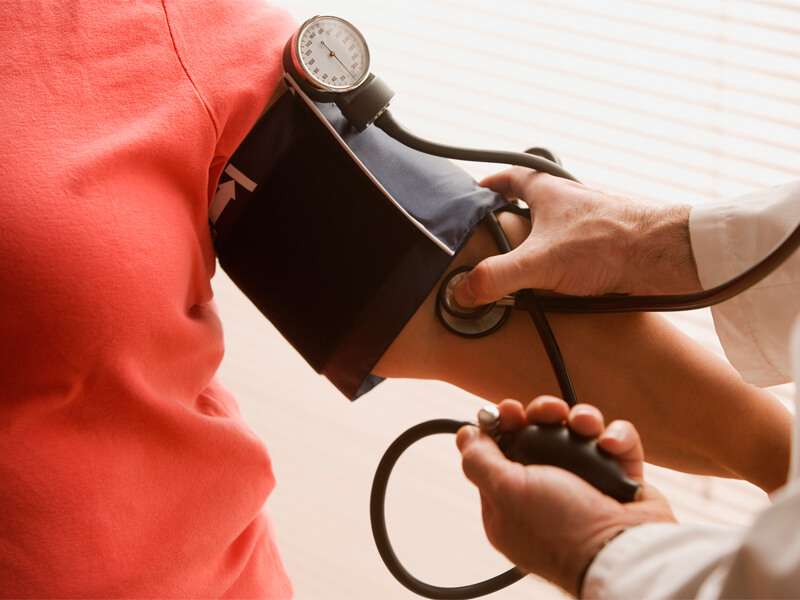
Respiratory disorders encompass conditions affecting the lungs and airways. Such issues require prompt attention as they can have significant impacts on daily life activities.
- Symptoms: Individuals may experience persistent coughs, wheezing, shortness of breath, or chest tightness.
- Causes: Common causes include allergies, infections like pneumonia or bronchitis, and chronic diseases such as asthma or COPD (Chronic Obstructive Pulmonary Disease).
- Diagnosis: Diagnosis usually involves a physical exam followed by lung function tests (spirometry) and imaging studies like X-rays or CT scans if necessary.
- Treatment options: Treatments vary widely depending on the type of disorder but may include inhalers (bronchodilators), corticosteroids for inflammation reduction, or antibiotics for infections.
- What to expect: With appropriate intervention and management strategies tailored to individual needs, many patients find substantial relief from symptoms over time.
A thorough understanding of respiratory health supports better outcomes in treatment plans tailored by healthcare professionals.
DIABETES MELLITUS MANAGEMENT

Diabetes mellitus is a metabolic disorder characterized by high levels of sugar in the blood due to insulin deficiency or impaired insulin utilization. Understanding the disorder is key to managing it effectively.
- Symptoms: Common signs include excessive thirst, frequent urination, fatigue, and blurred vision.
- Causes: Factors can range from genetic predisposition to lifestyle choices such as diet and physical inactivity.
- Diagnosis: Diabetes is diagnosed through blood tests that measure glucose levels; fasting blood glucose or HbA1c tests are frequently used.
- Treatment options: Management includes dietary adjustments, consistent exercise, monitoring blood sugar levels, and medication like insulin therapy when necessary.
- What to expect: Patients can lead a normal life with careful monitoring and adherence to treatment protocols aimed at keeping glucose levels stable.
Effective management of diabetes involves a collaborative approach with healthcare providers for optimal results.
HYPERTENSION MANAGEMENT
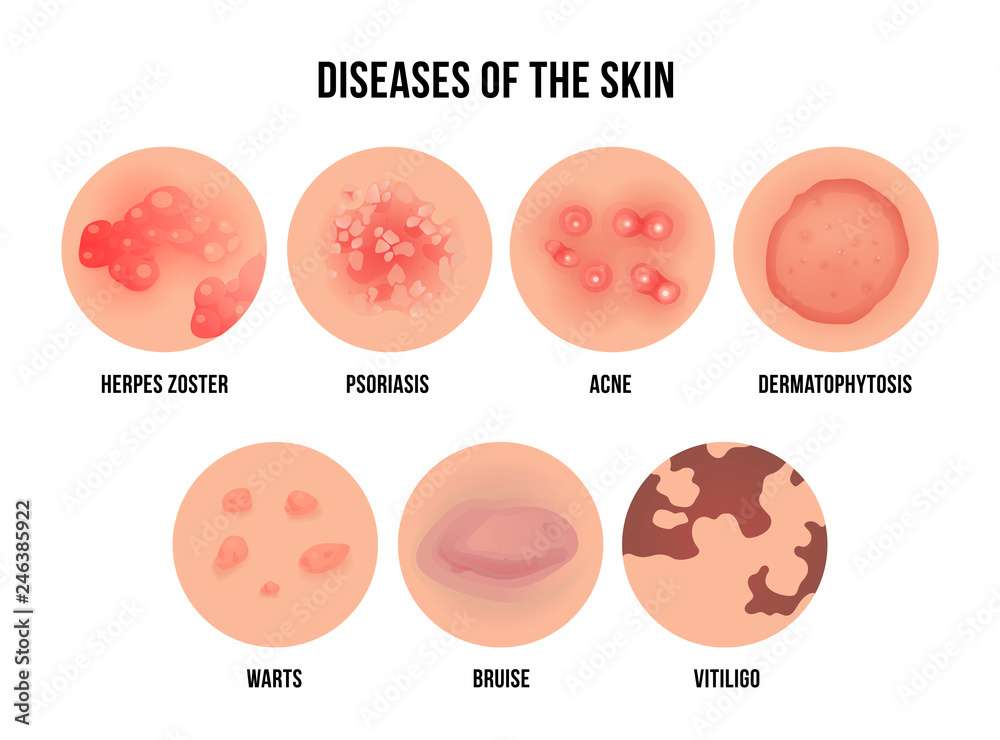
Hypertension, or high blood pressure, is a prevalent condition that can lead to serious health issues if left untreated. It often develops silently and may not present noticeable symptoms, making regular monitoring essential.
- Symptoms: Many individuals experience no symptoms, but some may report headaches, shortness of breath, or nosebleeds.
- Causes: Factors contributing to hypertension include obesity, lack of physical activity, poor diet, and genetics.
- Diagnosis: Blood pressure readings taken at routine check-ups are typically how the condition is identified. A doctor may also evaluate cardiovascular health through various assessments.
- Treatment options: Management strategies often involve lifestyle modifications such as diet and exercise along with medications when necessary.
- What to expect: With proper management, individuals can reduce their blood pressure levels significantly and lower the risk of heart disease.
Maintaining healthy blood pressure is crucial for overall well-being and requires ongoing attention to both lifestyle choices and medical care.