
Dr Ashish Joshi
About Me
Dr Ashish Joshi
Internal Medicine
Biography
My Clinic
OPD Hours
| Tuesday | Morning | 10:00 AM | - | 02:00 PM |
| Evening | 06:00 PM | - | 09:00 PM | |
| Wednesday | Morning | 10:00 AM | - | 02:00 PM |
| Evening | 06:00 PM | - | 09:00 PM | |
| Thursday | Morning | 10:00 AM | - | 02:00 PM |
| Evening | 06:00 PM | - | 09:00 PM | |
| Friday | Morning | 10:00 AM | - | 02:00 PM |
| Evening | 06:00 PM | - | 09:00 PM | |
| Saturday | Morning | 10:00 AM | - | 02:00 PM |
| Evening | 06:00 PM | - | 09:00 PM | |
| Sunday | Morning | 10:00 AM | - | 02:00 PM |
| Evening | 06:00 PM | - | 09:00 PM | |
| Thursday | Morning | 10:00 AM | - | 02:00 PM |
| Evening | 06:00 PM | - | 09:00 PM |
Treatments
Specialised care and treatments offered
CHRONIC OBSTRUCTIVE PULMONARY DISEASE (COPD)
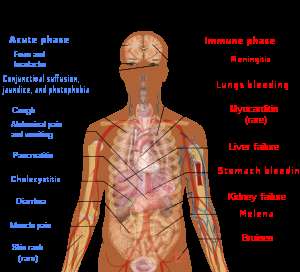
COPD encompasses a group of progressive lung diseases that obstruct airflow causing breathing difficulties. It primarily results from long-term exposure to irritants such as tobacco smoke or environmental pollutants over time
- Symptoms include chronic cough producing sputum along with wheezing episodes; some individuals also experience shortness of breath during exertion.
- A comprehensive assessment involving pulmonary function tests helps diagnose COPD effectively by measuring airflow limitation severity.
- Management typically incorporates quitting smoking entirely plus bronchodilator therapies—these medicines help open airways improving lung function markedly thereby relieving dyspnea episodes.
- Patients often benefit greatly from engaging in pulmonary rehabilitation programs combining education support social reintegration aspects into their daily routines enhancing overall quality-of-life perspectives beyond mere survival-grade measures too!
With consistent adherence prescribed interventions consistent engagement coping strategies cultivate resilience within intricate landscape offered by chronic conditions like COPD over time facilitating better health journeys ahead together collectively towards wellness goals shared amongst us all together today!
ACUTE KIDNEY INJURY
Acute Kidney Injury (AKI) is characterized by a sudden decrease in kidney function which can happen due to various factors including dehydration or particular medications. Early recognition is vital in preventing long-term damage.
- The typical signs may involve reduced urine output alongside swelling due to fluid retention; however some patients might be asymptomatic initially.
- Diagnosis usually entails assessing serum creatinine levels along with urine tests which help establish kidney functionality status quickly.
- Treatment focuses on addressing underlying causes—rehydration therapy might be necessary for dehydration while avoiding nephrotoxic agents is crucial. Hospitalization may be required depending on severity .
- Regular follow-ups ensure recovery progress monitoring through lab evaluations over time.
Timely intervention plays a pivotal role in preventing irreversible damage leading towards improved patient outcomes following AKI incidents.
CONGESTIVE HEART FAILURE
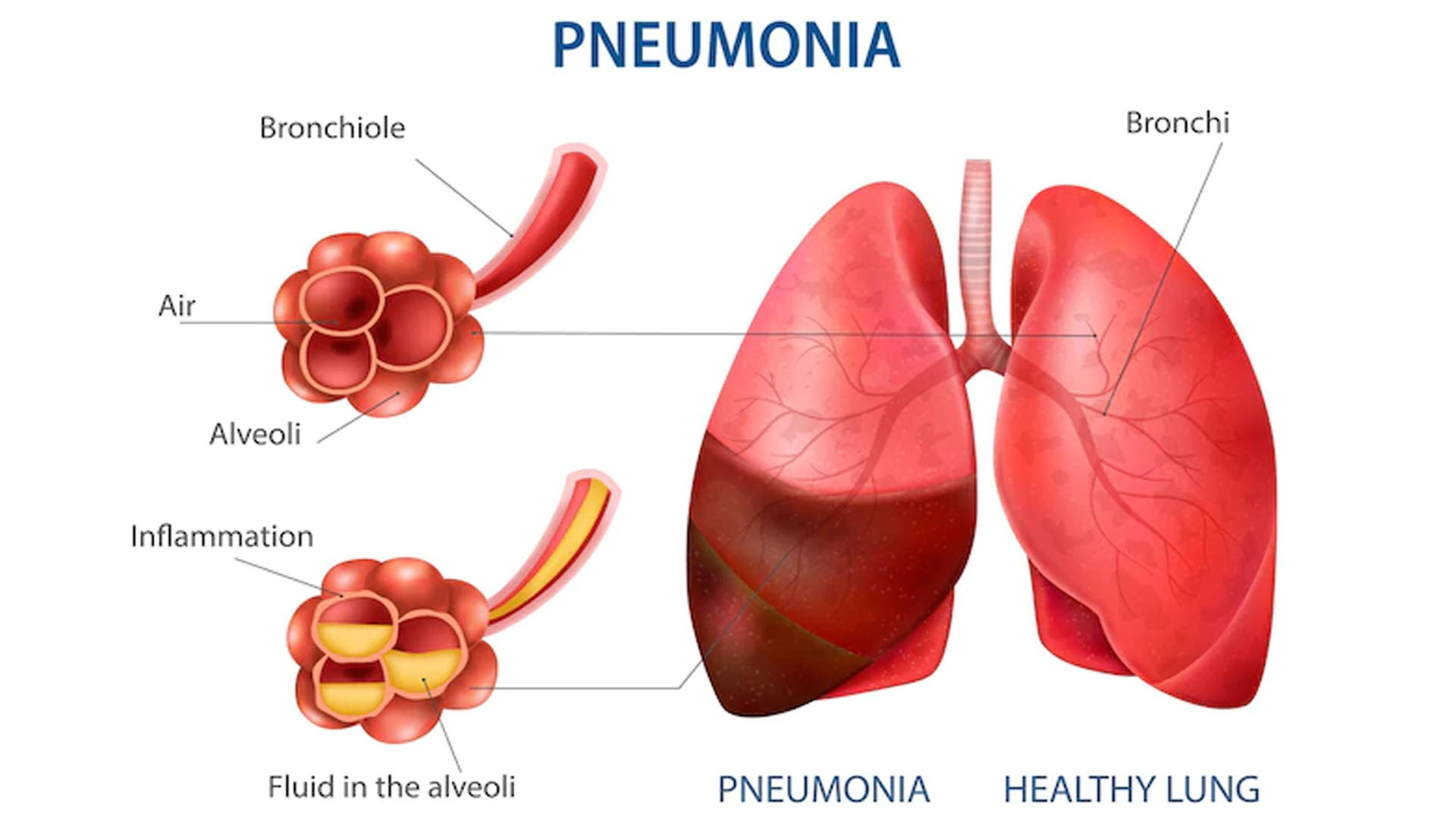
Congestive Heart Failure (CHF) occurs when the heart cannot pump sufficient blood to meet the body's needs. This serious condition requires careful management and adherence to treatment plans for optimal outcomes.
- Common symptoms encompass breathlessness during activities or at rest, swelling in legs/ankles due to fluid retention, fatigue, and rapid heartbeat.
- A thorough evaluation using echocardiograms or other imaging techniques aids in confirming CHF diagnosis along with clinical assessment of symptoms.
- Treatment generally includes lifestyle changes like sodium restriction along with medications such as diuretics or beta-blockers aimed at improving heart function and alleviating symptoms.
Elderly patients or those with other comorbidities should be closely monitored given the complexities associated with heart failure management. With proper care protocols in place, many individuals lead productive lives despite this diagnosis.
PNEUMONIA
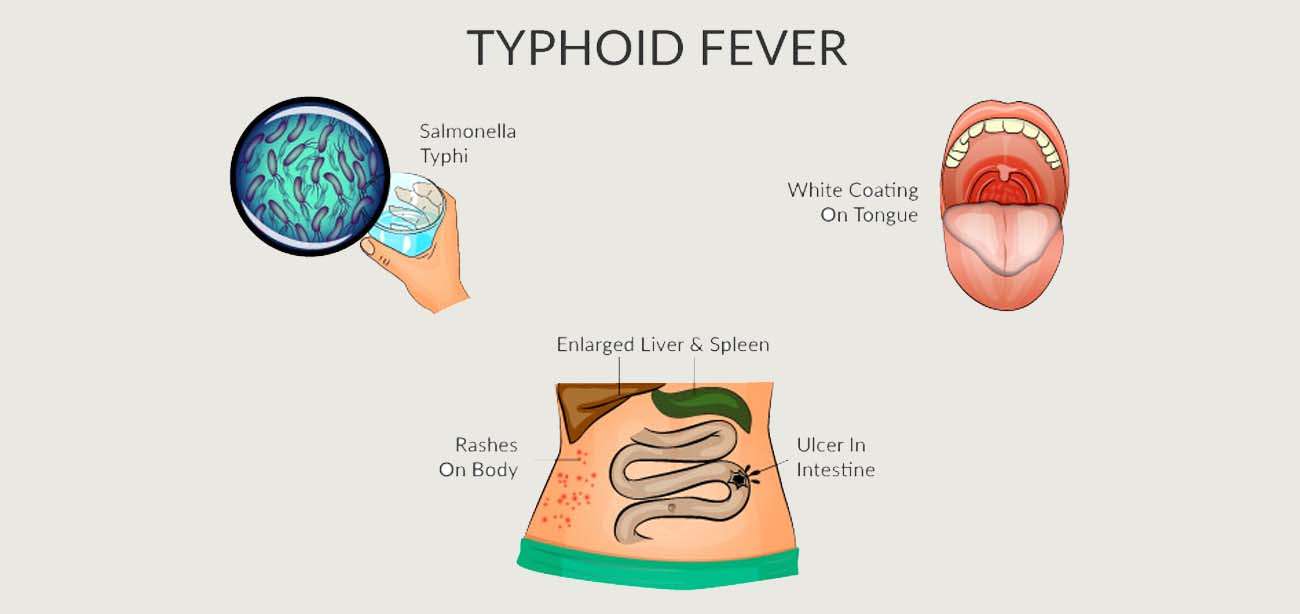
Pneumonia is an infection that inflames the air sacs in one or both lungs. It can be caused by various microorganisms such as bacteria or viruses and may require medical attention promptly.
- Symptoms generally include cough (which may produce phlegm), fever, chills, difficulty breathing, and chest pain when you breathe deeply.
- Diagnosis usually involves a physical examination, chest X-rays, or sputum tests to identify the causative agent.
- Treatment options vary based on the type of pneumonia but may include antibiotics for bacterial infections and supportive care such as rest and hydration for viral cases.
- It's important to monitor the patient's recovery closely; severe cases may necessitate hospitalization for advanced care.
Recognizing the signs early can significantly impact treatment success and recovery time for pneumonia sufferers.
DIABETES MELLITUS
Diabetes Mellitus is a chronic condition that affects how your body processes sugar (glucose). It can lead to serious health issues if not managed properly.
- The symptoms may include increased thirst, frequent urination, extreme fatigue, and blurred vision.
- Diagnosis involves blood tests such as fasting glucose levels or HbA1c tests to assess long-term glucose control.
- Management typically includes dietary adjustments, physical activity, regular monitoring of blood sugar levels, and possibly insulin therapy or medication.
- Patients are advised to develop a personalized care plan with healthcare providers to optimize their health outcomes.
- A proactive approach can prevent complications like neuropathy or cardiovascular diseases associated with diabetes.
With the right strategies in place, individuals living with diabetes can lead fulfilling lives while managing their condition effectively.
HYPERTENSION
Hypertension, commonly known as high blood pressure, is a prevalent condition affecting millions worldwide. It often goes undetected due to its asymptomatic nature, yet it poses significant health risks if left unmanaged.
- Common symptoms can include headaches, dizziness, and blurred vision.
- Diagnosis is typically made using blood pressure measurements taken during routine check-ups.
- Treatment options range from lifestyle modifications, such as diet and exercise, to medications like ACE inhibitors or calcium channel blockers.
- Regular monitoring and follow-up appointments are essential for effective management and adjustment of treatment plans.
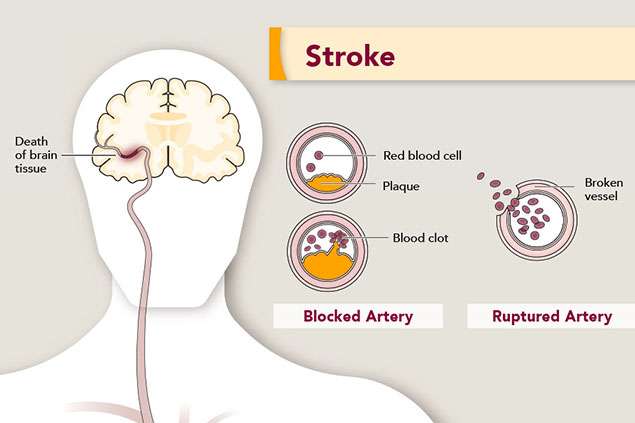
- If untreated, hypertension can lead to serious complications including heart disease and stroke.
Overall, early detection and appropriate management are crucial for maintaining cardiovascular health and enhancing quality of life.