
Dr Ashish Mishra
About Me
Dr Ashish Mishra
MBBS
Dermatologist
10 Years Experience
Biography
My Clinic
OPD Hours
| Monday | Morning | 10:00 AM | - | 02:00 PM |
| Evening | 06:00 PM | - | 09:00 PM | |
| Tuesday | Morning | 10:00 AM | - | 02:00 PM |
| Evening | 06:00 PM | - | 09:00 PM | |
| Wednesday | Morning | 10:00 AM | - | 02:00 PM |
| Evening | 06:00 PM | - | 09:00 PM | |
| Thursday | Morning | 10:00 AM | - | 02:00 PM |
| Evening | 06:00 PM | - | 09:00 PM | |
| Friday | Morning | 10:00 AM | - | 02:00 PM |
| Evening | 06:00 PM | - | 09:00 PM | |
| Saturday | Morning | 10:00 AM | - | 02:00 PM |
| Evening | 06:00 PM | - | 09:00 PM | |
| Sunday | Morning | 10:00 AM | - | 02:00 PM |
| Evening | 06:00 PM | - | 09:00 PM |
Treatments
Specialised care and treatments offered
HAIR LOSS TREATMENT OPTIONS
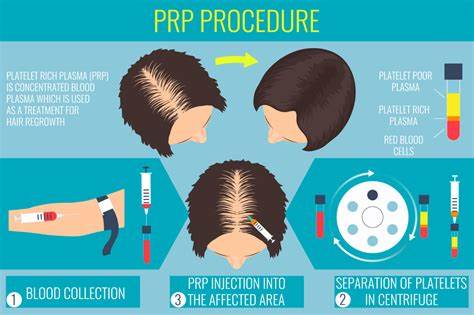
Losing hair beyond normal shedding can be distressing. Hair loss encompasses various patterns including androgenetic alopecia among adults which requires tailored therapeutic strategies based on cause identification.
- Common signs : Thinning hair primarily from scalp crown area in men; diffuse thinning across scalp in women accompanied sometimes by increased hair shedding;
- Etiologies involved : Genetic predisposition influences presence of androgenetic alopecia while other causes involve nutritional deficiencies, stress-related telogen effluvium;
- Diagnostic approach : Detailed medical history combined with physical scalp examination supported occasionally by blood tests evaluating hormone levels or nutritional markers;
- Treatment measures : Use of topical minoxidil solutions promotes regrowth whereas oral finasteride is effective mainly in males; supportive nutritional supplementation plus low-level laser therapy may assist recovery;
An individualized treatment plan improves chances of halting progression and possibly restoring some hair density when started promptly after diagnosis.Reporting changes early empowers successful management outcomes overall.
SKIN CANCER SCREENING PROGRAMS
The early identification of suspicious skin lesions supports better outcomes for patients at risk of developing skin cancer. Routine screening focuses on detecting melanoma as well as non-melanoma variants like basal cell carcinoma and squamous cell carcinoma at their earliest stages.
- Symptoms warranting evaluation : New growths evolving rapidly; sores that do not heal; irregularly pigmented patches showing asymmetry or color variability;
- Risk factors : Prolonged ultraviolet radiation exposure from sunlight or tanning beds; fair complexion prone to sunburns; family history of skin malignancies;
- Screening methodology : Comprehensive full-body inspections utilizing magnification tools coupled with digital imaging technologies facilitate lesion tracking over time;
- Intervention protocols : Suspicious lesions undergo biopsy followed by appropriate surgical excision if cancerous cells are confirmed;
Proactive engagement with screening programs enhances early detection chances thereby increasing survival rates through timely therapeutic interventions applicable across diverse patient populations.
ECZEMA (ATOPIC DERMATITIS) RELIEF STRATEGIES

Eczema is an inflammatory skin disorder characterized by itchy and inflamed patches often linked to allergic tendencies. Proper management focuses on symptom alleviation and avoiding triggers.
- Symptoms observed: Dryness, redness, intense itching leading to scratching that may cause cracking or oozing lesions especially on flexural areas like behind knees or inside elbows.
- Underlying causes: Combination of genetic susceptibility affecting skin barrier function along with environmental allergens or irritants precipitating flare-ups.
- Diagnostic process: Clinical history alongside physical examination identifying typical distribution patterns help confirm diagnosis without requiring invasive tests routinely.
- Treatment plans include: Regular use of emollients to restore moisture barrier; topical corticosteroids or calcineurin inhibitors during active inflammation phases; antihistamines for itch control;
Avoidance of known irritants such as harsh soaps or allergens contributes significantly towards long-term eczema management improving comfort levels substantially over time.
MOLE (NEVUS) EXAMINATION & MONITORING
Moles or nevi are benign skin growths common in many individuals. Monitoring changes in moles is vital since alterations may indicate malignant transformation such as melanoma.
- Typical signs: Small brown or black spots appearing anywhere on the skin surface; usually symmetrical with well-defined borders.
- Causative factors: Genetic factors influence mole development; excessive sun exposure increases risk of atypical changes.
- Screening methods: Dermatologists use dermoscopy and visual inspection based on ABCDE criteria — Asymmetry, Border irregularity, Color variation, Diameter enlargement, Evolution over time.
- Treatment/management: Benign moles require no intervention but suspicious lesions may need biopsy or surgical excision for histopathological analysis.
Timely surveillance through professional assessments plays a crucial role in preventing progression to serious skin cancers by allowing prompt removal if necessary.
PSORIASIS SCREENING AND CARE
Psoriasis is a chronic autoimmune disease that speeds up skin cell turnover causing thickened, red patches often covered with silver scales. Early detection helps manage symptoms effectively.
- Symptoms: Raised red plaques with scaling commonly on elbows, knees, scalp; itching and discomfort may be present.
- Causes: Genetic predisposition combined with immune system dysfunction triggers abnormal skin cell growth cycles.
- Diagnosis: Primarily clinical evaluation supported by biopsy in uncertain cases to differentiate from other dermatoses.
- Treatment approaches: Topical corticosteroids, vitamin D analogues, phototherapy (UVB light), systemic agents for moderate to severe disease.
- Patient expectations: Psoriasis varies widely; while not curable currently, ongoing management reduces flare frequency and severity significantly.
Regular follow-ups permit adjustment of treatments tailored to symptom severity ensuring improved quality of life for afflicted individuals.
ACNE VULGARIS MANAGEMENT
Acne vulgaris is a common skin condition primarily affecting adolescents but can persist into adulthood. It involves inflammation of the hair follicles and oil glands, resulting in pimples and sometimes scarring.
- Symptoms: Presence of blackheads, whiteheads, papules, pustules, and in severe cases, cysts on the face, chest, or back.
- Causes: Hormonal changes, excess sebum production, bacteria proliferation (Propionibacterium acnes), and clogged pores are common contributors.
- Diagnosis: Visual clinical examination usually suffices; severe cases may require additional evaluation to rule out underlying hormonal imbalances.
- Treatment options: Include topical retinoids, benzoyl peroxide, antibiotics (topical/oral), hormonal therapies for females, and lifestyle modifications like gentle cleansing routines.
- What to expect: With consistent treatment adherence, improvement typically occurs over weeks to months; early intervention minimizes scarring risk.
Understanding acne's causes and maintaining proper skincare can help control outbreaks effectively and improve skin appearance over time.