
Dr Ashish Mittal
About Me
Dr Ashish Mittal
Orthopaedic Surgeons
Biography
My Clinic
OPD Hours
| Monday | Morning | 10:00 AM | - | 02:00 PM |
| Evening | 06:00 PM | - | 09:00 PM | |
| Tuesday | Morning | 10:00 AM | - | 02:00 PM |
| Evening | 06:00 PM | - | 09:00 PM | |
| Wednesday | Morning | 10:00 AM | - | 02:00 PM |
| Evening | 06:00 PM | - | 09:00 PM | |
| Thursday | Morning | 10:00 AM | - | 02:00 PM |
| Evening | 06:00 PM | - | 09:00 PM | |
| Friday | Morning | 10:00 AM | - | 02:00 PM |
| Evening | 06:00 PM | - | 09:00 PM | |
| Saturday | Morning | 10:00 AM | - | 02:00 PM |
| Evening | 06:00 PM | - | 09:00 PM | |
| Sunday | Morning | 10:00 AM | - | 02:00 PM |
| Evening | 06:00 PM | - | 09:00 PM |
Treatments
Specialised care and treatments offered
KNEE BRACING
Knee bracing serves as an effective non-invasive option designed to support weakened knee structures resulting from injuries like ACL tears or early osteoarthritis manifestations. Providing stability during movement reduces further strain allowing better activity participation levels while ensuring enhanced comfort overall during daily chores!
- Selecting appropriate knee braces requires careful consideration wherein common symptoms, including instability feelings accompanied by swelling episodes indicating potential mechanical failures arise should be evaluated thoroughly through assessments conducted prior selection processes being finalized upon recommendations made post consultations performed beforehand!
SHOULDER JOINT INJECTION
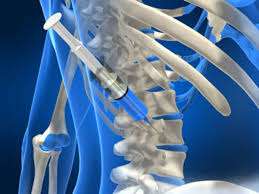
A shoulder joint injection can significantly alleviate pain associated with inflammatory conditions like bursitis or arthritis. By delivering medication directly into the shoulder joint space, inflammation is reduced rapidly providing symptomatic relief for patients experiencing severe discomfort during movement activities.
- The primary symptoms prompting injections usually entail localized pain during shoulder movements accompanied by swelling or stiffness signs around the area.
- An accurate diagnosis requires comprehensive evaluations including patient history alongside imaging assessments as necessary for identifying specific underlying issues causing discomforts such as tears or impingement syndromes.
- The management plan may include repeated injections spaced out over time based on individual responses alongside adjunct therapies involving physical rehabilitation approaches tailored accordingly post-injection phase evaluation outcomes.
This targeted approach not only aids in managing pain but also supports improved mobility facilitating patients' return back into daily routines efficiently after treatment completion stages have been performed successfully!
CARPAL TUNNEL RELEASE

The carpal tunnel release procedure is aimed at relieving pressure on the median nerve within the wrist. Individuals suffering from carpal tunnel syndrome often experience numbness or tingling in their hands that inhibit daily activities significantly.
- Common symptoms include hand weakness, pain radiating into the arm, or nocturnal symptoms affecting sleep quality.
- A proper diagnosis can involve clinical exams along with nerve conduction studies to confirm compression of the nerve pathway.
- Treatment options range from non-surgical approaches such as splinting and corticosteroid injections before considering surgical intervention if symptoms persist.
- Surgery generally entails making a small incision at the wrist; recovery typically emphasizes gradual mobility restoration through exercises prescribed by specialists.
Surgical intervention aims at providing long-term relief from debilitating symptoms enabling better hand functionality thereafter.
MINIMALLY INVASIVE HIP REPLACEMENT

Minimally invasive hip replacement surgery offers significant advantages over traditional hip surgeries by employing smaller incisions. This method usually results in less postoperative discomfort and quicker recovery times while replacing damaged parts of the hip joint with artificial components.
- Pain and mobility issues stemming from arthritis or fractures can lead patients to consider this intervention as a solution.
- A thorough diagnostic approach includes imaging studies such as X-rays to evaluate bone structure and joint condition.
- The surgical process involves precise techniques to avoid damaging surrounding tissues while ensuring successful implant placement.
- After surgery, rehabilitation focuses on restoring strength through targeted exercises supervised by healthcare professionals.
This progressive technique provides numerous benefits for patients looking for efficient recovery without compromising effectiveness.
PLATELET-RICH PLASMA (PRP) THERAPY

Platelet-rich plasma therapy is an innovative treatment that harnesses the body’s own healing capabilities. By extracting a small amount of blood, concentrating the platelets, and injecting it into the injured area, this therapy promotes healing in chronic injuries.
- This treatment is particularly beneficial for conditions like tendonitis or ligament sprains where traditional methods have failed to yield results.
- Diagnosis involves assessing medical history and conducting physical exams along with imaging tests as needed.
- The management plan generally includes initial consultation followed by PRP injections, which can be repeated depending on individual progress.
- Patients typically experience minimal downtime and might return to normal activities shortly after treatment.
This state-of-the-art approach offers hope for those seeking alternatives to surgery in places like Jaipur.
ARTHROSCOPY

Arthroscopy is a minimally invasive surgical procedure that allows orthopedic surgeons to diagnose and treat joint issues using a small camera called an arthroscope. This technique is often preferred due to its reduced recovery time and minimal scarring compared to open surgery.
- Symptoms of joint problems may include persistent pain, swelling, or stiffness.
- Diagnosis typically involves a physical examination, imaging tests like MRI or X-rays, and ultimately, the arthroscopic procedure itself for accurate assessment.
- Treatment involves removing damaged tissue, repairing ligaments or cartilage, and may include flushing out debris from the joint.
- Post-procedure care includes rest, gradual rehabilitation exercises, and pain management strategies to ensure a full recovery.
This technique not only alleviates discomfort but also helps restore function in the affected joints effectively.