
Dr Ashok Bhatnaga
About Me
Dr Ashok Bhatnaga
MD
Cardiologist
10 Years Experience
Biography
My Clinic
OPD Hours
| Monday | Morning | 10:00 AM | - | 02:00 PM |
| Evening | 06:00 PM | - | 09:00 PM | |
| Tuesday | Morning | 10:00 AM | - | 02:00 PM |
| Evening | 06:00 PM | - | 09:00 PM | |
| Wednesday | Morning | 10:00 AM | - | 02:00 PM |
| Evening | 06:00 PM | - | 09:00 PM | |
| Thursday | Morning | 10:00 AM | - | 02:00 PM |
| Evening | 06:00 PM | - | 09:00 PM | |
| Friday | Morning | 10:00 AM | - | 02:00 PM |
| Evening | 06:00 PM | - | 09:00 PM | |
| Saturday | Morning | 10:00 AM | - | 02:00 PM |
| Evening | 06:00 PM | - | 09:00 PM | |
| Sunday | Morning | 10:00 AM | - | 02:00 PM |
| Evening | 06:00 PM | - | 09:00 PM |
Treatments
Specialised care and treatments offered
ADVANCED HEART FAILURE MANAGEMENT

Heart failure occurs when the heart cannot pump blood efficiently enough to meet bodily demands. Managing advanced stages requires comprehensive approaches tailored specifically toward symptom relief and slowing disease progression effectively preserving life quality over time.
- Please note: Causes include ischemic cardiomyopathy, valvular diseases, hypertension leading gradually impaired ventricles ability causing swelling shortness breath fatigue swelling limbs
- Diagnosis primarily relies on echocardiography measuring ejection fraction along with biomarkers like BNP guiding severity classification
- Treatment integrates medications (ACE inhibitors beta-blockers diuretics), lifestyle changes devices like ICDs CRT combined occasionally consideration for transplant depending clinical status
- Prognosis emphasizes close monitoring regular adjustments aiming at stabilizing symptoms enhancing functional capacity allowing better longevity
A collaborative multidisciplinary approach ensures that individuals facing this challenging condition receive personalized care plans optimizing each phase effectively improving overall wellbeing despite serious underlying illness
RADIOFREQUENCY CATHETER ABLATION
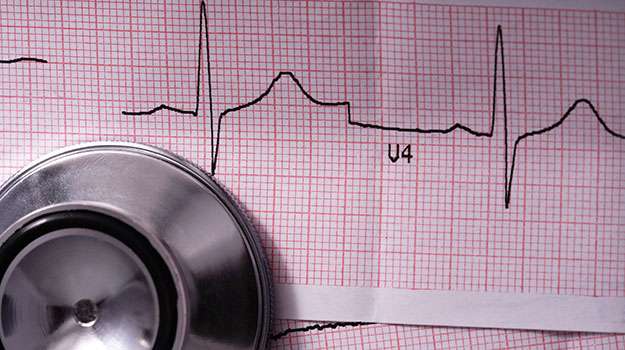
Irritable areas within your heart's electrical circuitry can cause irregular rhythms called arrhythmias. To correct these disturbances safely without open-heart surgery, radiofrequency catheter ablation employs controlled thermal energy delivered by specialized catheters positioned inside your heart chambers under precise guidance technologies such as electrophysiology mapping systems.
- The most common arrhythmias treated include atrial fibrillation and supraventricular tachycardia which may present as palpitations dizziness or fainting episodes requiring medical evaluation.
- An electrophysiological study maps aberrant conduction paths critical before proceeding with ablation ensuring accurate target destruction.
- The ablation itself uses radiofrequency energy via flexible catheters that selectively destroy problematic tissue causing abnormal impulses without significant damage elsewhere in myocardial tissue.
- This minimally invasive approach significantly improves quality of life while minimizing risks associated with ongoing medication use or more aggressive surgeries.
- Candidates usually require follow-up visits post-procedure including ECG monitoring assessing rhythm stability over time.
The procedure has revolutionized management options available for many symptomatic arrhythmia patients offering potential cure rather than mere symptom control alone.
PERCUTANEOUS CORONARY INTERVENTION (PCI)
This procedure offers a less invasive way than surgery to treat narrowed coronary arteries responsible for angina or heart attacks. PCI helps restore blood flow using specialized catheters equipped with balloons or stents.
- Causal factors & signs: Blockages due to plaque buildup can cause chest tightness, shortness of breath, or acute myocardial infarction symptoms.
- Evidential testing required: Coronary angiography confirms narrowing sites suitable for intervention.
- Treatment details: PCI involves balloon angioplasty often followed by stent placement that props open the artery permanently.
- The recovery journey: Most patients recover quickly with dual antiplatelet therapy recommended post-procedure to prevent re-occlusion.
This technique has revolutionized urgent and elective treatment of coronary artery disease by minimizing hospital stays while effectively alleviating ischemic symptoms.
IMPLANTABLE CARDIOVERTER DEFIBRILLATOR (ICD) THERAPY
Certain heart rhythm disorders can lead to sudden cardiac arrest. Implantable Cardioverter Defibrillators provide life-saving intervention by detecting dangerous arrhythmias and delivering corrective shocks automatically.
- Main indications & symptoms: Individuals with ventricular tachycardia or fibrillation risk often complain of palpitations or fainting spells.
- Diagnostic tools used: Electrocardiograms (ECG), Holter monitoring, and electrophysiological studies aid evaluation prior to implantation.
- Treatment overview: The ICD device is surgically implanted under the skin near the collarbone, connected by leads to monitor heart rhythms continuously.
- Aftercare considerations: Patients require regular follow-ups for device interrogation and management of any delivered therapies.
The therapy plays an essential role in preventing sudden death in high-risk cardiac patients through timely electrical correction of fatal arrhythmias.
TRANSCATHETER AORTIC VALVE REPLACEMENT (TAVR)
Aortic valve stenosis restricts blood flow from the heart's left ventricle into the aorta. For patients who are high-risk candidates for traditional surgery, Transcatheter Aortic Valve Replacement provides an innovative alternative.
- Symptoms & causes: Stenosis results from valve calcification or congenital defects, causing breathlessness, chest discomfort, and syncope.
- Diagnosis methods: Echocardiography and cardiac catheterization confirm severity and suitability for TAVR.
- Treatment process: TAVR involves threading a catheter via vessels to implant a new valve without open-heart surgery.
- Post-procedure expectations: It usually entails shorter hospital stays and faster recovery compared to conventional valve replacement surgery.
This minimally invasive technique offers relief for patients otherwise unsuitable for major surgery, improving survival rates and symptom control.
CORONARY ARTERY BYPASS GRAFTING (CABG)
When the arteries supplying blood to the heart muscle become severely narrowed or blocked, restoring adequate circulation is crucial. One common surgical method to achieve this is coronary artery bypass grafting, often abbreviated as CABG.
- Causes and symptoms: Blockages are usually due to atherosclerosis; patients may experience chest pain (angina), shortness of breath, or fatigue.
- Diagnosis: Techniques like coronary angiography, stress tests, and echocardiograms help assess the extent of arterial blockage.
- Treatment approach: CABG involves using a healthy blood vessel from another part of the body to bypass blocked coronary arteries and improve blood flow.
- What to expect: This is an open-heart surgery typically requiring hospitalization and a recovery period with cardiac rehabilitation for optimal outcomes.
This procedure can significantly reduce symptoms and enhance quality of life for those with severe coronary artery disease when other treatments are insufficient.