
Dr Ashok Garg
About Me
Dr Ashok Garg
MD
Cardiologist
10 Years Experience
Biography
My Clinic
OPD Hours
| Monday | Morning | 10:00 AM | - | 02:00 PM |
| Evening | 06:00 PM | - | 09:00 PM | |
| Tuesday | Morning | 10:00 AM | - | 02:00 PM |
| Evening | 06:00 PM | - | 09:00 PM | |
| Wednesday | Morning | 10:00 AM | - | 02:00 PM |
| Evening | 06:00 PM | - | 09:00 PM | |
| Thursday | Morning | 10:00 AM | - | 02:00 PM |
| Evening | 06:00 PM | - | 09:00 PM | |
| Friday | Morning | 10:00 AM | - | 02:00 PM |
| Evening | 06:00 PM | - | 09:00 PM | |
| Saturday | Morning | 10:00 AM | - | 02:00 PM |
| Evening | 06:00 PM | - | 09:00 PM | |
| Sunday | Morning | 10:00 AM | - | 02:00 PM |
| Evening | 06:00 PM | - | 09:00 PM |
Treatments
Specialised care and treatments offered
AMBULATORY BLOOD PRESSURE MONITORING (ABPM)

This technique records blood pressure at regular intervals over 24 hours during routine activities including sleep. It helps diagnose hypertension more accurately than single clinic measurements alone by capturing fluctuations throughout daily life cycles.
CARDIAC CATHETERIZATION
This procedure involves threading a thin catheter through blood vessels into the heart chambers to diagnose and sometimes treat cardiovascular diseases directly. It offers precise anatomical details not available from non-invasive tests alone.
HOLTER MONITORING
The Holter monitor is a portable device worn by patients to record continuous ECG data over 24-48 hours or longer. It captures intermittent arrhythmias that might not appear during short clinical visits.
- Pain-Free Experience: Can be worn during normal daily activities without discomfort.
- Diagnostic Advantage: Identifies transient episodes of palpitations, fainting spells, or irregular heartbeat noticed by patients intermittently.
- User Instructions: Avoid water exposure as device is not waterproof; keep diary of symptoms for correlation purposes during analysis.
- Data Analysis:
STRESS TESTING (EXERCISE STRESS TEST)
A Stress Test evaluates how your heart performs under physical exertion. It helps uncover coronary artery disease by monitoring changes in heart function during increased activity.
- Sensitivity: Detects reduced blood flow due to blockages not always apparent at rest.
- Methodology: Patient walks on a treadmill or pedals a stationary bike while vital signs are monitored continuously.
- Monitoring Tools: Electrocardiogram recordings during exercise reveal arrhythmias or ischemia symptoms.
- Cautionary Measures: Medical staff supervise closely ensuring safety throughout the test duration.
This procedure is instrumental in determining exercise tolerance and guiding therapy for patients suspected of having coronary artery disease.
ECHOCARDIOGRAPHY
Echocardiography uses ultrasound waves to create images of the heart’s structures in real-time. This non-invasive test offers insights into heart function and can identify structural abnormalities.
- Indications: Used to evaluate valve diseases, cardiomyopathies, and pericardial effusion.
- Process: A probe on the chest emits sound waves that reflect off the heart's surfaces creating visuals on a monitor.
- Assessment: Measures chamber size, wall motion, valve function, and ejection fraction.
- Treatment Planning: Helps guide decisions for medical management or surgical interventions.
This imaging technique is invaluable for detailed cardiac evaluation without exposure to radiation or invasive procedures.
ELECTROCARDIOGRAM (ECG/EKG)
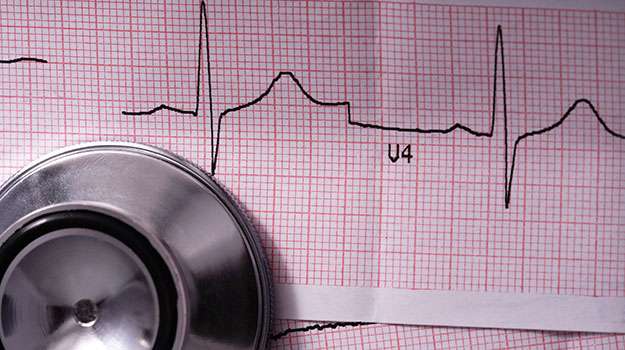
An Electrocardiogram is a fundamental diagnostic tool used to measure the electrical activity of the heart. It helps detect irregularities in heart rhythm and structure, assisting physicians in diagnosing various cardiac conditions.
- Purpose: Identifies arrhythmias, heart attacks, and other electrical abnormalities.
- Procedure: Non-invasive and painless; electrodes are placed on the chest, arms, and legs.
- Interpretation: Results show wave patterns indicating heart rate, rhythm, and conduction issues.
- Follow-up: Abnormal ECG may lead to further tests such as stress tests or echocardiography.
- Benefits: Quick, safe, and widely available screening method.
This test provides vital information about heart health with minimal discomfort to the patient and serves as an initial step for cardiac assessment.