
Dr Ashok Gupta,
About Me
Dr Ashok Gupta,
MD
Neurologist
10 Years Experience
Biography
My Clinic
OPD Hours
| Monday | Morning | 10:00 AM | - | 02:00 PM |
| Evening | 06:00 PM | - | 09:00 PM | |
| Tuesday | Morning | 10:00 AM | - | 02:00 PM |
| Evening | 06:00 PM | - | 09:00 PM | |
| Wednesday | Morning | 10:00 AM | - | 02:00 PM |
| Evening | 06:00 PM | - | 09:00 PM | |
| Thursday | Morning | 10:00 AM | - | 02:00 PM |
| Evening | 06:00 PM | - | 09:00 PM | |
| Friday | Morning | 10:00 AM | - | 02:00 PM |
| Evening | 06:00 PM | - | 09:00 PM | |
| Saturday | Morning | 10:00 AM | - | 02:00 PM |
| Evening | 06:00 PM | - | 09:00 PM | |
| Sunday | Morning | 10:00 AM | - | 02:00 PM |
| Evening | 06:00 PM | - | 09:00 PM |
Treatments
Specialised care and treatments offered
NEUROPATHY

This condition results from damage to peripheral nerves causing weakness or numbness typically in hands/feet. Understanding neuropathy enables better self-care strategies!
- Main symptoms: tingling sensations, burning pain, weak muscles impacting daily activities.
- Common causes include diabetes mellitus or prolonged alcohol consumption among others।
- Diagnosis might require nerve conduction studies alongside blood tests for underlying causes。
- Treatment focuses on addressing underlying issues while managing pain through medications ranging from analgesics to specific neuropathic agents!
Providing education & access towards supportive care empowers patients dealing with neuropathy!
ALZHEIMER'S DISEASE
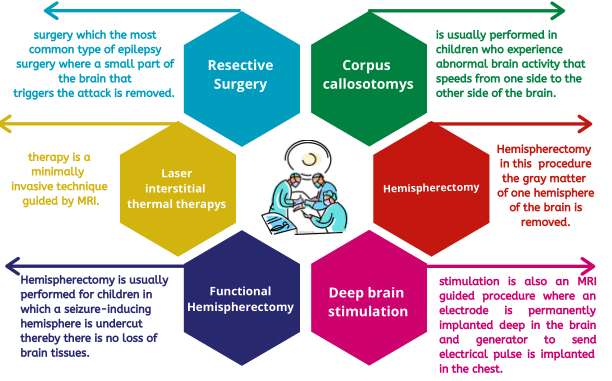
This degenerative brain disease causes memory loss and cognitive decline over time. Knowledge about Alzheimer's is key for caregivers and family members supporting affected individuals!
- Main symptoms, often beginning subtly include forgetfulness, confusion about place or time, changes in mood/behavior。
- The cause is related both to age-related changes in the brain along with genetic dispositions。
- Diagnosis involves careful review of medical history alongside cognitive tests & imaging studies。
- While there’s no cure yet; several medications may temporarily improve symptoms or slow progression。
Timely intervention & support systems enhance quality of life greatly!
PARKINSON'S DISEASE
This progressive neurological disorder affects movement control due to degeneration of dopamine-producing neurons. Being aware of its symptoms aids early detection and management.
- Main indicators include tremors, stiffness, slowed movements (bradykinesia), and balance issues.
- The exact cause remains unclear; however, a combination of genetic and environmental factors may play a role.
- A comprehensive evaluation including neurological examinations is essential for a solid diagnosis.
- Treatment options focus on medication that enhances dopamine levels or mimics its action; therapy may also help with mobility challenges.
A proactive approach allows individuals to maintain function for years after diagnosis!
EPILEPSY
A neurological condition characterized by recurrent seizures due to abnormal electrical activity in the brain. Understanding epilepsy is crucial for those affected.
- The most common symptoms are seizures which could manifest as convulsions or loss of consciousness.
- Certain factors like genetics or brain injury can contribute to its causes.
- A thorough clinical assessment including EEG tests helps in confirming the diagnosis.
- Treatment usually consists of antiepileptic drugs tailored to individual needs along with lifestyle modifications for safety during episodes.
With proper treatment, many patients successfully manage their condition and lead fulfilling lives.
MULTIPLE SCLEROSIS
This chronic disease affects the central nervous system and occurs when the immune system mistakenly attacks the protective covering of nerve fibers. Understanding this condition is vital for effective management.
- Main symptoms include fatigue, difficulty walking, numbness or tingling in limbs, and vision problems.
- Diagnosis involves neurological exams alongside MRI scans to detect lesions in the brain or spinal cord.
- Management typically includes medications that modify the disease’s progression as well as therapies aimed at managing symptoms.
- Patients can expect periodic assessments to monitor their condition and adjust treatment plans as needed.
Lifestyle adaptations alongside medical treatment can help patients manage symptoms effectively!
MIGRAINE
Migraine is a prevalent and often debilitating type of headache that affects millions. Characterized by severe, pulsating pain usually on one side of the head, migraines can significantly impact daily life.
- Symptoms include intense headaches, nausea, vomiting, and sensitivity to light or sound.
- The exact causes are not fully understood but may involve genetic and environmental factors.
- Diagnosis typically involves a thorough patient history and neurological examination to rule out other conditions.
- Treatment options may include medications such as triptans, preventive treatments, lifestyle changes, and avoiding known triggers.
- Effective management can lead to reduced frequency and intensity of attacks!
With appropriate treatment, individuals suffering from migraines can regain control over their lives and improve their quality of living.