
Dr Ashok Gupta
About Me
Dr Ashok Gupta
MBBS
General Physician
10 Years Experience
Biography
My Clinic
OPD Hours
| Monday | Morning | 10:00 AM | - | 02:00 PM |
| Evening | 06:00 PM | - | 09:00 PM | |
| Tuesday | Morning | 10:00 AM | - | 02:00 PM |
| Evening | 06:00 PM | - | 09:00 PM | |
| Wednesday | Morning | 10:00 AM | - | 02:00 PM |
| Evening | 06:00 PM | - | 09:00 PM | |
| Thursday | Morning | 10:00 AM | - | 02:00 PM |
| Evening | 06:00 PM | - | 09:00 PM | |
| Friday | Morning | 10:00 AM | - | 02:00 PM |
| Evening | 06:00 PM | - | 09:00 PM | |
| Saturday | Morning | 10:00 AM | - | 02:00 PM |
| Evening | 06:00 PM | - | 09:00 PM | |
| Sunday | Morning | 10:00 AM | - | 02:00 PM |
| Evening | 06:00 PM | - | 09:00 PM |
Treatments
Specialised care and treatments offered
HYPOTHYROIDISM
This condition arises when the thyroid gland does not produce sufficient hormones essential for metabolism regulation. It can affect various bodily functions if left untreated.
}
- ${
} ● Symptoms: 'Some common signs include fatigue' weight gain' cold sensitivity , depression , memory issues.${
} ●${Diagnosing Hypothyroidism: A simple blood test measuring TSH (Thyroid Stimulating Hormone) levels confirms diagnosis.'${
} ● Treatment Overview: Hypothyroidism is often managed effectively with synthetic hormone replacement therapy.' Regular monitoring ensures proper dosage adjustments over time.
SEASONAL ALLERGIES

The body's immune response to certain allergens during specific seasons results in seasonal allergies. Awareness allows individuals to manage their allergic reactions effectively throughout the year.
GASTROESOPHAGEAL REFLUX DISEASE (GERD)

This chronic digestive disorder occurs when stomach acid frequently flows back into the esophagus. Understanding GERD helps patients make informed choices about their health.
- Main symptoms: Commonly experienced symptoms include heartburn, regurgitation of sour liquid into the throat or mouth, difficulty swallowing, and dry cough
- Causative factors: Risk factors involve obesity, smoking habits, certain foods (like spicy or fatty foods), and pregnancy which increases abdominal pressure.
- The diagnosis process: Healthcare providers diagnose GERD through symptom evaluation along with possible endoscopy for further assessment of esophageal damage.
- Treatment strategies: Lifestyle modifications such as weight loss combined with medications like proton pump inhibitors (PPIs) can help alleviate symptoms effectively.
A proactive approach in managing GERD can greatly enhance quality of life by minimizing uncomfortable symptoms associated with this condition.
ASTHMA
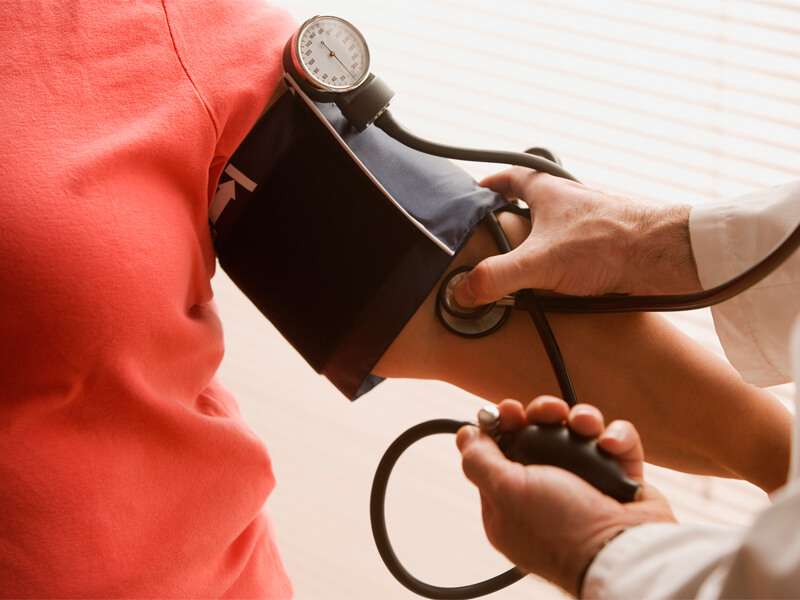
A chronic respiratory condition known as asthma affects airways in the lungs and leads to breathing difficulties. An understanding of asthma helps patients manage its impact on daily life.
- Symptoms: Common signs include wheezing, shortness of breath, chest tightness, and coughing, especially at night or during physical activity.
- Causative factors: Triggers may include allergens like pollen or dust mites, respiratory infections, smoke inhalation, and intense exercise.
- Diagnosis methods: Asthma is diagnosed through lung function tests (spirometry) along with a review of medical history and symptoms.
- Treatment options: Management often requires inhalers that may be bronchodilators or corticosteroids to reduce inflammation and open airways.
If managed properly with appropriate prevention strategies and medications, individuals with asthma can lead normal lives with minimal disruption from their symptoms.
DIABETES MELLITUS

Diabetes mellitus is a chronic disease characterized by high blood sugar levels due to insulin resistance or insufficient insulin production. Recognizing diabetes early can prevent serious complications.
- Causes: Factors include genetic predisposition, obesity, sedentary lifestyle, and poor dietary habits.
- Common symptoms: Increased thirst, frequent urination, fatigue, and blurred vision are common indicators of the condition.
- Diagnosis: Diagnosis involves fasting blood glucose tests or hemoglobin A1c testing to determine average blood sugar levels over time.
- Treatment approach: Management might involve lifestyle changes, oral medications like metformin, or insulin therapy based on individual needs.
A comprehensive approach to diabetes care can help maintain stable blood sugar levels and enhance overall well-being.
HYPERTENSION

Hypertension, commonly known as high blood pressure, is a prevalent condition that affects millions globally. It can lead to severe health complications if not properly managed.
- Symptoms: Often, hypertension has no noticeable symptoms, but some may experience headaches, dizziness, or nosebleeds.
- Diagnosis: Blood pressure is measured using a sphygmomanometer; readings consistently above 130/80 mmHg indicate hypertension.
- Treatment options: Management typically includes lifestyle changes such as diet and exercise along with medications like diuretics or beta-blockers.
- Long-term management: Regular monitoring and adherence to prescribed treatments are crucial for controlling blood pressure effectively.
Managing hypertension is vital for reducing the risk of heart attack and stroke. Adopting a healthy lifestyle can significantly improve outcomes.