
Dr Ashok Jain
About Me
Dr Ashok Jain
MBBS
General Physician
Biography
My Clinic
OPD Hours
| Monday | Morning | 10:00 AM | - | 02:00 PM |
| Evening | 06:00 PM | - | 09:00 PM | |
| Tuesday | Morning | 10:00 AM | - | 02:00 PM |
| Evening | 06:00 PM | - | 09:00 PM | |
| Wednesday | Morning | 10:00 AM | - | 02:00 PM |
| Evening | 06:00 PM | - | 09:00 PM | |
| Thursday | Morning | 10:00 AM | - | 02:00 PM |
| Evening | 06:00 PM | - | 09:00 PM | |
| Friday | Morning | 10:00 AM | - | 02:00 PM |
| Evening | 06:00 PM | - | 09:00 PM | |
| Saturday | Morning | 10:00 AM | - | 02:00 PM |
| Evening | 06:00 PM | - | 09:00 PM | |
| Sunday | Morning | 10:00 AM | - | 02:00 PM |
| Evening | 06:00 PM | - | 09:00 PM |
Treatments
Specialised care and treatments offered
RESPIRATORY INFECTION ASSESSMENT
Respiratory infections encompass conditions ranging from mild colds to more serious pneumonia. Accurate assessment allows for timely intervention which enhances patient outcomes significantly
- Common signs include persistent coughs accompanied by phlegm production shortness of breath fever fatigue
- Tests may involve chest X-rays sputum cultures lung function assessments providing comprehensive insights into the nature of respiratory issues
- Treatment strategies often comprise antivirals antibiotics bronchodilators prescribed based on specific diagnoses aiding recovery effectively
- Open discussions about symptom severity lifestyle changes designed towards enhancing respiratory health form important components during follow-ups
With knowledge about potential contributing factors patients possess tools needed towards minimizing risks while improving respiratory well-being overall
INFECTION DIAGNOSIS

The human body can be affected by various infectious diseases stemming from bacteria, viruses, fungi, or parasites. Rapid identification ensures appropriate treatment is initiated promptly.
- Symptoms often vary widely based on the infection type but might generally include fever, chills, discomfort at infection sites (like sore throat), or respiratory issues during outbreaks.
- Diagnosis involves thorough physical examinations alongside laboratory testing which could include cultures or PCR assays depending on suspected infections
- Management varies significantly; it could require antibiotics for bacterial infections while antiviral medications are suited for viral infections
- Expect clear communication from your healthcare provider regarding prescribed treatments along with advice on preventive measures against future infections
Taking swift action upon symptom recognition can drastically improve recovery outcomes while minimizing complications related to untreated infections
ANEMIA EVALUATION
Anemia is a condition characterized by a deficiency in red blood cells or hemoglobin leading to reduced oxygen transport throughout the body. Understanding its causes is key for successful management.
- Signs may include fatigue, weakness, pale skin, or rapid heartbeat depending on severity
- Anemia is diagnosed through complete blood counts (CBC) among other tests determining hemoglobin levels and iron status in the body.
- Treatment often revolves around addressing underlying causes: dietary supplements like iron tablets for iron deficiency anemia; vitamin B12 shots for certain types; or treating chronic diseases contributing to anemia.
- You should anticipate follow-up consultations aimed at tracking hemoglobin levels until stabilization occurs after treatment initiation.
Through correct evaluation and targeted therapies, most patients with anemia respond well and experience an improvement in energy levels and overall vitality.
THYROID FUNCTION TESTS
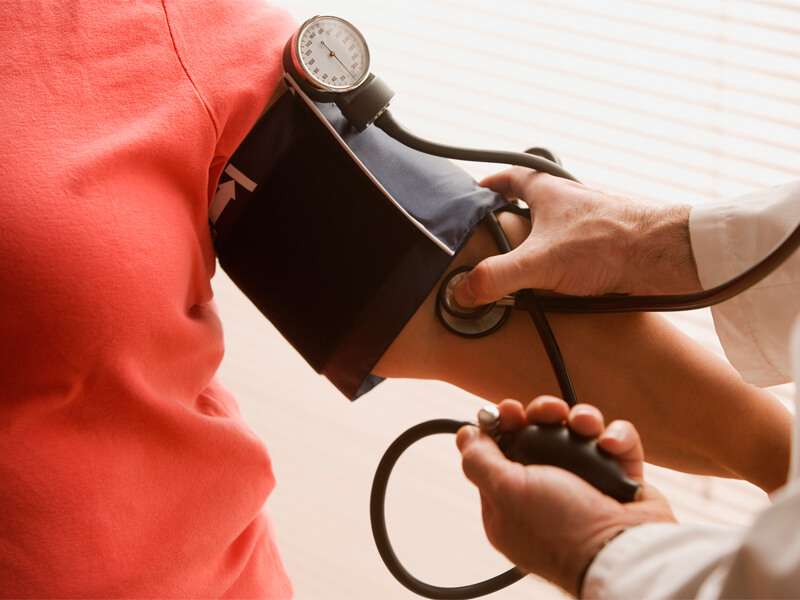
The thyroid gland plays a vital role in regulating metabolism through hormone production. Disorders like hypothyroidism or hyperthyroidism can profoundly impact overall health.
- Symptoms of thyroid dysfunction may include weight changes, mood swings, fatigue, or altered heart rates depending on whether the thyroid is underactive or overactive.
- A diagnosis usually involves specific blood tests measuring TSH (Thyroid Stimulating Hormone) along with T3 and T4 hormone levels.
- Treatment varies; hypothyroidism typically requires daily hormone replacement therapy while hyperthyroidism might necessitate medication or other interventions like radioactive iodine therapy.
- You can expect your doctor to recommend periodic follow-up testing to monitor hormone levels for optimal health management.
A comprehensive understanding of thyroid function aids in effective treatment strategies that are tailored individually for managing these conditions effectively.
DIABETES SCREENING

Diabetes is an increasingly common metabolic disorder characterized by elevated glucose levels in the blood. Early detection through screening is essential for effective management.
- Symptoms may vary but commonly include increased thirst, frequent urination, fatigue, and blurred vision.
- Doctors typically diagnose diabetes using fasting blood sugar tests, oral glucose tolerance tests, or HbA1c tests that measure average sugar levels over time.
- If diagnosed, management may involve dietary changes, regular physical activity, and possibly insulin or other medications to control sugar levels.
- Ongoing monitoring of blood glucose levels is necessary; you should expect regular check-ups to adjust treatment strategies as needed.
By being proactive about screening and management options, individuals can significantly improve their quality of life and prevent complications associated with diabetes.
HYPERTENSION MANAGEMENT

Hypertension, commonly known as high blood pressure, is a chronic condition that can lead to severe health complications if not properly managed. Understanding this condition is crucial for effective treatment and long-term health.
- Common symptoms can be subtle and might include headaches, dizziness, or shortness of breath.
- Diagnosis typically involves measuring blood pressure at multiple visits and may include additional tests such as blood tests or ECG.
- Treatment options often range from lifestyle changes like improved diet and exercise to medications such as diuretics or ACE inhibitors.
- Regular monitoring is essential; expect your doctor to schedule follow-ups to track your blood pressure trends.
- The goal of management is to maintain blood pressure within a normal range and reduce the risk of heart disease and stroke.
With appropriate care, individuals with hypertension can lead healthy lives without complications. It's vital to stay informed about your condition and treatment options.