
Dr Ashok Jhajhari
About Me
Dr Ashok Jhajhari
MD
Oncologist
Biography
My Clinic
OPD Hours
| Monday | Morning | 10:00 AM | - | 02:00 PM |
| Evening | 06:00 PM | - | 09:00 PM | |
| Tuesday | Morning | 10:00 AM | - | 02:00 PM |
| Evening | 06:00 PM | - | 09:00 PM | |
| Wednesday | Morning | 10:00 AM | - | 02:00 PM |
| Evening | 06:00 PM | - | 09:00 PM | |
| Thursday | Morning | 10:00 AM | - | 02:00 PM |
| Evening | 06:00 PM | - | 09:00 PM | |
| Friday | Morning | 10:00 AM | - | 02:00 PM |
| Evening | 06:00 PM | - | 09:00 PM | |
| Saturday | Morning | 10:00 AM | - | 02:00 PM |
| Evening | 06:00 PM | - | 09:00 PM | |
| Sunday | Morning | 10:00 AM | - | 02:00 PM |
| Evening | 06:00 PM | - | 09:00 PM |
Treatments
Specialised care and treatments offered
STEM CELL TRANSPLANT
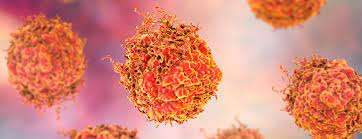
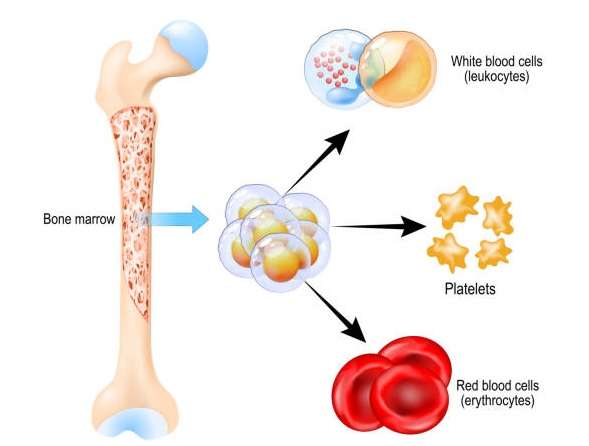
A stem cell transplant involves replacing damaged bone marrow with healthy stem cells. This procedure can significantly improve survival rates for patients battling aggressive cancers such as leukemia or lymphoma after intensive treatment regimens like chemotherapy or radiation have been administered first
.- .
- . . Symptoms/cases:, patients frequently present systemic signs indicating hollow organ failure alongside manifestations from disease progression prior addressing fatality risks involved. .
- . . Diagnosis:, implementing protocols verifying blood counts coupled diagnostic imagery ensures optimal referral timelines establish functionality assessing marrow health before entries centralized points directing stem cell access. .
- . . Treatment Options:, donors sourced either autologously resultant individualized preparations employing harvested tissues conclude standard protocols entail collaborative engagement among multidisciplinary teams. .
- . . Management:, post-transplant monitoring evaluates graft versus host disease while promoting supportive measures fostering true rehabilitative experiences derived necessary integration allowing restoration capacity. .
- . . What To Expect:, outcomes fluctuate reliant upon numerous facets most notably identity underlying ailments presenting chances arrangements forecasting efficacy need comprehensive scrutiny.
:This transformative process aims not merely prolong life expectancy although instilling hope revitalizes stakes allowing opportunities discovering renewed vitality amongst survivors appreciating challengers
TARGETED THERAPY
This approach specifically targets genetic mutations that contribute to cancer cell growth. Targeted therapies offer an alternative route that often results in fewer side effects compared with traditional chemotherapy while directly attacking malignant cells based on their unique characteristics.
- Symptoms/causes: Patients may notice symptoms specific to affected organs due to tumor growth impacting normal functions.
- Diagnosis: Genetic testing of tumor samples aids in determining eligibility for targeted therapies tailored based on molecular profiling.
- Treatment options: Common agents include kinase inhibitors and monoclonal antibodies aimed directly at oncogenic pathways responsible for malignancy.
- Management: Healthcare professionals remain vigilant regarding emerging resistance patterns throughout ongoing therapy regimens.
This innovative therapeutic landscape continues evolving as research advances our understanding of tumor biology leading towards personalized medicine breakthroughs
.SURGICAL ONCOLOGY

Surgery remains a cornerstone in the management of many cancers. Surgical oncology focuses on the precise removal of tumors along with surrounding tissue when necessary to ensure complete excision while minimizing damage to healthy structures.
- Symptoms/causes: Localized tumors may lead to symptoms such as lumps or changes in organ function depending on their location within the body.
- Diagnosis:An effective diagnosis often involves biopsies along with imaging techniques like CT scans for surgical planning purposes.
- Treatment options: Response varies based on cancer stage; surgery can range from minimally invasive techniques like laparoscopy to more extensive operations according to the pathology involved.
- Management: A dedicated care team guides recovery efforts post-surgery, emphasizing wound care and rehabilitation.
- What to expect: Recovery times differ based on procedure complexity; patients should anticipate follow-up appointments for continuous assessment of healing.
Surgical interventions can significantly impact prognosis when performed at appropriate stages of disease development.
IMMUNOTHERAPY
A newer frontier in oncology, immunotherapy leverages the body's immune system to combat cancer. This innovative approach has shown significant promise in treating specific cancer types by enhancing immune responses against malignant cells.
- Symptoms/causes: Symptoms vary widely depending on the specific cancer but often include systemic issues like fever or unexplained bruising.
- Diagnosis: An accurate diagnosis requires comprehensive testing including bloodwork and imaging studies to evaluate tumor characteristics.
- Treatment options: Immunotherapy includes checkpoint inhibitors, CAR T-cell therapy, and monoclonal antibodies among others tailored to individual needs.
- Management: Regular follow-ups are essential; healthcare providers monitor immune response closely for any adverse effects during treatment cycles.
The goal of immunotherapy is not only to reduce tumor size but also to foster long-term immunity against potential recurrences of cancer.
RADIATION THERAPY
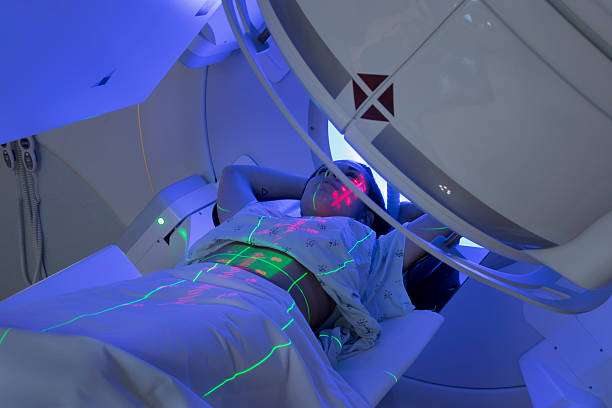
This method employs high-energy rays to target and destroy cancerous cells. Radiation therapy is often used alone or alongside other treatments like surgery for enhanced effectiveness.
- Symptoms/causes: Patients might experience localized pain or swelling indicative of tumors.
- Diagnosis: A thorough assessment including imaging scans helps in establishing the need for radiation therapy.
- Treatment options: Treatment plans are personalized; options may include external beam radiation or brachytherapy depending on the cancer type.
- Management: Healthcare teams provide detailed instructions on skin care and managing any side effects associated with therapy.
- What to expect: Patients may experience fatigue and skin changes, which usually resolve post-treatment.
This therapy is instrumental in shrinking tumors and alleviating symptoms associated with certain cancers.
CHEMOTHERAPY
Chemotherapy is a common treatment option for various types of cancer. This method uses powerful drugs to kill cancer cells or slow their growth. It can be administered in many forms, including intravenous, oral, or topical.
- Symptoms/causes: Cancer may cause fatigue, unexplained weight loss, and persistent pain.
- Diagnosis: Diagnosis typically involves imaging tests and biopsy to determine the presence and type of cancer.
- Treatment options: Besides chemotherapy, options may include surgery and radiation therapy.
- Management: Continuous monitoring is essential during treatment to adjust dosages and manage side effects effectively.
- What to expect: Side effects such as nausea or hair loss are common but manageable with proper care.
This treatment can be challenging but plays a vital role in fighting cancer and improving patient outcomes.