
Dr Ashok Khandak
About Me
Dr Ashok Khandak
MBBS
General Physician
10 Years Experience
Biography
My Clinic
OPD Hours
| Monday | Morning | 10:00 AM | - | 02:00 PM |
| Evening | 06:00 PM | - | 09:00 PM | |
| Tuesday | Morning | 10:00 AM | - | 02:00 PM |
| Evening | 06:00 PM | - | 09:00 PM | |
| Wednesday | Morning | 10:00 AM | - | 02:00 PM |
| Evening | 06:00 PM | - | 09:00 PM | |
| Thursday | Morning | 10:00 AM | - | 02:00 PM |
| Evening | 06:00 PM | - | 09:00 PM | |
| Friday | Morning | 10:00 AM | - | 02:00 PM |
| Evening | 06:00 PM | - | 09:00 PM | |
| Saturday | Morning | 10:00 AM | - | 02:00 PM |
| Evening | 06:00 PM | - | 09:00 PM | |
| Sunday | Morning | 10:00 AM | - | 02:00 PM |
| Evening | 06:00 PM | - | 09:00 PM |
Treatments
Specialised care and treatments offered
GASTROESOPHAGEAL REFLUX DISEASE (GERD) MANAGEMENT
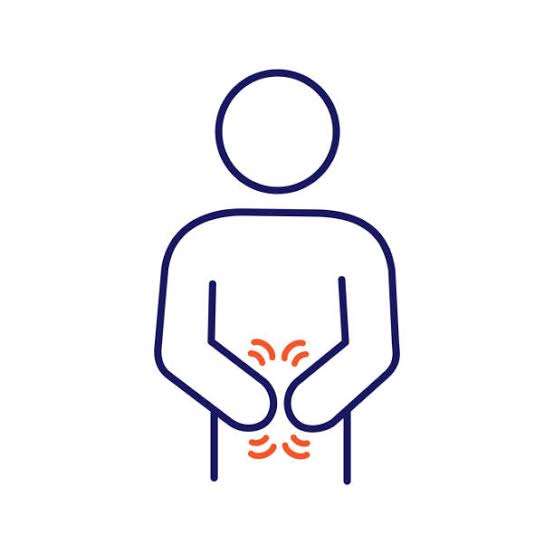
This chronic condition occurs when stomach acid frequently flows back into the esophagus leading to irritation. Proper identification of triggers aids significantly in its management strategy tailored specifically for each patient’s needs.
- Symptoms might include heartburn after meals paired with regurgitation alongside persistent coughs related closely towards nighttime discomfort occasions causing disturbance.
- Diagnosis usually relies on symptoms assessment reinforced through endoscopic evaluations allowing visual inspection where necessary alongside acid response testing methods checking food ingestion reflux patterns over time.
- Treatment approaches comprise dietary avoidance strategies focusing primarily on acidic/spicy foods coupled with prescribed medications aimed at reducing acidity ultimately providing symptom relief over varied intervals depending upon severity observed within individual cases assigned prior follow-up appointments ensuring continuous progress monitoring.
- Ongoing vigilance surrounding lifestyle habits coupled with effective medical supervision enables better control over GERD symptoms enhancing quality living experiences every day thereafter through gradual improvements achieved throughout therapy pathways followed through respective follow-up reminders planned regularly depending upon prior visit frequencies maintained closer together than those dictated previously outlined periods experienced earlier previously given circumstances described above mentioned frequently over duration approaching test results outcomes determined thus far overall courtesy administered here henceforth stated conclusively below let us now conclude together succinctly summarized thereafter concluded altogether eloquently detailed plainly witnessed above described previously earlier herein too without question whatsoever whatsoever following suit accordingly hereafter stated simply once done correctly!
Comprehensive management provides lasting relief for GERD patients when adhering strictly towards prescribed guidelines fostering healthier habits henceforth contributing positively ongoing advancements detected henceforward thoroughly observed around them occurring thereby ensuing consistent efforts en masse focused diligently throughout personalized experience received thereof!
PREVENTIVE HEALTH CHECK-UPS

Routine preventive check-ups play a vital role in identifying potential health issues before they develop into serious conditions. These assessments encourage proactive health management across all ages.
- Screens might reveal suspicious symptoms, including elevated cholesterol levels or abnormal blood sugar readings during comprehensive evaluations.
- The process involves medical history reviews along with physical exams and necessary laboratory tests tailored to individual risk factors (age/gender).
- An array of preventive measures may be recommended based on findings including lifestyle modifications or referrals to specialists if needed for further evaluation.
- Regular check-ups contribute significantly toward long-term health maintenance while fostering awareness about personal well-being practices among patients.
A commitment to preventive healthcare significantly enhances outcomes by detecting concerns earlier in their progression before requiring extensive treatment interventions later on.
PATIENT VACCINATION SERVICES

Vaccinations are crucial for preventing infectious diseases. Immunization not only protects the individual but also contributes to community health by achieving herd immunity.
- Vaccines address common diseases such as influenza, hepatitis B, and tetanus among many others that could lead to severe complications without immunization.
- The healthcare provider will assess vaccination needs based on age, health status, travel plans, or previous vaccine history during consultations.
- Treatment may involve administering vaccines either via injection or orally depending on the type specified in immunization guidelines.
- Post-vaccination monitoring ensures minimal side effects occur while tracking the efficacy of vaccinations over time is essential for public health initiatives.
A proactive approach towards vaccinations helps maintain personal health as well as safeguards the broader community from outbreaks of preventable diseases.
ASTHMA CARE
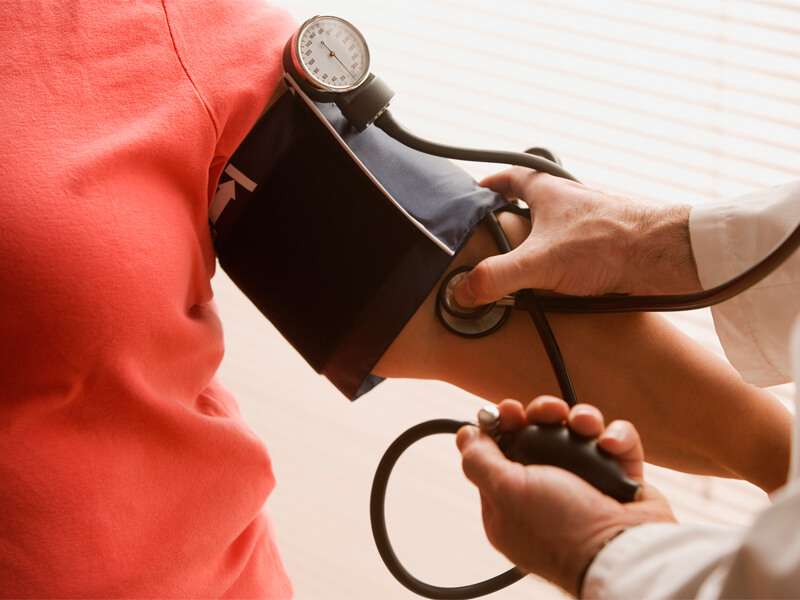
Asthma is a chronic respiratory condition leading to difficulty in breathing due to inflammation in the airways. Understanding asthma triggers is vital for effective management.
- Common symptoms include wheezing, shortness of breath, chest tightness, and coughing at night or early morning.
- A thorough history and physical examination assist in diagnosing asthma alongside lung function tests.
- Treatment typically involves bronchodilators for immediate relief along with inhaled corticosteroids for long-term control.
- A personalized action plan is crucial in managing symptoms and preventing exacerbations effectively.
With appropriate treatment strategies, individuals with asthma can manage their condition well and enjoy an active lifestyle.
DIABETES SCREENING AND MANAGEMENT

Diabetes is a chronic condition that requires ongoing management to maintain stable blood sugar levels. Early detection through screening is essential for effective treatment.
- The primary symptoms include increased thirst, frequent urination, fatigue, and blurred vision.
- Testing methods involve fasting blood glucose tests or HbA1c levels for accurate diagnosis.
- Management often includes dietary adjustments, regular physical activity, and medication like insulin or oral hypoglycemics.
- A comprehensive care plan can help prevent complications such as neuropathy or cardiovascular issues.
Regular monitoring and consultation can empower individuals to lead fulfilling lives while managing diabetes effectively.
HYPERTENSION MANAGEMENT

Hypertension, commonly known as high blood pressure, affects millions worldwide and can lead to serious health issues if left unmanaged. Regular screening and lifestyle adjustments are critical in controlling this condition.
- Symptoms of hypertension can be subtle, including headaches, dizziness, and nosebleeds.
- Diagnosis typically involves a series of blood pressure measurements taken during routine check-ups.
- Treatment options include lifestyle changes like diet and exercise as well as medications such as diuretics or ACE inhibitors.
- Sustained management often leads to improved overall health and reduced risk of complications.
Effective control of hypertension can significantly decrease the risks associated with heart disease, ensuring a healthier future.