
Dr Ashok Kumar S
About Me
Dr Ashok Kumar S
MBBS
General Physician
10 Years Experience
Biography
My Clinic
OPD Hours
| Monday | Morning | 10:00 AM | - | 02:00 PM |
| Evening | 06:00 PM | - | 09:00 PM | |
| Tuesday | Morning | 10:00 AM | - | 02:00 PM |
| Evening | 06:00 PM | - | 09:00 PM | |
| Wednesday | Morning | 10:00 AM | - | 02:00 PM |
| Evening | 06:00 PM | - | 09:00 PM | |
| Thursday | Morning | 10:00 AM | - | 02:00 PM |
| Evening | 06:00 PM | - | 09:00 PM | |
| Friday | Morning | 10:00 AM | - | 02:00 PM |
| Evening | 06:00 PM | - | 09:00 PM | |
| Saturday | Morning | 10:00 AM | - | 02:00 PM |
| Evening | 06:00 PM | - | 09:00 PM | |
| Sunday | Morning | 10:00 AM | - | 02:00 PM |
| Evening | 06:00 PM | - | 09:00 PM |
Treatments
Specialised care and treatments offered
ANEMIA MANAGEMENT

Anemia involves a reduction in red blood cells or hemoglobin which limits oxygen transport throughout the body. Understanding its types helps dictate appropriate interventions.
- Symptoms: Fatigue, weakness, pale skin coloration are typical signs indicating anemia may be present.
- Types & Causes: Iron deficiency anemia stems from inadequate iron intake while vitamin deficiency anemia results from insufficient vitamin B12 or folate consumption.
- < stronglyDiagnosis: A complete blood count (CBC) provides insight into red blood cell count allowing differentiation among various anemia types.
- < stronglyTreatment Options: Supplementation alongside dietary adjustments forms the cornerstone of managing most anemia cases successfully.< / lit/ id =
CHOLESTEROL MANAGEMENT
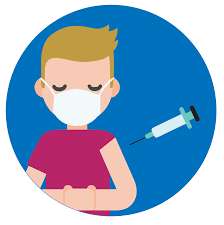
Total cholesterol levels are vital indicators of heart health. Abnormal cholesterol can increase cardiovascular disease risk.
- Symptoms: High cholesterol usually presents no immediate symptoms but increases long-term health risks including heart attacks.
- Causative Factors: Poor diet high in saturated fats, lack of exercise, smoking habits contribute significantly to elevated cholesterol levels.
- Diagnosis: A simple blood test measures lipid profiles revealing total cholesterol levels alongside LDL and HDL counts.
- Management Strategies: Lifestyle adjustments such as eating a balanced diet rich in fiber alongside prescribed statin therapy may be recommended.
- Follow-Up Care: Regular cholesterol screenings allow tracking progress; maintaining healthy levels enhances overall cardiac function.
A proactive approach towards cholesterol management solidifies future health benefits significantly over time.
RESPIRATORY INFECTIONS TREATMENT
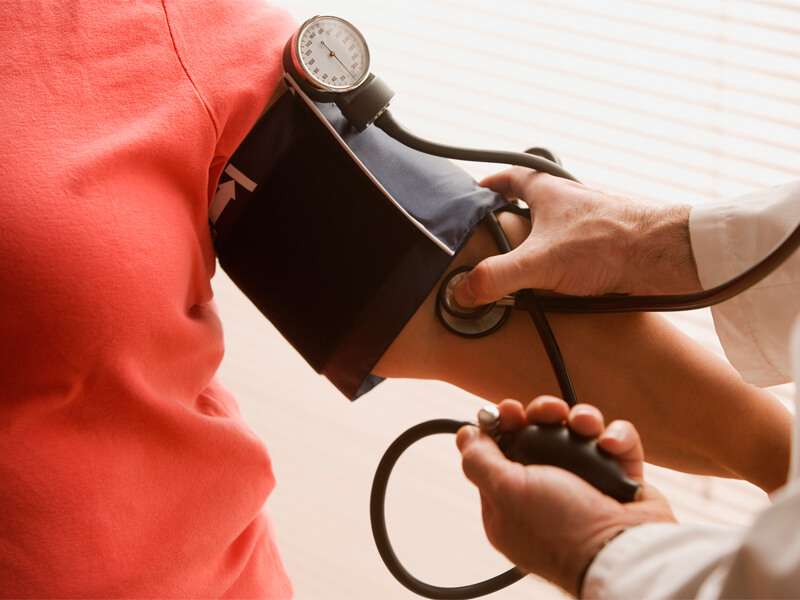
Respiratory infections impact the airways and lungs, leading to various symptoms. Understanding these infections helps in effective treatment planning.
- Common Symptoms: Coughing, wheezing, chest pain, and difficulty breathing are prevalent signs indicating respiratory issues.
- Causative Factors: Viral or bacterial infections often play a role; allergens can also trigger symptoms in sensitive individuals.
- Differential Diagnosis:
DIABETES CARE

Diabetes is a chronic condition affecting how your body processes glucose. Proper management is crucial for preventing complications like nerve damage and cardiovascular issues.
- Symptoms: Increased thirst, frequent urination, extreme fatigue, and blurred vision are common indicators of diabetes.
- Causes: Type 1 diabetes is often due to genetic factors while Type 2 can arise from lifestyle choices such as poor diet and inactivity.
- Diagnosis:
HYPERTENSION MANAGEMENT
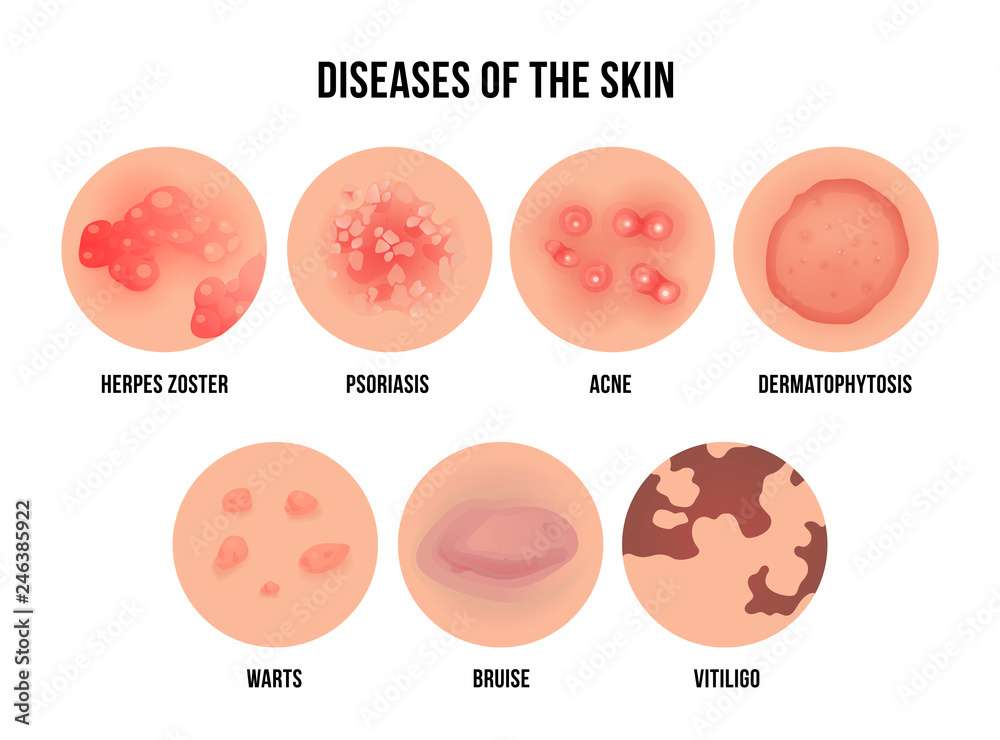
Hypertension, or high blood pressure, is a common condition that can lead to serious health problems if left untreated. It's essential to manage hypertension effectively to reduce the risk of heart disease and stroke.
- Common Symptoms: Many individuals may not notice symptoms; however, headaches, shortness of breath, and nosebleeds can occur in severe cases.
- Causes: Factors contributing to hypertension include genetics, obesity, excessive alcohol intake, and lack of physical activity.
- Diagnosis: Blood pressure readings are taken using a sphygmomanometer during a routine check-up or at medical appointments.
- Treatment Options: Lifestyle changes such as a low-sodium diet, regular exercise, and medications may be prescribed to control blood pressure levels.
- What to Expect: Regular monitoring and follow-up appointments will help track progress and adjust treatments as needed.
Effective management of hypertension can lead to improved overall health and well-being.