
DR Ashok Kumar Sh
About Me
DR Ashok Kumar Sh
MS
Orthopaedic Surgeons
10 Years Experience
Biography
My Clinic
OPD Hours
| Monday | Morning | 10:00 AM | - | 02:00 PM |
| Evening | 06:00 PM | - | 09:00 PM | |
| Tuesday | Morning | 10:00 AM | - | 02:00 PM |
| Evening | 06:00 PM | - | 09:00 PM | |
| Wednesday | Morning | 10:00 AM | - | 02:00 PM |
| Evening | 06:00 PM | - | 09:00 PM | |
| Thursday | Morning | 10:00 AM | - | 02:00 PM |
| Evening | 06:00 PM | - | 09:00 PM | |
| Friday | Morning | 10:00 AM | - | 02:00 PM |
| Evening | 06:00 PM | - | 09:00 PM | |
| Saturday | Morning | 10:00 AM | - | 02:00 PM |
| Evening | 06:00 PM | - | 09:00 PM | |
| Sunday | Morning | 10:00 AM | - | 02:00 PM |
| Evening | 06:00 PM | - | 09:00 PM |
Treatments
Specialised care and treatments offered
CARPAL TUNNEL RELEASE SURGERY
This outpatient procedure alleviates pressure on the median nerve which runs through the wrist within a confined space called the carpal tunnel. When this nerve becomes compressed due to repetitive use or underlying medical conditions, it results in painful symptoms impacting daily activities negatively if not addressed promptly enough!
The most typical signs involve tingling & numbness felt across fingers extending predominantly towards thumb-index regions only worsening over time showcasing definitive need early intervention being sought after any noticeable symptom onset rather than waiting until matters escalate further...MINIMALLY INVASIVE SPINE SURGERY
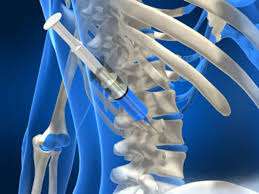
This specialized surgical approach addresses spinal conditions using smaller incisions than traditional methods. Minimally invasive spine surgery aims at reducing tissue damage during procedures such as discectomy or spinal fusion while promoting quicker recovery times for patients afflicted by back pain or herniated discs among other conditions affecting their spines directly!
- The most prevalent symptoms include persistent back pain radiating down limbs alongside weakness & numbness sensations felt when pressure mounts on surrounding nerves leading up towards crucial areas requiring intervention like potentially debilitating bulging discs causing serious complication risks if left untreated long-term-wise...
TENDON REPAIR SURGERY

Tendon repair surgery aims to restore normal function by reconnecting torn tendons. This procedure helps individuals regain strength in their muscles and avoid long-term disabilities often associated with injury-induced pain or immobility.
- Causative Factors: Acute injuries or degenerative changes over time are common reasons people suffer tendon damage leading them toward surgical options.
- Surgical Techniques: Surgeons may employ arthroscopic techniques to minimize scar tissue formation during repair procedures where applicable.
- Post-Operative Recovery: Patients will usually engage in rehabilitation exercises post-surgery to ensure optimal healing and regain functionality quickly.
The goal of tendon repair surgery is not only restoration of movement but also substantial reduction in discomfort related to tendon injuries over time as well as enhancing quality of life overall once healed properly!
JOINT INJECTIONS

Joint injections provide targeted relief of pain and inflammation through direct application of corticosteroids or hyaluronic acid into specific joints. This method is particularly useful for patients experiencing chronic conditions like arthritis or bursitis.
- Symptoms Treated: Patients report severe joint pain, swelling, and decreased range of motion prior to receiving injections.
- Diagnosis Process: A thorough examination along with imaging studies helps guide injection decisions.
- Treatment Benefits: Injections can provide significant relief from pain and swelling immediately after administration in many cases.
- Pain Management: The procedure is quick, often performed under local anesthesia with minimal recovery time afterward.
This intervention can dramatically improve daily function for individuals suffering from debilitating joint problems while postponing more invasive surgeries when possible.
PLATELET-RICH PLASMA (PRP) THERAPY

PRP therapy is an innovative treatment approach utilizing components derived from the patient’s own blood to promote healing in injured tissues. It harnesses growth factors that accelerate recovery and enhance tissue regeneration.
- Indications: Often used for tendon injuries, arthritis, or muscle strains due to its healing properties.
- Procedure: Blood is drawn from the patient, processed to concentrate platelets, and injected into the affected area under guided imaging.
- Benefits: Reduces inflammation and promotes faster healing without the need for extensive surgery.
- Expectations: Patients typically notice improvement within weeks after treatment with minimal downtime required.
This cutting-edge therapy presents a safe alternative for those looking to mitigate chronic pain or recover from injuries effectively.
ARTHROSCOPY

Arthroscopy is a minimally invasive surgical procedure used to examine and treat joint problems. This technique allows for visualization inside the joint using a small camera, enabling precise diagnosis and treatment without the need for large incisions.
- Symptoms: Patients often experience joint pain, swelling, and stiffness.
- Diagnosis: Physicians use imaging tests like MRI or X-rays in conjunction with the arthroscope to get a comprehensive view.
- Treatment Options: Conditions such as meniscus tears, ligament injuries, or loose bodies can be treated during the procedure.
- Recovery: Most patients can return home the same day and may experience mild discomfort that can be managed with medication.
Overall, arthroscopy significantly reduces recovery time compared to traditional open surgery while providing effective treatment options for various joint issues.