
Dr Ashok Mittal
About Me
Dr Ashok Mittal
Dermatologist
Biography
My Clinic
OPD Hours
| Monday | Morning | 10:00 AM | - | 02:00 PM |
| Evening | 06:00 PM | - | 09:00 PM | |
| Tuesday | Morning | 10:00 AM | - | 02:00 PM |
| Evening | 06:00 PM | - | 09:00 PM | |
| Wednesday | Morning | 10:00 AM | - | 02:00 PM |
| Evening | 06:00 PM | - | 09:00 PM | |
| Thursday | Morning | 10:00 AM | - | 02:00 PM |
| Evening | 06:00 PM | - | 09:00 PM | |
| Friday | Morning | 10:00 AM | - | 02:00 PM |
| Evening | 06:00 PM | - | 09:00 PM | |
| Saturday | Morning | 10:00 AM | - | 02:00 PM |
| Evening | 06:00 PM | - | 09:00 PM | |
| Sunday | Morning | 10:00 AM | - | 02:00 PM |
| Evening | 06:00 PM | - | 09:00 PM |
Treatments
Specialised care and treatments offered
MELASMA
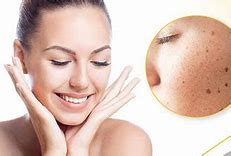
This is a common pigmentation disorder resulting in brownish discoloration mainly on sun-exposed areas of the face. Though not harmful physically it often generates cosmetic concerns among those afflicted prompting discussions regarding viable corrective measures available today!
- Symptoms: Typically appears as symmetrical brown patches across cheeks forehead nose temples—especially noticeable during summer months.
- Causes: Hormonal fluctuations notably due pregnancy contraceptive pills have shown increase incidences while UV exposure exacerbates conditions.
- Diagnosis: Healthcare professionals ascertain its presence via evaluating pigmentation patterns typically ruling out other dermatological conditions concurrently.
- Treatment Options:This includes carefully applied topical creams containing hydroquinone tretinoin laser therapies yielding promising results thus far.
- What To Expect:The targeted combination focus addressing root causes directs efforts towards achieving clear outcomes enhancing self-confidence visibly boosting overall morale!
ROSACEA
SKIN ALLERGIES
Skin allergies occur when the immune system reacts abnormally to substances called allergens. This reaction can present with varying degrees of itchiness and rash formation across different body parts depending on exposure levels.
- Symptoms: Common symptoms include redness, swelling, hives, or blisters appearing after contact with an allergen such as specific foods or plants like poison ivy.
Working closely with a specialist ensures you successfully manage your allergies through tailored care that emphasizes prevention!
PSORIASIS
Psoriasis is an autoimmune condition characterized by rapid skin cell production leading to thickened patches on the skin. These patches can be uncomfortable and are often misunderstood as merely a cosmetic issue.
- Symptoms: Common features include red patches covered with silvery scales that can appear anywhere on the body but are most common on elbows, knees, and the scalp.
- Causes: The exact cause remains unclear; however, genetic predisposition combined with environmental factors often contributes to its onset.
- Diagnosis: Dermatologists diagnose psoriasis via physical examination of lesions; sometimes a biopsy may be performed for confirmation.
- Treatment Options: Management strategies might involve topical therapies like corticosteroids or vitamin D analogues, phototherapy techniques, or systemic medications for more severe cases.
- What to Expect: Regular follow-up appointments will help monitor the response to treatment while adjusting strategies as necessary for optimum control of symptoms.
Caring for your skin holistically enhances both comfort levels and improves overall well-being when dealing with psoriasis.
ECZEMA
Eczema is a chronic inflammatory skin condition that results in itchy, red patches. It's prevalent in children but can affect individuals at any age. Managing eczema involves understanding its triggers and implementing appropriate skincare routines.
- Symptoms: Symptoms typically include dry skin, intense itching, and visible redness or swelling in affected areas.
- Causes: It may be caused by genetic factors or environmental irritants such as certain soaps or fabrics.
- Diagnosis: Dermatologists diagnose eczema through thorough assessment of symptoms and family history to determine potential allergens or irritants.
- Treatment Options: Treatment primarily includes moisturizers to hydrate the skin and topical corticosteroids to reduce inflammation; identifying personal triggers is imperative for long-term relief.
- What to Expect: While eczema can be persistently irritating, consistent care can lead to significant improvement in skin health over time.
A tailored approach to symptom management will yield the best results in controlling eczema flare-ups effectively.
ACNE
Acne is one of the most common skin conditions affecting individuals worldwide, particularly during adolescence. It occurs when hair follicles become clogged with oil and dead skin cells, leading to inflammation and the formation of pimples.
- Symptoms: Common signs include whiteheads, blackheads, and cystic lesions on the face, back, and shoulders.
- Causes: Factors like hormonal changes, certain medications, and excess oil production can trigger acne flare-ups.
- Diagnosis: A dermatologist evaluates the skin's condition through visual examination and may inquire about medical history to identify potential triggers.
- Treatment Options: Management typically includes topical treatments like retinoids and benzoyl peroxide, oral medications such as antibiotics or hormonal therapy, and lifestyle modifications like diet adjustments.
- What to Expect: With proper treatment, improvements in skin appearance often occur within a few weeks; however, some cases may take longer to resolve completely.
Understanding this condition is essential for effective treatment; seeking guidance from a qualified dermatologist can significantly aid in managing symptoms.