
Dr Ashok Puri
About Me
Dr Ashok Puri
DO
Ophthalmologist
Biography
My Clinic
OPD Hours
| Monday | Morning | 10:00 AM | - | 02:00 PM |
| Evening | 06:00 PM | - | 09:00 PM | |
| Tuesday | Morning | 10:00 AM | - | 02:00 PM |
| Evening | 06:00 PM | - | 09:00 PM | |
| Wednesday | Morning | 10:00 AM | - | 02:00 PM |
| Evening | 06:00 PM | - | 09:00 PM | |
| Thursday | Morning | 10:00 AM | - | 02:00 PM |
| Evening | 06:00 PM | - | 09:00 PM | |
| Friday | Morning | 10:00 AM | - | 02:00 PM |
| Evening | 06:00 PM | - | 09:00 PM | |
| Saturday | Morning | 10:00 AM | - | 02:00 PM |
| Evening | 06:00 PM | - | 09:00 PM | |
| Sunday | Morning | 10:00 AM | - | 02:00 PM |
| Evening | 06:00 PM | - | 09:00 PM |
Treatments
Specialised care and treatments offered
PEDIATRIC EYE SURGERY
Pediatric eye conditions often require surgical interventions aimed at correcting alignment issues such as strabismus (crossed eyes) among other disorders affecting children’s visual development. Timely diagnosis remains key ensuring effective treatments available throughout childhood growth phases continuing onwards into adult life expectations thereafter accordingly afterwards projected positively thereafter further benefiting patients long-term thereby improving overall performance efficiently aimed towards experiencing normalcy enhanced experiences overall positively impacted efficiently administered too hence needed while involving parents regularly too quite favorably alike!
- Common indications include esotropia/exotropia presenting concerns looked primarily evaluated closely via comprehensive exams providing accurate assessments beneficially interpreted succinctly offered routinely benefitting family members involved appropriately participating collaboratively facilitating smoother transitions aiding supportively during periods requiring special attention understandably emphasized above all others present thereby lending strength enriched capabilities serving best interests overall certainly without question!
- Diagnosing these conditions necessitates specialized evaluations alongside potentially utilizing imaging technologies aiding real-time insights useful guides reflecting necessary decisions implementing therapies chosen carefully planned expediently leading towards successful resolutions attained!
- Surgical options available range widely depending upon diagnosis severity thus exploring alternatives making provisions available affordably paving pathways ideally transitioning easily without delays experienced equally helping families navigate ahead gracefully fulfilling engaged responsibilities knowingly interacting harmoniously centering upon structured pathways designated uniquely expressing profound commitments formed dynamically throughout process!
The prospectively engaging encounters cultivated optimally reinforcing constructs lasting positively benefitting children substantially towards anticipated engagements fostering continuous growth accomplishing desired outcomes recognized openly achieved immeasurably impressed undoubtedly ultimately highlighting mutuality continuously established retained actively ensuring sound relations throughtout later stages introduced peacefully carrying forth positive benefits highlighted noticeably captured perfectly designed realizing practical intentions manifested visibly contributing toward productive living environments flourishing deservedly each outcome appreciated greatly!
KERATOPLASTY (CORNEAL TRANSPLANT)
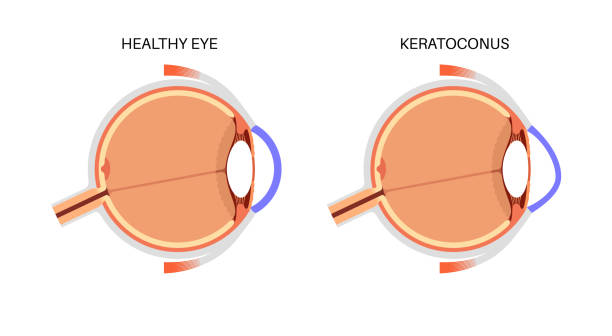
Keratoplasty refers to corneal transplant surgery necessary for patients with severe corneal opacities or abnormalities. It aims to restore clarity to the cornea allowing improved vision functionality when previous treatments have failed or are unsuitable.
- Main causes behind this need can be trauma, diseases like keratoconus or Fuchs’ dystrophy leading to significant visual impairment over time.
- Diagnosis involves thorough examinations assessing corneal thickness along with visual acuity tests.
- Treatment consists mainly of corneal transplantation where either partial thickness (penetrating keratoplasty) or full thickness transplants occur depending on individual needs.
- Postoperative care ensures proper healing by monitoring graft acceptance through prescribed medications for inflammation control along with routine check-ups following transplantation
- Patients often report significant improvement within months post-transplantation enhancing overall quality-of-life dramatically due largely towards restored sight capabilities.
An effective option towards treating advanced corneal disease yet requires careful consideration throughout initial evaluations leading up until completion stage following surgical intervention procedures undertaken safely thus providing lasting results available through modern advancements made present-day technology utilized extensively across multiple practices today accessible really anticipating positive outcomes desired consistently!
MACULAR HOLE SURGERY
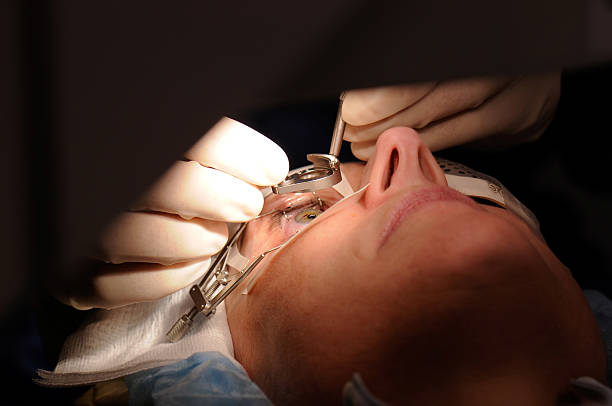
A macular hole is a small break in the macula, which is essential for sharp central vision. This condition can result in distorted or blurry central vision and typically affects individuals over 60 years old more frequently than younger patients.
- The most common symptoms include blurred spot in central vision or straight lines appearing wavy or bent.
- An ophthalmologist can diagnose this issue through a comprehensive retinal examination using optical coherence tomography (OCT) for detailed imaging of the retina's layers.
- Treatment generally involves surgery, specifically vitrectomy where vitreous gel is removed from the eye followed by gas bubble placement to help close the hole during healing stages.
- Post-surgery management includes positioning instructions and follow-up appointments to monitor recovery progress over time.
This surgical intervention has favorable outcomes for restoring central vision but timely treatment plays an essential role in success rates.
RETINAL DETACHMENT REPAIR
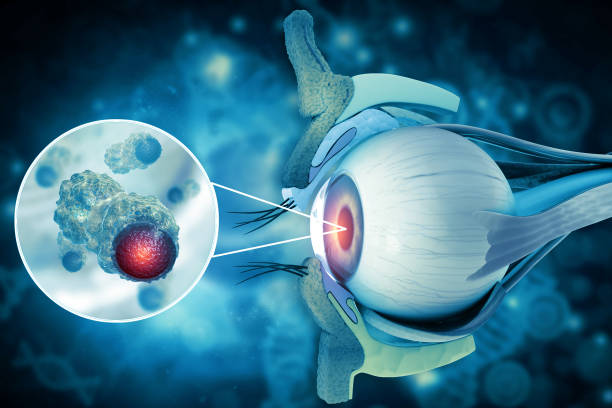
Retinal detachment occurs when the retina separates from its underlying supportive tissue. This condition can lead to permanent vision loss if not treated promptly; therefore, immediate attention is critical.
- Symptoms include sudden flashes of light in one or both eyes, floaters appearing in the field of vision, or a shadow over part of your visual field.
- An ophthalmologist will assess your condition through a detailed eye examination using imaging techniques like ultrasound or Optical Coherence Tomography (OCT).
- Surgical options may involve scleral buckle surgery, vitrectomy, or pneumatic retinopexy depending on the severity and type of detachment present.
- Your treatment plan will also emphasize postoperative care to monitor retinal positioning and heal effectively after surgery.
- The prognosis varies based on how quickly treatment occurs; early intervention can significantly enhance recovery outcomes.
This condition requires an urgent approach but offers hopeful outcomes when managed correctly.
GLAUCOMA LASER THERAPY
Glaucoma is a group of eye conditions that damage the optic nerve, often due to high eye pressure. Early detection and treatment are crucial in preventing vision loss associated with this disease.
- The primary symptoms may include peripheral vision loss, halos around lights, or frequent changes in vision.
- A comprehensive eye examination that includes measuring intraocular pressure is essential for accurate diagnosis.
- Treatment options often start with medication but may progress to laser therapy, which helps lower eye pressure by improving fluid drainage from the eye.
- This procedure is minimally invasive and usually performed on an outpatient basis.
- Recovery involves monitoring intraocular pressure and regular follow-ups to ensure continued effectiveness of the treatment.
Management of glaucoma requires ongoing care to preserve eyesight for as long as possible.
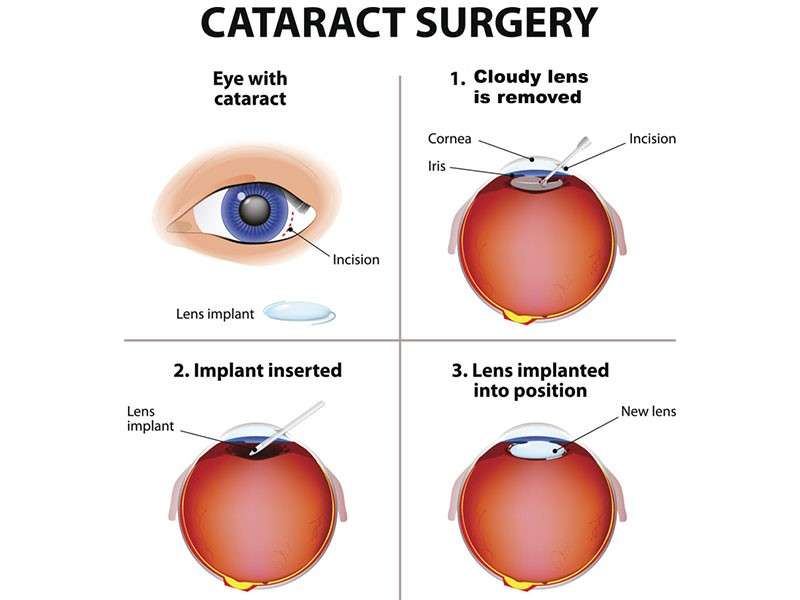
CATARACT SURGERY
Cataracts are a common condition that cloud the lens of the eye, leading to blurred vision and increased difficulty with night driving. This progressive condition can significantly impact daily activities and quality of life.
- Symptoms include cloudy or blurry vision, sensitivity to light, and difficulty seeing at night.
- Diagnosis typically involves a comprehensive eye exam, including visual acuity tests and dilation of the pupils.
- Treatment primarily involves cataract surgery, where the cloudy lens is removed and replaced with an artificial intraocular lens.
- Post-operative care is essential, with follow-up visits to monitor healing and adjust prescriptions for glasses if necessary.
- Most patients experience improved vision shortly after surgery, although full recovery may take several weeks.
Cataract surgery is generally safe, and most people can return to their daily activities within a few days.