
Dr Ashok Roopchan
About Me
Dr Ashok Roopchan
MD
Dermatologist
Biography
My Clinic
OPD Hours
| Monday | Morning | 10:00 AM | - | 02:00 PM |
| Evening | 06:00 PM | - | 09:00 PM | |
| Tuesday | Morning | 10:00 AM | - | 02:00 PM |
| Evening | 06:00 PM | - | 09:00 PM | |
| Wednesday | Morning | 10:00 AM | - | 02:00 PM |
| Evening | 06:00 PM | - | 09:00 PM | |
| Thursday | Morning | 10:00 AM | - | 02:00 PM |
| Evening | 06:00 PM | - | 09:00 PM | |
| Friday | Morning | 10:00 AM | - | 02:00 PM |
| Evening | 06:00 PM | - | 09:00 PM | |
| Saturday | Morning | 10:00 AM | - | 02:00 PM |
| Evening | 06:00 PM | - | 09:00 PM | |
| Sunday | Morning | 10:00 AM | - | 02:00 PM |
| Evening | 06:00 PM | - | 09:00 PM |
Treatments
Specialised care and treatments offered
WARTS TREATMENT
Warts are benign growths caused by human papillomavirus (HPV). They are common in various areas including hands and feet but usually do not pose health risks apart from cosmetic concerns.
- The appearance of warts varies; they may appear raised with rough surfaces on hands while plantar warts develop within foot soles causing discomfort when walking
- The virus responsible spreads through direct contact; certain HPV strains trigger different wart types based on location
- A dermatologist conducts evaluations particularly if warts change shape/size rapidly which could indicate potential complications.
- Treatment methods include cryotherapy (freezing), salicylic acid preparations applied topically for gradual removal around targeted areas,
- In some instances minor surgical excisions become necessary especially concerning bothersome locations worsening overall output due beauty perspectives.
- The number required sessions highly depends upon individual responses along makes ongoing communication vital ensuring optimal results throughout course duration!
A proactive approach helps manage unwanted growths effectively leading patients close their desired aesthetic outcomes without undue distress!
SKIN CANCER SCREENING
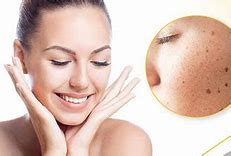
A regular skin cancer screening is crucial for early detection of potentially harmful growths. It involves examining moles or unusual lesions for any suspicious changes over time.
- Signs to watch for : Key features include asymmetry in moles' shapes/colors; irregular borders; changing sizes; new growths appearing suddenly.
- Importance : Early detection plays an essential role in increasing survival rates—finding melanoma at earlier stages significantly influences prognosis positively.
- Diagnostic methods : Dermatologists perform visual checks followed by biopsies if needed—lab tests help ascertain whether cells are malignant or benign.
- Follow-up care : Depending on results from screenings/biopsies; further monitoring/treatment strategies will likely be discussed based on findings—early surgery might mitigate risks associated with possible malignancies greatly!
Your vigilance through regular screenings could save your life—schedule yours today!
ROSACEA
Rosacea is a chronic facial condition characterized by flushing redness primarily on the cheeks and nose. This often leads to visible blood vessels and pimple-like lesions over time.
- Symptoms : Signs typically include persistent redness in the central face area; it may progress to visible blood vessels or bumps resembling acne.
- Causes : While its exact cause remains unknown, rosacea may be linked to hereditary factors and environmental triggers such as sun exposure.
- Diagnosis : Dermatologists usually diagnose rosacea based on clinical examination while ruling out other potential conditions presenting similar symptoms.
- Treatment options : Management includes topical medications like metronidazole or azelaic acid along with lifestyle modifications aimed at minimizing flare-ups.
- Expectations during treatment : Continuous management helps control symptoms effectively; understanding personal triggers also aids in managing flare-up frequency.
An informed approach toward rosacea treatment encourages better outcomes for affected individuals living daily with this condition.
ACNE
Acne is one of the most prevalent skin conditions affecting individuals during adolescence and beyond. It occurs when hair follicles become clogged with oil and dead skin cells.
- Symptoms: Indicators include whiteheads, blackheads, pimples, cysts on the face or body; these can lead to scarring if not treated appropriately.
- Causes: Hormonal changes during puberty or menstruation are common culprits; bacteria on the skin can also contribute to acne development.
- Diagnosis: Diagnosis typically involves visual inspection by a dermatologist who assesses severity based on type and number of lesions present.
- Treatment options: Treatments may include topical retinoids for mild cases or oral medications for more severe cases; lifestyle adjustments are also recommended.
- A lasting solution: Though acne can be persistent, many effective treatment plans exist that can help achieve clear skin over time with ongoing care.
Catching acne early can minimize its impact on your self-esteem and appearance in the long run.
ECZEMA
Eczema, also known as atopic dermatitis, is a chronic inflammatory skin condition characterized by dry, itchy patches. It's common among children but can persist into adulthood or appear later in life.
- Symptoms: Common indicators include dry or scaly skin, intense itchiness, redness, and areas of inflammation that may ooze when scratched.
- Causes: Triggers often involve environmental factors such as allergens or irritants, as well as genetic predisposition.
- Diagnosis: Diagnosis generally involves an assessment by a dermatologist who will evaluate symptoms and review family history for any related conditions.
- Treatment options: Options include moisturizing ointments, topical corticosteroids to manage flares, and avoiding known triggers.
- Long-term management: It is essential to establish a tailored skincare routine to minimize flare-ups and maintain healthy skin barrier function.
Understanding your eczema triggers can lead to more effective management strategies over time.
PSORIASIS
Psoriasis is a chronic autoimmune condition that speeds up the life cycle of skin cells, leading to thick, red patches covered with white scales. It can significantly impact quality of life and may require ongoing management.
- Symptoms: Typical signs include red patches of skin, silvery scales, dry and cracked skin that may bleed, itching or burning sensations.
- Causes: The exact cause isn't fully understood but is believed to involve genetics and an immune system problem that triggers inflammation.
- Diagnosis: A dermatologist typically diagnoses psoriasis through physical examination and medical history; sometimes a skin biopsy might be necessary.
- Treatment options: Management can include topical treatments like corticosteroids, phototherapy, and systemic medications that target the immune response.
- What to expect: While psoriasis is manageable, it often requires long-term commitment to treatment strategies to control flare-ups.
If you are experiencing symptoms of psoriasis, early intervention can improve your results and comfort.