
Dr Ashokas Phys
About Me
Dr Ashokas Phys
MBBS
Therapist
10 Years Experience
Biography
My Clinic
OPD Hours
| Monday | Morning | 10:00 AM | - | 02:00 PM |
| Evening | 06:00 PM | - | 09:00 PM | |
| Tuesday | Morning | 10:00 AM | - | 02:00 PM |
| Evening | 06:00 PM | - | 09:00 PM | |
| Wednesday | Morning | 10:00 AM | - | 02:00 PM |
| Evening | 06:00 PM | - | 09:00 PM | |
| Thursday | Morning | 10:00 AM | - | 02:00 PM |
| Evening | 06:00 PM | - | 09:00 PM | |
| Friday | Morning | 10:00 AM | - | 02:00 PM |
| Evening | 06:00 PM | - | 09:00 PM | |
| Saturday | Morning | 10:00 AM | - | 02:00 PM |
| Evening | 06:00 PM | - | 09:00 PM | |
| Sunday | Morning | 10:00 AM | - | 02:00 PM |
| Evening | 06:00 PM | - | 09:00 PM |
Treatments
Specialised care and treatments offered
ACUTE ANXIETY ATTACK
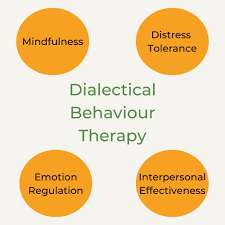
An acute anxiety attack manifests as sudden overwhelming apprehension often accompanied by considerable physiological reactions. Recognizing features aids prompt supportive measures mitigating distress rapidly during these episodes.
- Common symptoms comprise chest tightness; heart palpitations; dizziness; sweating; numbness/tingling sensations corresponding to fight-or-flight activation.
- Assessment revolves around excluding medical causes presenting similarly like cardiac conditions requiring differential diagnostics.
- Interventions focus initially on breathing exercises; grounding techniques; reassurance calming nervous system activation appropriately.
- Short-term anxiolytics may be administered cautiously when non-pharmacological methods fail providing symptomatic relief supervised closely by therapists.
- Diversified long-term management plans emphasize lifestyle adjustment including exercise routines; balanced nutrition aiming reducing overall anxiety threshold preventing recurrence effectively.
Efficacious treatment depends on prompt identification combined with personalized approaches fostering patient confidence in handling future acute anxiety attacks constructively avoiding escalation occurrences prematurely.
OBSESSIVE-COMPULSIVE DISORDER (OCD)
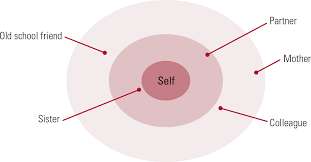
This anxiety-related condition involves persistent unwanted thoughts (obsessions) coupled with repetitive behaviors (compulsions) aimed at reducing distress caused by those obsessions. OCD requires attentive treatment due to its impactful nature on daily living activities.
- Symptoms encompass intrusive doubts about contamination or safety; repeated checking; counting; hand washing; mental rituals causing time-consuming routines.
- Diagnosis depends on identifying these obsessions-compulsions cycles through structured interviews emphasizing duration over one hour daily exerting notable impairment.
- Therapeutic approaches mainly involve cognitive-behavioral therapy employing exposure with response prevention techniques helping patients resist compulsions.
- Pharmacological interventions include SSRIs facilitating neurotransmitter regulation reducing obsessive thoughts’ intensity.
- Support networks encourage adherence improving overall prognosis enhancing quality of life progressively.
Despite chronicity potential if managed properly via multidisciplinary plans incorporating psychotherapy plus medication deliver substantial symptom remission enabling productive lives.
POST-TRAUMATIC STRESS DISORDER (PTSD)
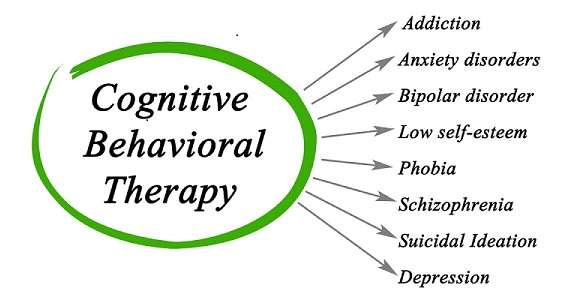
PTSD develops after experiencing or witnessing life-threatening events such as accidents, violence, or disasters. It profoundly affects mental health through lasting intrusive memories and heightened arousal states.
- Main symptoms are flashbacks, nightmares, avoidance behaviors concerning trauma reminders, hypervigilance, and mood disturbances like depression or irritability.
- A detailed clinical evaluation assesses symptom duration exceeding one month alongside their severity impacting social or occupational roles for diagnosis confirmation.
- Treatment combines trauma-focused psychotherapies like eye movement desensitization reprocessing (EMDR) or cognitive processing therapy (CPT).
- Meds such as SSRIs serve as adjuncts reducing associated depression/anxiety in selected cases under monitoring protocols by therapists.
- The recovery timeline varies but early intervention considerably improves long-term outcomes by decreasing chronic symptom persistence risks.
An individualized care plan addressing psychological trauma facilitates functional restoration enabling survivors to regain control over their lives progressively.
ADJUSTMENT DISORDER
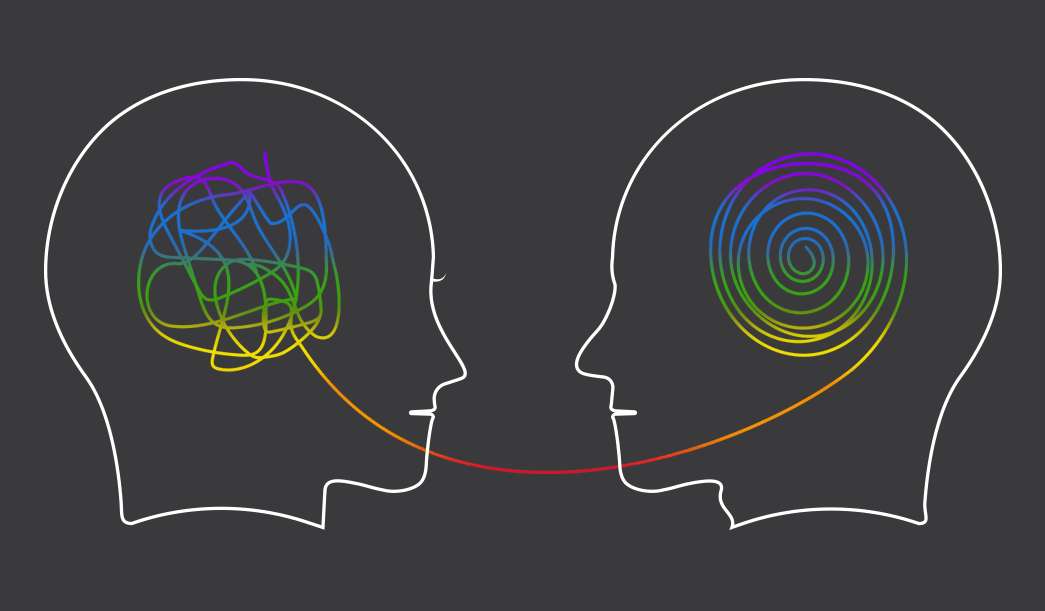
This condition arises when an individual experiences difficulty adapting emotionally or behaviorally after significant life changes or stressful events. Adjustment disorder involves a maladaptive response affecting daily functioning.
- The symptoms include sadness, tearfulness, anxiety, irritability, and withdrawal occurring within three months of the stressor onset.
- A thorough assessment, including psychosocial history and exclusion of other psychiatric disorders, supports diagnosis.
- Therapeutic techniques focus on problem-solving skills training and stress management strategies tailored to the individual's needs.
- Counseling sessions encourage expression of feelings while promoting positive coping mechanisms to handle change effectively.
- If symptoms persist beyond six months without improvement or worsen, further psychiatric evaluation may be needed for alternative diagnoses or treatments.
An understanding environment combined with structured psychological support can help most recover well from adjustment difficulties over time.
PANIC DISORDER
Panic disorder is characterized by recurrent unexpected panic attacks that induce intense fear or discomfort along with physical symptoms. Understanding this disorder helps in managing its impact effectively.
- Typical symptoms encompass palpitations, sweating, trembling, shortness of breath, and a fear of losing control or dying during attacks.
- The diagnosis is established through clinical interviews focusing on attack frequency and avoidance behavior patterns.
- Treatment includes cognitive-behavioral therapy (CBT) which helps patients learn coping skills and identify triggers.
- Medications such as selective serotonin reuptake inhibitors (SSRIs) may be prescribed for symptom relief when necessary.
- The disorder requires ongoing monitoring but has a favorable outcome with consistent therapy adherence.
A comprehensive approach combining therapy and medication typically enables patients to regain normal functioning and reduce panic attack episodes substantially.
ACUTE STRESS REACTION
Acute stress reaction occurs as an immediate psychological response to a sudden traumatic event. This condition can affect anyone facing unexpected distress and is characterized by a range of emotional and physical symptoms.
- Symptoms include anxiety, confusion, agitation, rapid heart rate, and difficulty concentrating.
- Diagnosis is primarily clinical, relying on detailed patient history and symptom evaluation shortly after the triggering event.
- Treatment often involves supportive counseling, rest, and reassurance to help patients regain stability.
- Management may also include short-term medication for severe anxiety if needed under therapist supervision.
- The prognosis is generally good with timely intervention; most individuals recover fully within days to weeks.
Early recognition and compassionate support significantly contribute to faster recovery from acute stress reactions, reducing the risk of progression to longer-lasting disorders.