
Dr Ashutosh Shar
About Me
Dr Ashutosh Shar
MS
Orthopaedic Surgeons
10 Years Experience
Biography
My Clinic
OPD Hours
| Monday | Morning | 10:00 AM | - | 02:00 PM |
| Evening | 06:00 PM | - | 09:00 PM | |
| Tuesday | Morning | 10:00 AM | - | 02:00 PM |
| Evening | 06:00 PM | - | 09:00 PM | |
| Wednesday | Morning | 10:00 AM | - | 02:00 PM |
| Evening | 06:00 PM | - | 09:00 PM | |
| Thursday | Morning | 10:00 AM | - | 02:00 PM |
| Evening | 06:00 PM | - | 09:00 PM | |
| Friday | Morning | 10:00 AM | - | 02:00 PM |
| Evening | 06:00 PM | - | 09:00 PM | |
| Saturday | Morning | 10:00 AM | - | 02:00 PM |
| Evening | 06:00 PM | - | 09:00 PM | |
| Sunday | Morning | 10:00 AM | - | 02:00 PM |
| Evening | 06:00 PM | - | 09:00 PM |
Treatments
Specialised care and treatments offered
HIP REPLACEMENT
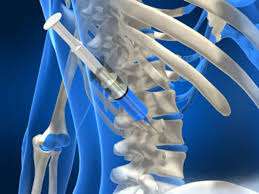
A hip replacement procedure entails replacing damaged hip joints with artificial components. This surgery is commonly performed due to conditions like arthritis that compromise hip functionality over time
.- Sufferers often report persistent chronic pain in the hip area limiting their daily activities.The process begins with detailed evaluations including imaging studies confirming advanced wear.'Surgical intervention becomes viable when conservative treatments fail.', ''Anticipation rehabilitation accompanies surgery facilitating quicker recovery lengths stress optimization.'This procedure generally offers favorable long-term outcomes restoring mobility while easing discomfort.'
The journey toward health following a hip replacement integrates strict adherence towards follow-up care ensuring success!
CARTILAGE DAMAGE
Damage to cartilage can lead to debilitating joint problems such as osteoarthritis. Cartilage serves as cushioning between bones, making its integrity crucial for smooth movement throughout life.
- You might experience symptoms like joint stiffness, swelling after activity, and sharp pains during movement if there's damage present.
- (The diagnosis might be confirmed through arthroscopy or advanced imaging techniques.)
SPINAL DISORDERS

Spinal disorders encompass various conditions affecting the spine's structure or function. They can result from degenerative changes or injuries leading to chronic pain or discomfort in any age group.
- Pain radiating from the back into limbs is a common symptom associated with spinal issues alongside muscle weakness.
- The diagnosis generally requires comprehensive imaging studies like MRIs along with neurological evaluations to ascertain nerve involvement.
- Treatment approaches frequently combine non-surgical methods including physical therapy with more invasive options like injections or surgery if conservative measures fail to provide relief.
A proactive approach in addressing spinal disorders allows individuals to regain mobility and improve their quality of life significantly.
TENDON INJURIES

Tendon injuries occur when tendons become inflamed or torn, often due to overuse or sporting activities. These injuries can significantly impact mobility and functionality.
- Symptoms usually involve pain around the affected joint, swelling, and difficulty with movement tasks involving that tendon.
- Your healthcare provider will likely assess your condition through physical examinations supported by MRI scans for precise evaluation.
- Treatment strategies often include rest, anti-inflammatory medications, and physical therapy focused on strengthening surrounding muscles.
- In some cases, surgery may be necessary for complete tears or chronic conditions affecting daily function.
Aim to follow a comprehensive rehabilitation program post-treatment for optimal recovery outcomes.
FRACTURE MANAGEMENT

A fracture refers to a break in a bone that can occur due to trauma or stress. While fractures can happen at any age, they are especially common among children and the elderly.
- Common symptoms include sudden pain at the site of injury, swelling, and inability to use the affected limb properly.
- Fractures are diagnosed through physical examination and imaging techniques such as X-rays or CT scans.
- Treatment often involves immobilization with casts or splints for simple fractures; complex fractures may require surgical intervention.
- Pain relief measures are also crucial during recovery.
- Rehabilitation exercises will help restore strength and flexibility after healing has taken place.
Your recovery plan will depend on several factors including your overall health and the type of fracture sustained.
ARTHRITIS

Arthritis is a common condition that involves inflammation of the joints, causing pain and stiffness. It can affect people of all ages, but it is particularly prevalent among seniors.
- Symptoms may include joint pain, swelling, and decreased range of motion.
- The diagnosis typically involves physical examinations and imaging tests such as X-rays or MRIs.
- Treatment options can range from medications to manage pain and inflammation to physical therapy aimed at improving joint function.
- Surgical options, like joint replacement, are available for severe cases where other treatments are ineffective.
- It's essential to maintain a healthy lifestyle with proper nutrition and exercise to manage arthritis effectively.
Understanding arthritis is crucial for effective management and maintaining quality of life.