
Dr Ashvith Shetty
About Me
Dr Ashvith Shetty
Dermatologist
Biography
My Clinic
OPD Hours
| Tuesday | Morning | 10:00 AM | - | 02:00 PM |
| Evening | 06:00 PM | - | 09:00 PM | |
| Wednesday | Morning | 10:00 AM | - | 02:00 PM |
| Evening | 06:00 PM | - | 09:00 PM | |
| Thursday | Morning | 10:00 AM | - | 02:00 PM |
| Evening | 06:00 PM | - | 09:00 PM | |
| Friday | Morning | 10:00 AM | - | 02:00 PM |
| Evening | 06:00 PM | - | 09:00 PM | |
| Saturday | Morning | 10:00 AM | - | 02:00 PM |
| Evening | 06:00 PM | - | 09:00 PM | |
| Sunday | Morning | 10:00 AM | - | 02:00 PM |
| Evening | 06:00 PM | - | 09:00 PM | |
| Thursday | Morning | 10:00 AM | - | 02:00 PM |
| Evening | 06:00 PM | - | 09:00 PM |
Treatments
Specialised care and treatments offered
WARTS
A wart is a benign growth caused by human papillomavirus (HPV) infection. Warts are common among all age groups but are particularly prevalent among children and adolescents.
Symptoms Include: Small bumps appearing predominantly on hands/feet that may feel rough; Some warts might be painful depending on location.--LI --ROSACEA
This chronic inflammatory condition primarily affects facial skin causing redness and visible blood vessels. It typically arises after age 30 but can affect younger individuals as well.
Causes: Triggers → heat exposure → spicy foods → emotional stress; Genetics may also play a role.--LI --SKIN CANCER SCREENING
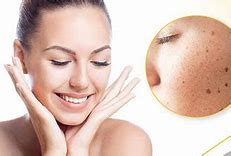
A regular skin cancer screening assesses moles and other skin lesions for early warning signs of cancer. Early detection significantly increases the chances of successful treatment.
- You Should Look For:
PSORIASIS
This chronic autoimmune condition leads to rapid skin cell production resulting in thickened patches of skin. Psoriasis often manifests during early adulthood but can occur at any age.
- Symptoms: You may notice red patches covered with silvery scales on the elbows, knees, or scalp.
- Causes: Factors such as genetics and environmental triggers can influence disease onset or flare-ups.
- Diagnosis: A dermatologist performs a physical exam; sometimes a biopsy is undertaken for confirmation.
- Treatment Options: Management includes topical treatments, phototherapy, or systemic medications depending on severity.
- What to Expect: Treatment effects vary; many patients experience significant improvement with appropriate care methods over time.
A thorough understanding of psoriasis is crucial for effective management. Patients should engage closely with their healthcare providers for best outcomes
ECZEMA
Eczema is a chronic inflammatory condition that results in itchy, red patches on the skin. While it can affect anyone at any age, it often begins in childhood.
- Symptoms: Common signs include dry skin, intense itchiness, and rashes that may appear on various body parts.
- Causes: Triggers can include allergens, irritants, and stress which exacerbate symptoms.
- Diagnosis: Diagnosis typically involves a physical examination along with a discussion about medical history.
- Treatment Options: Treatments often involve moisturizers and corticosteroid creams to control inflammation.
- What to Expect: Regular follow-ups help adjust treatment plans for optimal management of eczema symptoms over time.
Caring for eczema is essential for comfort and quality of life. Proper management can help alleviate symptoms effectively.
ACNE
Acne is a common skin condition that affects individuals of all ages, especially teenagers and young adults. It occurs when hair follicles become clogged with oil and dead skin cells, leading to various types of blemishes.
- Symptoms: These can include whiteheads, blackheads, pimples, and cysts.
- Causes: Hormonal changes, certain medications, or dietary factors can contribute to acne development.
- Diagnosis: A dermatologist evaluates the skin's appearance and may recommend additional tests if needed.
- Treatment Options: Management can include topical treatments, oral medications, or procedures like chemical peels.
- What to Expect: Most treatment plans take several weeks to show improvements, but consistent care helps in managing acne effectively.
Understanding the nature of acne is vital for effective treatment and management. With proper guidance and care, individuals can achieve clearer skin.