
Dr Ashwin B Mehta
About Me
Dr Ashwin B Mehta
Cardiologist
Biography
My Clinic
OPD Hours
| Tuesday | Morning | 10:00 AM | - | 02:00 PM |
| Evening | 06:00 PM | - | 09:00 PM | |
| Wednesday | Morning | 10:00 AM | - | 02:00 PM |
| Evening | 06:00 PM | - | 09:00 PM | |
| Thursday | Morning | 10:00 AM | - | 02:00 PM |
| Evening | 06:00 PM | - | 09:00 PM | |
| Friday | Morning | 10:00 AM | - | 02:00 PM |
| Evening | 06:00 PM | - | 09:00 PM | |
| Saturday | Morning | 10:00 AM | - | 02:00 PM |
| Evening | 06:00 PM | - | 09:00 PM | |
| Sunday | Morning | 10:00 AM | - | 02:00 PM |
| Evening | 06:00 PM | - | 09:00 PM | |
| Thursday | Morning | 10:00 AM | - | 02:00 PM |
| Evening | 06:00 PM | - | 09:00 PM |
Treatments
Specialised care and treatments offered
PERIPHERAL ARTERY DISEASE (PAD) TREATMENT

PAD refers to narrowing arteries predominantly affecting limbs leading significant circulatory issues resulting painful encounters whilst walking over time as well especially around calves specifically due insufficient oxygen supplied tissues affected directly involved those areas subsequently!. .< .service .international.//...:'[]}}
ANEURYSM REPAIR
An aneurysm occurs when a weakened area in a blood vessel ballooning outwards. Repairing it promptly prevents life-threatening ruptures!.
- The symptoms might range from back pain or abdominal discomfort depending on its location.
- Diagnosis generally uses imaging technologies like CT scans or MRIs that highlight structural weaknesses in vessels.
- Your treatment could involve either traditional surgery through open abdominal access &closing all affected areas alongside potential endovascular approaches utilizing stent grafts.
- Recovery duration varies but routine follow-ups ensure lasting healing while minimizing risks thereafter.
This critical intervention aims not just at prolonging life but alleviating adverse effects causing daily uncomfortable experiences too – ensuring ample awareness among patients via personalized education initiatives.'
CARDIAC CATHETERIZATION
This diagnostic technique allows physicians to visualize the heart's chambers and vessels using thin tubes called catheters. It plays a pivotal role in diagnosing various cardiovascular conditions without major surgery.
- The major symptoms prompting this test may include chest pain, rapid heartbeat, or unexplained fatigue that raises concern for underlying conditions.
- The diagnostic process usually involves an X-ray machine, fluoroscopy along with contrast dye injections to visualize blockages or abnormalities clearly on images taken during the procedure.
- Treatment options following diagnosis could vary from medication management to further interventions such as angioplasty if significant blockages are detected during catheterization.
- The recovery from this procedure is generally swift; patients are monitored for any immediate complications before being discharged on same-day basis in most cases.'
- Ongoing care strategies will also be discussed to address any identified risks during evaluation.'
Ultimately this test provides essential insights into cardiovascular health and aids in planning further treatment if necessary.'
PACEMAKER IMPLANTATION
A pacemaker implantation provides an effective solution for regulating abnormal heart rhythms. This small device ensures that the heart beats adequately and maintains proper blood circulation throughout the body.
- Common symptoms indicating a need for this intervention include dizziness, fainting spells, and irregular heartbeat sensations.
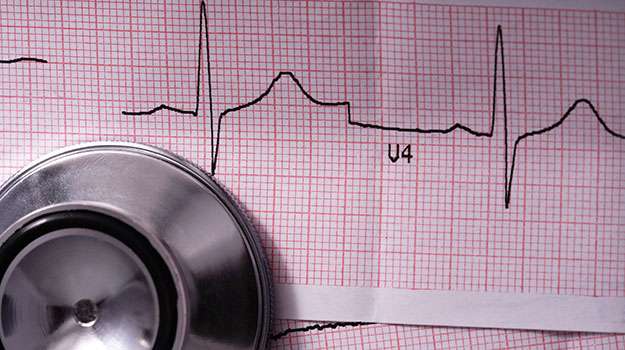
- The diagnosis usually requires an Echocardiogram, Holter monitor studies, or electrocardiograms (ECG) to assess arrhythmias accurately.
- Treatment involves a minor surgical procedure where a pacemaker is placed under the skin near your collarbone with leads inserted into your heart muscle.
- The recovery period is typically brief, allowing patients to return home within hours after monitoring their condition briefly post-surgery.
- A lifestyle adjustment plan will often accompany this treatment to promote long-term heart health and minimize complications.
This intervention can dramatically improve patient quality of life by restoring normal heartbeat patterns effectively.
HEART VALVE SURGERY
This type of surgery addresses issues with the heart's valves which regulate blood flow within the heart. Valve disorders can lead to serious complications if left untreated.
- The most common symptoms are shortness of breath, fatigue, and swelling in the legs or abdomen.
- Diagnosis typically involves echocardiograms, electrocardiograms (ECGs), or MRI scans to visualize valve function.
- Treatment options may include surgical repair, replacement of the valve, or catheter-based techniques depending on severity.
- Recovery time varies based on procedure type but often includes a stay in a cardiac rehabilitation program.
- A thorough follow-up schedule will be established to monitor heart health post-surgery.
This surgery is crucial for restoring normal blood flow and preventing further complications related to heart health.
CORONARY ANGIOPLASTY
Coronary angioplasty is a minimally invasive procedure aimed at widening narrowed or obstructed coronary arteries. This intervention is typically performed to alleviate symptoms of coronary artery disease, such as chest pain and shortness of breath.
- Symptoms include chest discomfort, fatigue, and even heart attacks in severe cases.
- The condition is often diagnosed through stress tests, angiograms, or imaging studies that reveal the blockage.
- Treatment options involve balloon catheterization to open up the artery, often accompanied by placing a stent for support.
- Post-procedure, patients can expect short recovery times, followed by lifestyle adjustments and medication management.
- A comprehensive rehabilitation program may be recommended to enhance heart health.
This procedure can significantly improve quality of life and reduce the risk of serious cardiac events.