
Dr Ashwin Mehta
About Me
Dr Ashwin Mehta
Cardiologist
Biography
My Clinic
OPD Hours
| Tuesday | Morning | 10:00 AM | - | 02:00 PM |
| Evening | 06:00 PM | - | 09:00 PM | |
| Wednesday | Morning | 10:00 AM | - | 02:00 PM |
| Evening | 06:00 PM | - | 09:00 PM | |
| Thursday | Morning | 10:00 AM | - | 02:00 PM |
| Evening | 06:00 PM | - | 09:00 PM | |
| Friday | Morning | 10:00 AM | - | 02:00 PM |
| Evening | 06:00 PM | - | 09:00 PM | |
| Saturday | Morning | 10:00 AM | - | 02:00 PM |
| Evening | 06:00 PM | - | 09:00 PM | |
| Sunday | Morning | 10:00 AM | - | 02:00 PM |
| Evening | 06:00 PM | - | 09:00 PM | |
| Thursday | Morning | 10:00 AM | - | 02:00 PM |
| Evening | 06:00 PM | - | 09:00 PM |
Treatments
Specialised care and treatments offered
PERIPHERAL ARTERY DISEASE

PAD describes narrowing arteries outside the heart resulting primarily due accumulation plaques within arterial walls impeding sufficient oxygenated blood flow towards lower limbs especially noticeable during physical activities!
VALVULAR HEART DISEASE
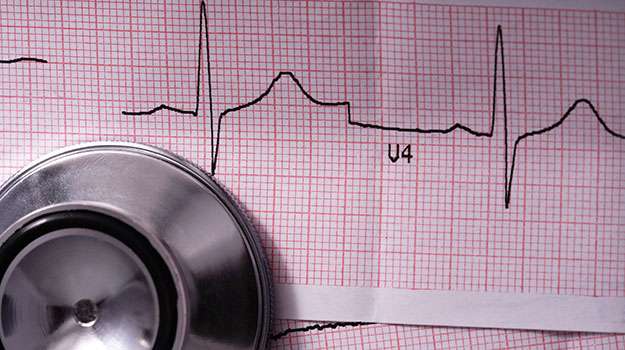
This condition arises when one or more valves in the heart malfunction due either to stenosis (narrowing) or regurgitation (leakage). These issues disrupt normal blood flow through the heart chambers leading potentially severe outcomes without timely intervention!
:- :
- :This disorder often manifests itself via various alarming signs such as abnormal heartbeat patterns ,swelling extremities & shortness breath -especially during exertion :
- :The potential causes might range widely from congenital defects acquired through rheumatic fever & degenerative diseases :
- ::Diagnosing valvular issues typically involves echocardiography combined with other imaging techniques revealing insights into structural abnormalities
HYPERTENSION
Hypertension or high blood pressure is often called a silent killer because it frequently goes unnoticed while causing damage over time. Managing this condition is vital for reducing risks related to heart disease and stroke.
- The signs: Most patients do not notice any symptoms until their blood pressure reaches dangerously high levels; regular monitoring is essential.
- Causative elements: Factors contributing to hypertension include obesity, lack of physical activity, excessive salt intake in diet, smoking habits, and genetics.
- Adequate testing methods:: Blood pressure readings taken during routine doctor visits reveal essential information about cardiovascular health status
ATRIAL FIBRILLATION
Atrial fibrillation (AFib) is a common type of irregular heartbeat that can lead to increased risk of stroke. It disrupts normal electrical impulses in the heart's upper chambers (atria).
- Symptoms: Patients may experience palpitations, dizziness, fainting spells, or general feelings of weakness. Some individuals might not even notice any symptoms initially.
- Causative factors: High blood pressure, coronary artery disease, diabetes, and excessive alcohol use can contribute to the development of AFib.
- Diagnostic methods: The condition is often identified through an EKG or Holter monitor test that records heart rhythms over time.
- Treatment options: Treatments may include medications for rate control or rhythm regulation as well as procedures like cardioversion or ablation in specific cases.
HEART FAILURE
Heart failure is a chronic condition where the heart cannot pump blood effectively, leading to insufficient blood flow to meet the body's needs. It can affect individuals of all ages but is more common in older adults.
- Symptoms: Key symptoms include shortness of breath, swelling in the legs and ankles, fatigue, and persistent cough.
- Causes: Conditions such as coronary artery disease, high blood pressure, and prior heart attacks can lead to heart failure over time.
- Diagnosis: Diagnosis often involves physical exams, echocardiograms, and blood tests to assess heart function and other related health indicators.
- Treatment strategies: Management focuses on lifestyle changes alongside medications that help improve heart function and decrease symptoms.
- Prognosis: While it’s a serious condition requiring ongoing treatment and lifestyle adjustments, many patients lead full lives with proper management.
Your healthcare team will work closely with you to devise an individualized plan aimed at improving your quality of life.
CORONARY ARTERY DISEASE
Coronary artery disease (CAD) occurs when the coronary arteries become narrowed or blocked, often due to plaque buildup. This can prevent blood from flowing effectively to the heart muscle, leading to serious health issues.
- Symptoms: Common symptoms include chest pain, shortness of breath, and fatigue. In some cases, CAD may be asymptomatic until a heart attack occurs.
- Causes: Risk factors include high cholesterol, hypertension, smoking, diabetes, and a sedentary lifestyle.
- Diagnosis: CAD is typically diagnosed through tests such as electrocardiograms (EKG), stress tests, or angiography.
- Treatment options: Management may involve lifestyle changes, medications, or procedures like angioplasty and stent placement.
- What to expect: Treatment aims to improve blood flow and reduce the risk of heart attacks; ongoing monitoring and follow-up care are essential.
If you suspect you have symptoms or risk factors for CAD, early detection is crucial for effective management.