
Dr Ashwini Sharm
About Me
Dr Ashwini Sharm
MD
Nephrologist
10 Years Experience
Biography
My Clinic
OPD Hours
| Monday | Morning | 10:00 AM | - | 02:00 PM |
| Evening | 06:00 PM | - | 09:00 PM | |
| Tuesday | Morning | 10:00 AM | - | 02:00 PM |
| Evening | 06:00 PM | - | 09:00 PM | |
| Wednesday | Morning | 10:00 AM | - | 02:00 PM |
| Evening | 06:00 PM | - | 09:00 PM | |
| Thursday | Morning | 10:00 AM | - | 02:00 PM |
| Evening | 06:00 PM | - | 09:00 PM | |
| Friday | Morning | 10:00 AM | - | 02:00 PM |
| Evening | 06:00 PM | - | 09:00 PM | |
| Saturday | Morning | 10:00 AM | - | 02:00 PM |
| Evening | 06:00 PM | - | 09:00 PM | |
| Sunday | Morning | 10:00 AM | - | 02:00 PM |
| Evening | 06:00 PM | - | 09:00 PM |
Treatments
Specialised care and treatments offered
POLYCYSTIC KIDNEY DISEASE (PKD)
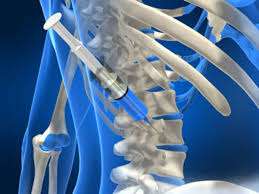
This genetic disorder leads to numerous cysts developing within both kidneys. Over time these cysts can compromise kidney function progressively leading towards renal failure if untreated correctly. Knowledge about PKD greatly influences patient management strategies among caregivers and families alike!
- Main symptoms might include abdominal pain due to cyst growth coupled with hypertension caused by affected vascularity around them eventually producing further challenges increasing vulnerability towards complications thereafter!
- Diagnosis often relies heavily upon imaging studies such as ultrasounds revealing cyst formations characteristic thereof alongside detailed family histories guiding overall considerations made thereafter .
- Management ranges vastly depending upon severity from monitoring regularly if mild case scenario present until transplant services invoked when end-stage arrives whereupon nephrologists will play key roles throughout treatment journey!
With proper education surrounding understanding implications associated with this condition patients feel empowered take charge towards maintaining healthy lifestyles whenever possible!
GLOMERULONEPHRITIS

This term refers to an inflammation of the glomeruli within the kidneys. It can arise from infections, autoimmune diseases, or other conditions affecting overall health. Late diagnosis could lead to chronic issues if not addressed swiftly.
- The most common symptoms include proteinuria (excess protein in urine), swelling (edema), and high blood pressure as manifestations of kidney distress.
- An accurate diagnosis often involves renal biopsies alongside blood work assessing creatinine levels and antibodies related to autoimmune diseases.
- Treatment focuses on controlling inflammation through medications like corticosteroids or immunosuppressants based on etiology while managing associated risk factors like hypertension precisely.
Managing Glomerulonephritis effectively requires collaboration between specialists ensuring optimal renal protection moving forward through follow-up treatments consistently applied over time.
KIDNEY STONES

Kidney stones are hard mineral deposits that form in the kidneys. They can cause significant pain as they move through the urinary tract. Understanding their formation is key for management and prevention strategies.
- The primary symptom includes severe pain in the back or side; other signs may present as hematuria (blood in urine).
- A diagnosis often requires imaging studies such as ultrasounds or CT scans to locate stones accurately.
- Treatment options range from increased water intake for small stones to surgical interventions for larger ones causing blockage or severe symptoms.
- Pain management is crucial during episodes of stone passage through medications or other techniques like lithotripsy.
A proactive approach that includes dietary changes can significantly decrease recurrence rates for kidney stones over time.
URINARY TRACT INFECTIONS (UTIS)

Urinary Tract Infections are common infections that can affect any part of the urinary system - kidneys, ureters, bladder, or urethra. While typically straightforward to treat, they can lead to serious complications if recurrent.
- Common symptoms include a burning sensation during urination, frequent urges to urinate, and cloudy urine.
- Diagnosis usually involves a urine culture test to identify the bacteria responsible for the infection.
- Treatment generally consists of antibiotics tailored to the specific bacterial strain identified in tests.
- Preventive measures may include increased fluid intake and proper hygiene practices.
- Persistent UTIs could necessitate further assessment for anatomical abnormalities in the urinary tract.
With timely intervention, most individuals fully recover from UTIs without complications.
ACUTE KIDNEY INJURY (AKI)

Acute Kidney Injury refers to a rapid decline in kidney function, often occurring over hours or days. This condition can result from various factors including dehydration or obstruction.
- Main symptoms include decreased urine output, swelling due to fluid retention, and confusion.
- A diagnosis typically involves reviewing medical history and performing blood tests focusing on electrolyte levels.
- Treatment is highly individualized; it may involve addressing the underlying cause and ensuring adequate hydration.
- A close watch on kidney function through repeat testing is essential during recovery.
- The prognosis varies based on the underlying cause and timely management options employed.
If identified early, many cases of AKI can be reversible with appropriate care.
CHRONIC KIDNEY DISEASE (CKD)

Chronic Kidney Disease is a progressive loss of kidney function over time, often asymptomatic in the early stages. It can lead to serious complications if not managed properly.
- Symptoms may include fatigue, swollen ankles, and changes in urination patterns.
- The diagnosis typically involves blood tests to assess glomerular filtration rate (GFR), along with urine analysis.
- Treatment options focus on controlling blood pressure, managing blood sugar levels, and dietary changes.
- Regular monitoring is crucial to prevent advancement to end-stage renal disease.
- What to expect: Patients may require lifestyle modifications and ongoing medical evaluations.
Early detection and intervention are critical for improving quality of life for individuals with CKD.