
DR Athanikar Nagesh Shyamrao
About Me
DR Athanikar Nagesh Shyamrao
Cardiologist
Biography
My Clinic
OPD Hours
| Tuesday | Morning | 10:00 AM | - | 02:00 PM |
| Evening | 06:00 PM | - | 09:00 PM | |
| Wednesday | Morning | 10:00 AM | - | 02:00 PM |
| Evening | 06:00 PM | - | 09:00 PM | |
| Thursday | Morning | 10:00 AM | - | 02:00 PM |
| Evening | 06:00 PM | - | 09:00 PM | |
| Friday | Morning | 10:00 AM | - | 02:00 PM |
| Evening | 06:00 PM | - | 09:00 PM | |
| Saturday | Morning | 10:00 AM | - | 02:00 PM |
| Evening | 06:00 PM | - | 09:00 PM | |
| Sunday | Morning | 10:00 AM | - | 02:00 PM |
| Evening | 06:00 PM | - | 09:00 PM | |
| Thursday | Morning | 10:00 AM | - | 02:00 PM |
| Evening | 06:00 PM | - | 09:00 PM |
Treatments
Specialised care and treatments offered
ANGINA PECTORIS MANAGEMENT

Angina pectoris refers to chest pain caused by reduced blood flow to the myocardium (heart muscle). It's often triggered by exertion or emotional stress but can also occur at rest. The primary aim in managing angina is improving quality of life while reducing risks associated with coronary artery disease through lifestyle changes and medications as necessary for symptom alleviation over time!
- Management options include:- **Identification triggers** such as physical strain exemplifying typical onset situations experienced regularly!- Incorporating regular **physical activity** into daily routines alongside dietary adjustments aimed at lowering cholesterol levels naturally!- Considering **medications** such as nitrates; beta-blockers; calcium channel blockers depending upon severity witnessed before consultations initiated systematically!- Regular monitoring via follow-up appointments enables clinicians keeping track progress appropriately adjusting accordingly where warranted when practical adaptations desired toward enhancing one’s overall state consistently throughout efforts made within framework established here so far borne out success reflected strongly therein!
TRANSESOPHAGEAL ECHOCARDIOGRAM (TEE)
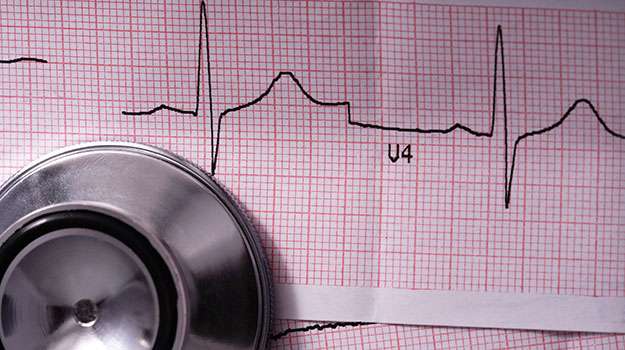
A transesophageal echocardiogram (TEE) involves inserting an ultrasound probe down the esophagus to obtain detailed images of the heart's structures. This method provides clearer images than traditional echocardiograms since it avoids interference from lung tissue or ribs. TEE is particularly useful for diagnosing specific cardiac conditions that require more precision in imaging than other modalities allow.
- This procedure can detect issues like blood clots, valve disorders, and congenital defects with greater accuracy due to direct visualization capabilities.
- Your doctor may suggest TEE if less invasive methods yield inconclusive results regarding your heart health status based on symptoms you present with at your appointment!
STRESS TEST
A stress test (exercise electrocardiogram) evaluates how your heart performs under physical stress. It involves walking on a treadmill or pedaling on a stationary bike while continuously monitoring heart rate, rhythm, and blood pressure. This assessment identifies potential problems related to blood flow and overall cardiac function during exertion.
- Dizziness, chest pain during exercise, or unexplained fatigue could indicate the need for this important evaluation method.
- The underlying diagnosis often stems from initial concerns raised during routine check-ups based on medical history or prior imaging tests.
- Treatment plans might stem from observed changes in heart performance that arise from exertion levels represented in test results.
It’s an essential part of evaluating overall cardiovascular health and tailoring appropriate therapeutic strategies efficiently based on findings post-test completion.
HOLTER MONITOR
A Holter monitor is a portable device used to continuously record the heart's electrical activity over 24-48 hours. This monitoring process captures irregularities in heartbeat patterns that may not be detected during a standard ECG. It's beneficial for diagnosing arrhythmias and assessing how well current treatments are working.
- Patients may experience symptoms like palpitations or lightheadedness that necessitate this continuous monitoring approach.
- The results reveal vital data about heart rhythm, enabling doctors to identify abnormalities accurately.
- No special preparation is needed; however, activities should be recorded in a diary while wearing it for better correlation with symptoms.
- The findings assist healthcare providers in making informed medication adjustments or recommending further interventions when required.
This tool plays a pivotal role in ensuring optimal management of cardiac arrhythmias through thorough analysis and monitoring.
ECHOCARDIOGRAM
An echocardiogram is a non-invasive ultrasound test that provides detailed images of the heart's structure and function. It is crucial for diagnosing various heart conditions, assessing cardiac function, and guiding treatment decisions. By using sound waves, this test can visualize how well the heart pumps blood.
- This test helps identify valvular diseases, congenital heart defects, or signs of heart failure through real-time images.
- A healthcare provider may recommend it based on symptoms like unexplained fatigue or swelling in limbs.
- Echocardiograms are generally well-tolerated with no significant risks involved for patients.
- The results help in formulating a comprehensive management plan tailored to each patient’s needs.
- Follow-up appointments are usually scheduled to monitor any findings from the test over time.
This essential diagnostic tool enhances understanding of cardiac health and informs recommended treatments effectively.
CORONARY ANGIOPLASTY
Coronary Angioplasty is a minimally invasive procedure used to open narrowed or blocked arteries that supply blood to the heart. This condition often arises from the buildup of plaque, which can lead to cardiovascular complications. The goal of angioplasty is to restore blood flow, alleviating symptoms and preventing further heart damage.
- Symptoms of blocked arteries may involve chest pain, shortness of breath, or fatigue during physical activity.
- The procedure is typically diagnosed through tests such as an angiogram, which visualizes the coronary arteries using dye and X-rays.
- Treatment often includes the insertion of a stent after balloon inflation, which helps keep the artery open.
- Post-procedure, patients may be advised on lifestyle modifications, including diet changes and prescription medications.
- Recovery time varies but many individuals can resume normal activities shortly after with proper follow-up care.
This procedure significantly reduces heart attack risk and improves quality of life for patients with coronary artery disease.