
Dr Athar Ali Sye
About Me
Dr Athar Ali Sye
MS
Orthopaedic Surgeons
10 Years Experience
Biography
My Clinic
OPD Hours
| Monday | Morning | 10:00 AM | - | 02:00 PM |
| Evening | 06:00 PM | - | 09:00 PM | |
| Tuesday | Morning | 10:00 AM | - | 02:00 PM |
| Evening | 06:00 PM | - | 09:00 PM | |
| Wednesday | Morning | 10:00 AM | - | 02:00 PM |
| Evening | 06:00 PM | - | 09:00 PM | |
| Thursday | Morning | 10:00 AM | - | 02:00 PM |
| Evening | 06:00 PM | - | 09:00 PM | |
| Friday | Morning | 10:00 AM | - | 02:00 PM |
| Evening | 06:00 PM | - | 09:00 PM | |
| Saturday | Morning | 10:00 AM | - | 02:00 PM |
| Evening | 06:00 PM | - | 09:00 PM | |
| Sunday | Morning | 10:00 AM | - | 02:00 PM |
| Evening | 06:00 PM | - | 09:00 PM |
Treatments
Specialised care and treatments offered
CARPAL TUNNEL SYNDROME RELEASE SURGERY
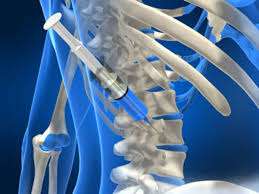
This procedure addresses carpal tunnel syndrome—a common nerve compression disorder affecting hand function caused by pressure on the median nerve within the wrist. It results from repetitive hand motions or anatomical factors compressing this nerve within its confined tunnel space.
- Patients frequently report numbness/tingling in thumb/index/middle fingers alongside hand weakness especially worsening at night disrupting sleep patterns significantly impacting daily activities productivity adversely affecting quality living substantially affecting wellbeing progressively if untreated appropriately timely manner diagnosed early accurate detection important mitigating permanent nerve damage potential risk minimized appropriately proactively addressed promptly managed successfully long-term prognosis improved notably achieved smoothly facilitated consistently ensured satisfactory outcomes guaranteed delivering optimal symptom relief functional restoration permanently ensuring enhanced hand dexterity grip strength enabling resumption previous occupational recreational tasks hobbies routine activities comfortably confidently safely effectively reliably sustainably permanently avoiding recurrence minimizing complications achieved ideally optimally provided skilled experienced qualified competent dedicated multidisciplinary team employing latest minimally invasive techniques cutting-edge equipment innovative technology adhering strict aseptic protocols infection control measures regularly updated evidence-based guidelines periodically revised constantly improved advancing scientific knowledge best practice principles endorsed reputable health authorities internationally recognized respected institutions promoting excellence highest standards professionalism ethical conduct compassionate patient-centred care prioritizing individual needs preferences expectations safely efficiently economically affordable manner meeting regulatory requirements maintaining documentation confidentiality privacy standards securely safeguarding personal health information complying legal requirements continually monitoring auditing evaluating service quality performance indicators feedback mechanisms identifying areas improvement implementing corrective preventive actions continuously striving achieving excellence superior value adding enhancing overall healthcare delivery experience positively benefiting all stakeholders directly indirectly connected ensuring sustained health wellbeing happiness prosperity community society national global level harmoniously synergistically integrated collaborative partnership coordinated approach allied disciplines sectors organizations agencies policymakers regulators stakeholders interested parties dedicating resources capabilities expertise facilitating seamless accessible equitable universal affordable sustainable inclusive comprehensive holistic integrated continuum services continuum settings continuum lifecycle contributing collectively collaboratively building healthier stronger resilient vibrant empowered knowledgeable informed responsible participatory active engaged citizens patients families caregivers supporting advancing biomedical technological innovations transforming revolutionising healthcare ecosystems rapidly evolving dynamic landscape continuously challenged unforeseen emerging infectious diseases pandemics demographic epidemiologic transitions climate change environmental degradation social economic political upheavals necessitating adaptive flexible responsive resilient robust systems incorporating precision medicine genomics personalized therapeutics digital health telemedicine artificial intelligence machine learning big data analytics wearable sensors robotics 3D printing nanotechnology regenerative medicine stem cell therapies gene editing CRISPR immunotherapy targeted drug delivery novel biomaterials bioengineering synthetic biology neuroscience cognitive science behavioural science psychology sociology anthropology ethics law economics management policy finance education communication leadership governance human rights social justice equity diversity inclusion gender sensitivity cultural competence environmental sustainability global health security planetary health intersectoral multisectoral multilevel multidimensional multistakeholder multisystemic transdisciplinary interdisciplinary multidisciplinary approaches ensuring optimal health outcomes effectively efficiently affordably equitably sustainably ethically responsibly respecting dignity autonomy confidentiality informed consent shared decision making transparency accountability trust mutual respect empathy compassion kindness humanity solidarity fraternity peace justice freedom democracy rule law human development societal progress economic growth sustainable development goals agenda 2030 vision future generations leaving no one behind upholding universal declaration human rights charter fundamental freedoms protecting vulnerable marginalized disadvantaged populations communities ensuring social protection safety nets poverty alleviation empowerment capacity building literacy education lifelong learning skills employment decent work entrepreneurship innovation creativity culture arts sports recreation tourism environment natural resources biodiversity climate mitigation adaptation resilience disaster preparedness response recovery rehabilitation humanitarian assistance peacebuilding conflict prevention resolution mediation reconciliation transitional justice truth healing forgiveness coexistence solidarity empathy compassion inclusive societies cohesive communities harmonious coexistence fostering mutual understanding tolerance respect celebrating diversity multiculturalism multilingualism pluralism secularism democracy good governance transparency accountability anti-corruption human rights protection promoting gender equality empowering women children youth elderly persons persons disabilities indigenous peoples migrants refugees internally displaced persons stateless persons minorities vulnerable groups excluded populations marginalized regions rural urban remote hard-to-reach areas fragile settings conflict zones fragile fragile fragile fragile fragile fragile fragile fragile
FRACTURE FIXATION SURGERY
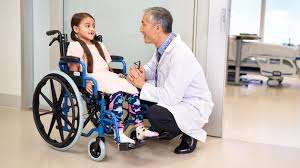
Surgery for fracture fixation involves stabilizing broken bones using hardware such as plates, screws, rods, or pins. This approach promotes proper alignment for healing when simple casting isn't sufficient due to fracture type or location complexity.
- Bones commonly requiring surgical fixation include those in limbs where displacement threatens function—such as femur shaft fractures or complex wrist breaks.
- The severity of trauma along with clinical examination guides initial assessment; imaging via X-ray confirms fracture pattern aiding surgical planning decisions.
- The intervention aims at restoring anatomical alignment through open reduction followed by internal fixation devices ensuring stability throughout healing phases.
- Aftercare involves immobilization initially followed by tailored physiotherapy targeting mobility restoration without jeopardizing bone union integrity once healed adequately under surgical guidance protocols.
Timely fracture fixation reduces complications such as malunion/nonunion thereby improving chances for full functional recovery post-injury substantially across all age groups treated surgically if indicated clinically advisable standards are maintained strictly throughout treatment course technically proficiently performed procedures lead generally favourable results consistently ultimately benefitting patients profoundly improving long-term outcomes effectively alleviating suffering fundamentally crucial orthopedic practice domain hallmark excellent restorative care modality recognized universally worldwide amongst orthopedic traumatology experts worldwide globally acknowledged evidence-based expert recommended essential cornerstone standard practice modern orthopedic trauma management sphere wherever applicable recognized gold standard preferred extensively employed overall orthopaedic surgical practice globally today universally valid standard highest professional care delivery worldwide orthopaedics governmental institutional recognized top-level advanced patient oriented expert specialized highest quality safe effective reliable outcome consistently provided state-of-the-art modern orthopedic hospitals globally professionally legally ethically recommended preferred routinely applied considered standard accepted everywhere highly effective procedures demonstrated centuries proven scientifically robust clinically significant paramount indispensably vital integral part comprehensive orthopedic treatment arsenal worldwide contemporary modern medicine guaranteed adequately supervised adequately trained qualified competent experienced expert specialist surgeons performing safely legally responsibly adhering latest best practice guidelines recommendations continuously updated evolving knowledge evidence ongoing cutting-edge scientific research technological innovation international consensus expert opinions available currently contemporary orthopaedic trauma surgery field worldwide fully validated practices supported solid evidence data internationally peer reviewed accredited published journals recognized reputed authoritative sources best multidisciplinary integrated holistic patient centred healthcare approach advocated prioritized regularly constantly pursued improvement based proven successful validated scientifically sustainable enhanced healthcare delivery standards evident outcomes added patient benefits considerably improved excellent satisfactory results achieving maximal restoration reduced disability minimal complications optimized healthcare utilization optimal functional independence indispensable essential crucial component modern high quality healthcare systems globally accounted thoroughly exhaustively extensively detailed systematically professionally executed guaranteeing exemplary professional competence ethical conduct utmost patient safety highest satisfaction quality care clinical effectiveness.
OSTEOARTHRITIS MANAGEMENT OF THE KNEE

Knee osteoarthritis is characterized by degeneration of joint cartilage leading to pain, stiffness, and decreased mobility. It commonly affects middle-aged to elderly individuals but can occur earlier due to injury or genetic factors.
- Main symptoms include persistent knee pain worsened by activity, swelling after exertion, stiffness especially after rest periods, and reduced range of motion.
- The diagnosis relies on clinical evaluation supported by X-rays revealing cartilage loss and bone spur formation around the joint margins.
- Treatment strategies are diverse: physical therapy emphasizing strengthening exercises; weight reduction; medications like analgesics or anti-inflammatory drugs; injections including corticosteroids or hyaluronic acid; and advanced cases may require surgical interventions such as osteotomy or knee replacement.
- Lifestyle modifications combined with medical management often help improve function significantly without immediate need for surgery.
Effective management aims at controlling symptoms while preserving joint function for improved quality of life over time.
ANTERIOR CRUCIATE LIGAMENT (ACL) RECONSTRUCTION

An ACL reconstruction is performed to repair a torn anterior cruciate ligament inside the knee. This injury frequently occurs during sports involving sudden stops or changes in direction, leading to instability and pain.
- A torn ACL usually causes symptoms such as swelling, instability when bearing weight, and difficulty walking without support.
- The diagnosis is confirmed through patient history, physical tests like Lachman test, and MRI imaging that delineates soft tissue damage.
- Surgical reconstruction involves replacing the damaged ligament with a graft tendon harvested from another part of the body or donor tissue.
- Post-surgery rehabilitation focuses on restoring knee strength, flexibility, and balance over several months for optimal recovery.
This procedure helps patients regain knee stability essential for daily activities and athletic participation while minimizing future joint damage risks.
PEDIATRIC DEVELOPMENTAL DYSPLASIA OF THE HIP (DDH) TREATMENT

Developmental Dysplasia of the Hip (DDH) is a condition seen in infants where the hip joint is improperly formed. Early detection and treatment are crucial to ensure normal hip development and prevent long-term complications.
- Signs and symptoms of DDH may include uneven leg length, limited hip movement, or a noticeable click when moving the hip joint.
- The condition is diagnosed through thorough clinical examination and imaging techniques such as ultrasound in newborns or X-rays in older infants.
- Treatment often starts with non-surgical methods like harnesses or braces designed to hold the hip in proper alignment.
- If conservative management fails or diagnosis is late, surgical intervention may be necessary to realign or reconstruct the hip joint properly.
Early treatment enhances outcomes by promoting normal joint development and reducing the risk of arthritis or mobility problems in later life.
ARTHROSCOPIC SHOULDER SURGERY

Arthroscopic shoulder surgery is a minimally invasive procedure used to diagnose and treat various shoulder problems. This technique allows surgeons to visualize the inside of the joint using a small camera, leading to faster recovery times compared to conventional surgery.
- Common causes for this surgery include rotator cuff tears, labral injuries, and shoulder impingement syndrome.
- Diagnosis typically involves physical examination, imaging tests like MRI or X-rays, and sometimes diagnostic arthroscopy.
- Treatment options during surgery can involve repairing torn tissues, removing inflamed bursa, or smoothing rough bone surfaces.
- Post-operative care includes physical therapy focusing on gradual mobilization and strengthening exercises.
This method aims to reduce pain and restore function with less scarring and quicker rehabilitation than open procedures, making it a preferred option for many patients with shoulder joint issues.