
Dr Atman H Daftary
About Me
Dr Atman H Daftary
General Physician
Biography
My Clinic
OPD Hours
| Tuesday | Morning | 10:00 AM | - | 02:00 PM |
| Evening | 06:00 PM | - | 09:00 PM | |
| Wednesday | Morning | 10:00 AM | - | 02:00 PM |
| Evening | 06:00 PM | - | 09:00 PM | |
| Thursday | Morning | 10:00 AM | - | 02:00 PM |
| Evening | 06:00 PM | - | 09:00 PM | |
| Friday | Morning | 10:00 AM | - | 02:00 PM |
| Evening | 06:00 PM | - | 09:00 PM | |
| Saturday | Morning | 10:00 AM | - | 02:00 PM |
| Evening | 06:00 PM | - | 09:00 PM | |
| Sunday | Morning | 10:00 AM | - | 02:00 PM |
| Evening | 06:00 PM | - | 09:00 PM | |
| Thursday | Morning | 10:00 AM | - | 02:00 PM |
| Evening | 06:00 PM | - | 09:00 PM |
Treatments
Specialised care and treatments offered
GASTROESOPHAGEAL REFLUX DISEASE (GERD)
This chronic digestive condition occurs when stomach acid flows back into the esophagus leading to discomfort. Understanding GERD's causes aids in successful long-term management strategies embraced by patients worldwide .
- Symptoms : Heartburn,chest pain ,difficulty swallowing ,and regurgitation are hallmark signs indicating potential GERD presence .
- Causes : Factors contributing range from obesity,pregnancy,certain medications,to lifestyle choices like smoking..
- Diagnosis : Physicians rely on symptom discussion along with diagnostic procedures like endoscopy if warranted based on severity recognized through assessments performed .
- Treatment Options :Hello ! key lifestyle changes involve adopting healthier eating habits alongside over-the-counter antacids ; prescription medications if needed provide further assistance addressing symptoms effectively .
/ Following through these adjustments promotes better quality living despite challenges posed by GERD's inception allowing those affected feel empowered controlling overall health outcomes successfully!
SEASONAL ALLERGIES

Seasonal allergies occur when the immune system reacts to allergens present in the environment during specific seasons. This condition affects many individuals each year as pollen counts rise in springtime or autumn months.
- Symptoms : Sneezing,hives ,nasal congestion , itchy eyes,and fatigue are common signs indicating seasonal allergies .
- Causes : Common triggers include tree pollen (spring), grass pollen (late spring/summer) ,and ragweed (fall).
- Diagnosis : Allergy testing via skin prick tests or blood tests helps identify specific allergens responsible .
- Treatment Options : Avoiding known allergens is crucial ; antihistamines,sinus rinses ,or nasal corticosteroids may alleviate symptoms when exposure occurs.
Identifying personal triggers allows those affected by seasonal allergies to develop effective management strategies tailored specifically to their needs .
ASTHMA
Asthma is a chronic respiratory condition characterized by inflammation and narrowing of the airways. Managing asthma effectively requires understanding triggers and treatment options available.
- Symptoms: Patients typically experience wheezing, coughing (particularly at night), shortness of breath, and tightness in the chest during an episode.
- Causes: Asthma triggers vary widely but often include allergies to dust mites, pollen, pets; pollution; smoke; or intense physical activity.
- Diagnosis: A thorough patient history along with lung function tests help confirm asthma diagnosis based on symptoms presented during examination visits.
An effective asthma action plan empowers patients to live full lives while minimizing the frequency and severity of attacks.
COMMON COLD
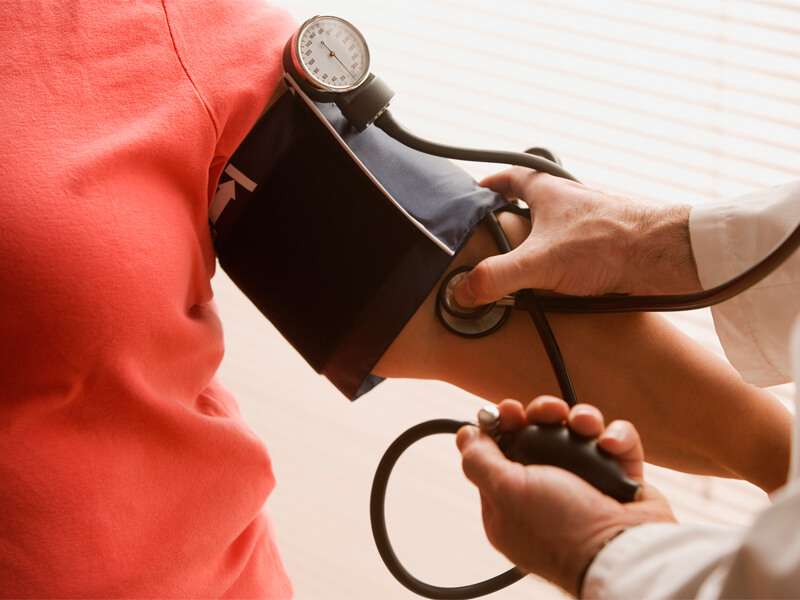
The common cold is an acute viral infection affecting the upper respiratory tract. While it might seem trivial, it can still impact daily activities significantly.
- Symptoms: Typical signs include a runny nose, sore throat, cough, sneezing, and fatigue without fever.
- Causes: It spreads easily through respiratory droplets from coughs or sneezes of infected individuals. Poor hygiene practices can exacerbate transmission.
- Diagnosis: Diagnosis typically involves reviewing symptoms; laboratory tests are rarely necessary unless issues arise that require further assessment.
- Treatment options: Since it's viral in nature, treatment focuses on symptom relief through rest, hydration, and over-the-counter medications.
Caring for yourself during a cold can hasten recovery while ensuring minimal disruption to your routine activities.
DIABETES MELLITUS
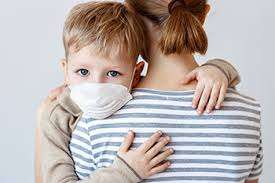
Diabetes mellitus is a metabolic disorder characterized by elevated blood glucose levels due to insulin deficiency or resistance. Management of this condition is crucial for preventing complications.
- Symptoms: Key indicators include increased thirst, frequent urination, fatigue, and blurred vision.
- Causes: Genetic predisposition, obesity, sedentary lifestyle, and certain medical conditions can increase the risk of developing diabetes.
- Diagnosis: Blood tests such as fasting glucose tests or HbA1c are used to determine glucose levels over time.
- Treatment options: Treatment may involve lifestyle modifications like diet and exercise; in some cases, medication or insulin therapy is required.
- Long-term management: Regular check-ups help monitor blood sugar levels and prevent complications associated with diabetes.
A comprehensive approach to diabetes management can greatly enhance quality of life and reduce health risks over time.
HYPERTENSION
Hypertension, commonly known as high blood pressure, is a chronic condition that can lead to serious health problems if left untreated. It often presents with no symptoms, making regular screening important.
- Symptoms: Many individuals experience no noticeable symptoms. Some may have headaches, dizziness, or shortness of breath at elevated levels.
- Causes: Contributing factors include genetics, poor diet, lack of exercise, and excessive alcohol consumption.
- Diagnosis: Blood pressure is measured using a sphygmomanometer during routine check-ups. Multiple readings may be necessary for an accurate diagnosis.
- Treatment options: Lifestyle changes such as improved diet and physical activity are advised. Medications may also be prescribed to help control blood pressure levels.
- Management: Regular monitoring and follow-up appointments are essential to ensure effective management of the condition.
Maintaining a healthy lifestyle can significantly reduce the risk associated with hypertension and improve overall well-being.