
Dr Atul Gattani
About Me
Dr Atul Gattani
Internal Medicine
Biography
My Clinic
OPD Hours
| Tuesday | Morning | 10:00 AM | - | 02:00 PM |
| Evening | 06:00 PM | - | 09:00 PM | |
| Wednesday | Morning | 10:00 AM | - | 02:00 PM |
| Evening | 06:00 PM | - | 09:00 PM | |
| Thursday | Morning | 10:00 AM | - | 02:00 PM |
| Evening | 06:00 PM | - | 09:00 PM | |
| Friday | Morning | 10:00 AM | - | 02:00 PM |
| Evening | 06:00 PM | - | 09:00 PM | |
| Saturday | Morning | 10:00 AM | - | 02:00 PM |
| Evening | 06:00 PM | - | 09:00 PM | |
| Sunday | Morning | 10:00 AM | - | 02:00 PM |
| Evening | 06:00 PM | - | 09:00 PM | |
| Thursday | Morning | 10:00 AM | - | 02:00 PM |
| Evening | 06:00 PM | - | 09:00 PM |
Treatments
Specialised care and treatments offered
DIABETES MELLITUS
Diabetes Mellitus refers primarily to conditions that involve problems with insulin production or action resulting in elevated blood glucose levels. Two main types exist: Type 1 diabetes where insulin isn't produced adequately; Type 2 diabetes characterized by insulin resistance coupled with relative deficiencies in secretion over time.
- Symptoms : Common manifestations include increased thirst/urination , unexplained weight loss , fatigue , blurred vision , among others .
- Diagnostic Tests : Physicians commonly utilize fasting glucose tests , hemoglobin A1c lab evaluations which provide insights into long-term glucose control .
- Treatment Approach : Effective management approaches vary per type involving lifestyle modifications (diet/exercise) combined often both oral medication & insulin therapy as necessary .
Consistent monitoring coupled along optimal therapeutic measures enables individuals managing diabetes live healthier lives effectively !
CHRONIC OBSTRUCTIVE PULMONARY DISEASE (COPD)
COPD encompasses a group of progressive lung diseases that obstruct airflow. The primary causes are long-term exposure to irritants including smoking and air pollution which damage lung tissues over time.
- Main Symptoms: Key signs consist of chronic coughing with mucus production, wheezing during breathing efforts, shortness of breath especially during exertion, and frequent respiratory infections.
- Diagnosis Methods: Diagnosis generally involves pulmonary function tests (spirometry) alongside imaging studies like chest X-rays for evaluation purposes.
- Management Strategies : Although there’s no cure for COPD itself , treatments aim at symptom relief through bronchodilators , corticosteroids , pulmonary rehabilitation , or oxygen therapy when needed .
Early detection paired with ongoing management can enhance quality of life significantly in individuals living with COPD .
HEART ATTACK
A heart attack occurs when blood flow to part of the heart is blocked. Often caused by coronary artery disease due to plaque buildup, it can lead to severe cardiac damage if not treated quickly.
- Common Symptoms: Individuals may experience chest pain or discomfort radiating to arms or neck, shortness of breath, cold sweats, nausea, and dizziness.
- How it's Diagnosed: Quick diagnosis often relies on an ECG (electrocardiogram), along with blood tests for cardiac markers like troponin levels.
- Treatment Options: Emergency treatments include medications such as aspirin or clot busters (thrombolytics) along with potential surgical interventions like angioplasty depending on severity.
The faster a heart attack is recognized and addressed; the better chance there is for successful treatment and recovery from heart muscle damage.
SEPSIS
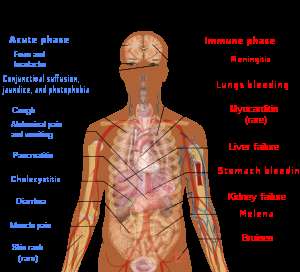
Sepsis is a life-threatening response to infection that can lead to tissue damage and organ failure. It occurs when the body’s immune response goes haywire after an infection enters the bloodstream.
- Symptoms: Patients may present with fever or hypothermia, rapid heart rate, low blood pressure, confusion, and severe discomfort.
- Diagnosis: Diagnosis often involves blood cultures along with imaging studies; identifying the source of infection is critical for effective management.
- Treatment Strategies: Immediate treatment includes broad-spectrum antibiotics and intravenous fluids; severe cases might require more intensive support like vasopressors for blood pressure stabilization.
Timely intervention is essential for improving outcomes in sepsis cases; therefore, recognizing symptoms early can save lives.
ACUTE KIDNEY INJURY
Acute Kidney Injury (AKI) is a rapid loss of kidney function over hours or days. This condition can result from various factors including dehydration, medications, infections, or obstruction in the urinary tract.
- Signs: Symptoms often include decreased urine output, swelling due to fluid retention, fatigue, and confusion.
- Diagnosis: Assessment usually requires blood tests to check kidney function markers like creatinine levels and may include imaging studies.
- Treatment Options: Treatment focuses on addressing the underlying cause – this might mean stopping harmful medications or improving hydration status.
- Monitoring: Regular monitoring of kidney function is crucial during recovery to ensure kidneys return to normal operation.
If recognized early and treated appropriately, many patients recover completely from AKI.
PNEUMONIA
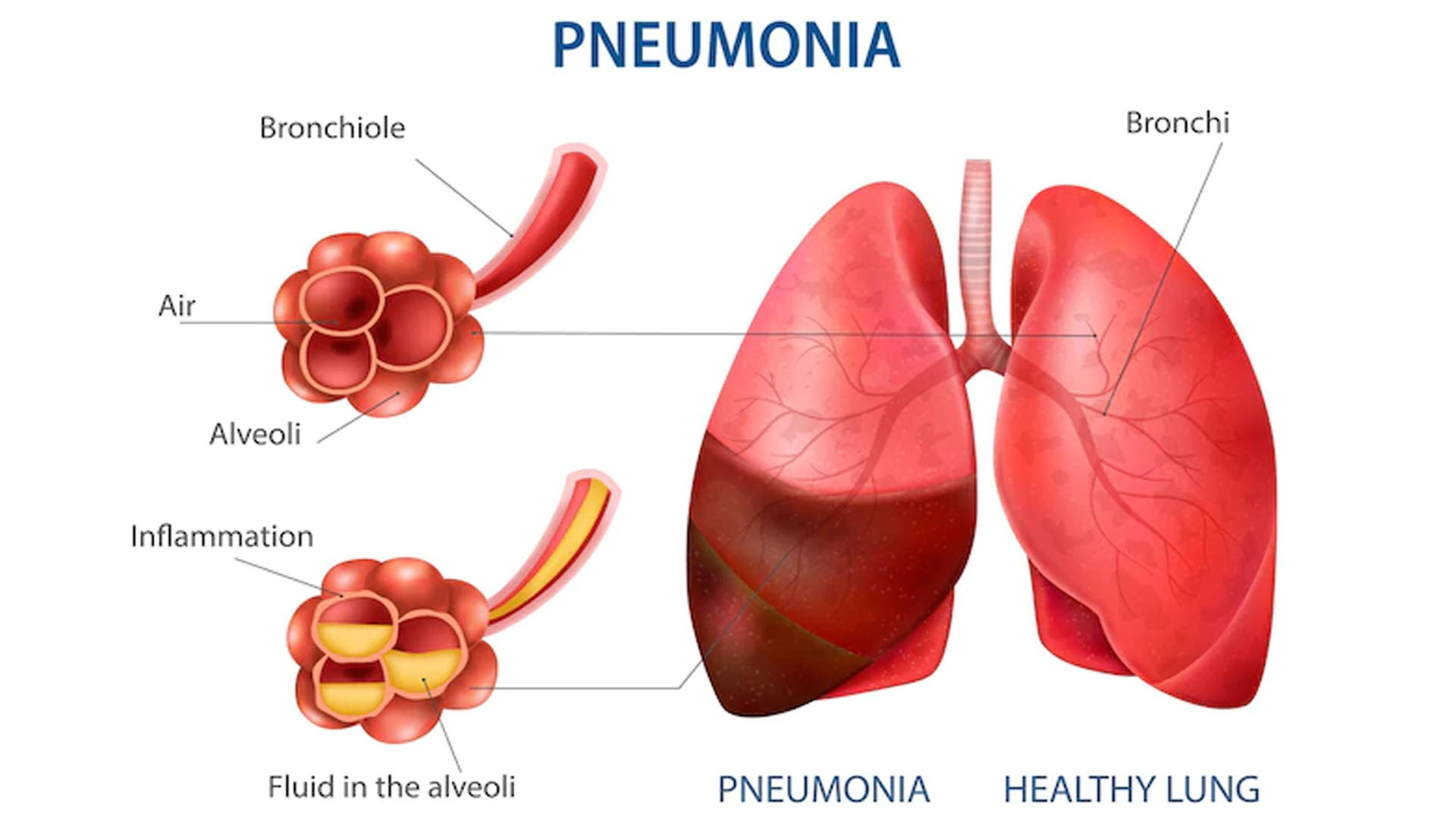
Pneumonia is a serious lung infection that can be caused by bacteria, viruses, or fungi. It often leads to inflammation in the air sacs of the lungs, which can fill with fluid or pus, causing cough and difficulty breathing.
- Symptoms: Common signs include persistent cough, fever, chills, and difficulty breathing.
- Diagnosis: A healthcare provider will typically perform a physical examination and may order a chest X-ray or blood tests to confirm the presence of pneumonia.
- Treatment: Management may involve antibiotics for bacterial pneumonia, antiviral medications for viral causes, and supportive care such as rest and hydration.
- Prognosis: Most individuals respond well to treatment, but recovery time can vary depending on age and overall health.
If you suspect pneumonia, seek medical attention promptly to receive appropriate care and avoid complications.