
Dr Atul Kasliwal
About Me
Dr Atul Kasliwal
Cardiologist
Biography
My Clinic
OPD Hours
| Monday | Morning | 10:00 AM | - | 02:00 PM |
| Evening | 06:00 PM | - | 09:00 PM | |
| Tuesday | Morning | 10:00 AM | - | 02:00 PM |
| Evening | 06:00 PM | - | 09:00 PM | |
| Wednesday | Morning | 10:00 AM | - | 02:00 PM |
| Evening | 06:00 PM | - | 09:00 PM | |
| Thursday | Morning | 10:00 AM | - | 02:00 PM |
| Evening | 06:00 PM | - | 09:00 PM | |
| Friday | Morning | 10:00 AM | - | 02:00 PM |
| Evening | 06:00 PM | - | 09:00 PM | |
| Saturday | Morning | 10:00 AM | - | 02:00 PM |
| Evening | 06:00 PM | - | 09:00 PM | |
| Sunday | Morning | 10:00 AM | - | 02:00 PM |
| Evening | 06:00 PM | - | 09:00 PM |
Treatments
Specialised care and treatments offered
PERIPHERAL ARTERY DISEASE

Affecting millions globally each year—the peripheral artery disease (PAD) results when arteries supplying blood to limbs become narrowed due primarily cholesterol buildup along arterial walls!
VALVULAR HEART DISEASE
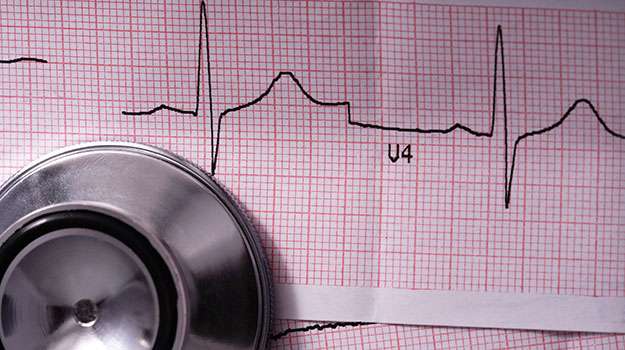
This type of heart disease involves damage to one of the valves in your heart that regulates blood flow. Valvular issues can occur at any age but may become more common with advancing age due to wear on these vital structures.
- The most common symptoms are fatigue, swelling in limbs due to fluid retention, fainting spells during exertion, or abnormal heartbeat sensations (palpitations).
- A healthcare professional will diagnose it through physical examinations complemented by imaging techniques such as echocardiograms or MRI if necessary.< li/>Treatment approaches vary from monitoring mild cases closely—like lifestyle adjustments—to more invasive measures like valve repair or replacement surgeries aimed at correcting flow obstruction issues caused by malfunctioning valves... . Many people return-to-normal functioning after successful intervention!. .< /u .< /u
HYPERTENSION
Hypertension, commonly known as high blood pressure, affects millions worldwide. It occurs when excessive pressure builds up against the artery walls over time. Without proper management, it can lead to severe health complications such as heart attack or stroke.
- This condition often presents no symptoms but may cause headaches or nosebleeds in severe cases. Regular check-ups help identify it early on.
- Diagnosis typically involves measuring blood pressure using a sphygmomanometer during office visits.
- Treatment options include dietary changes like reducing salt intake, regular exercise, and medications for more severe cases.
- Lifestyle changes are fundamental in managing hypertension effectively alongside prescribed medications.
HEART FAILURE
Heart failure is a serious condition wherein the heart cannot pump enough blood to meet the body’s needs. It can result from various underlying conditions such as coronary artery disease or high blood pressure.
- The symptoms often include shortness of breath during activities or while lying down, persistent coughing or wheezing, and swelling in the legs or abdomen.
- A thorough medical history and tests such as x-rays, echocardiograms, and blood tests are used for diagnosis.
- Treatment may involve lifestyle changes, medications to help manage fluid levels, and sometimes devices that assist heart function.
- Pacing oneself during daily activities is crucial for those living with this condition.
With appropriate treatments and lifestyle adjustments, many patients achieve significant improvement in their quality of life.
ATRIAL FIBRILLATION
Atrial fibrillation (AFib) is a heart rhythm disorder where the heart beats irregularly and often rapidly. This can increase the risk of stroke and other heart-related complications if not monitored appropriately.
- Common symptoms include fluttering in the chest, dizziness, weakness, and difficulty breathing.
- Diagnosis may involve a physical exam, blood tests, or an electrocardiogram.
- Treatment generally consists of medications to control the heart rate or rhythm and anticoagulants to reduce stroke risk.
- In some cases, procedures like ablation might be recommended to restore normal rhythm.
- Lifestyle modifications play a significant role in managing AFib effectively.
This condition can be managed well with consistent care from a healthcare provider.
CORONARY ARTERY DISEASE
Coronary artery disease (CAD) is a common heart condition that occurs when the blood vessels supplying the heart become narrowed or blocked. This can lead to chest pain, heart attacks, and other serious complications.
- Symptoms may include chest pain, shortness of breath, fatigue, and palpitations.
- The condition is typically diagnosed through electrocardiograms, echocardiograms, or cardiac catheterization.
- Treatment options include lifestyle changes, medications, and sometimes surgical procedures like angioplasty or bypass surgery.
- Regular follow-ups with your healthcare provider are essential for managing the condition effectively.
- Patients are encouraged to adopt a heart-healthy diet and engage in regular physical activity.
With proper management and treatment, individuals with CAD can lead active and fulfilling lives.
FAQs
What role does family history play in cardiac conditions?
Do all patients need surgery for valve problems?
How do I prepare for my first visit?
- < li >Bring along previous medical records relevant towards any cardiovascular matters discussed previously so we serve clearer insight about pertinent history effectively together!