
Dr Atul Mashru
About Me
Dr Atul Mashru
General Physician
Biography
My Clinic
OPD Hours
| Tuesday | Morning | 10:00 AM | - | 02:00 PM |
| Evening | 06:00 PM | - | 09:00 PM | |
| Wednesday | Morning | 10:00 AM | - | 02:00 PM |
| Evening | 06:00 PM | - | 09:00 PM | |
| Thursday | Morning | 10:00 AM | - | 02:00 PM |
| Evening | 06:00 PM | - | 09:00 PM | |
| Friday | Morning | 10:00 AM | - | 02:00 PM |
| Evening | 06:00 PM | - | 09:00 PM | |
| Saturday | Morning | 10:00 AM | - | 02:00 PM |
| Evening | 06:00 PM | - | 09:00 PM | |
| Sunday | Morning | 10:00 AM | - | 02:00 PM |
| Evening | 06:00 PM | - | 09:00 PM | |
| Thursday | Morning | 10:00 AM | - | 02:00 PM |
| Evening | 06:00 PM | - | 09:00 PM |
Treatments
Specialised care and treatments offered
CHRONIC OBSTRUCTIVE PULMONARY DISEASE (COPD) MANAGEMENT
COPD is a progressive lung disease often caused by long-term exposure to irritating gases or particulate matter. Understanding COPD helps individuals manage their symptoms more effectively over time.
PREVENTIVE HEALTH SCREENINGS

Preventive health screenings play an essential role in identifying potential health issues before they develop into serious conditions. Regular check-ups can lead to early intervention and improved health outcomes.
- Importance: Screenings help detect diseases such as cancer , diabetes , hypertension , and cholesterol abnormalities early on when they are most treatable .
- Common Tests: Depending on age factors , tests might include cholesterol panels , mammograms , colonoscopies , or prostate exams .
- Frequency: Recommendations vary based on personal risk factors ; routine discussions with your physician aid in determining appropriate intervals for screenings .
Engaging actively in preventive care fosters a proactive approach towards maintaining optimal health throughout life’s journey .
THYROID DISORDERS MANAGEMENT
The thyroid gland plays a crucial role in regulating metabolism. Disorders such as hypothyroidism or hyperthyroidism require careful assessment for proper management.
- Symptoms: Can vary widely – hypothyroidism typically presents with fatigue, weight gain , and sensitivity to cold; whereas hyperthyroidism may cause weight loss , rapid heartbeat , and anxiety .
- Causes: Thyroid disorders may arise from autoimmune diseases , iodine deficiency , or certain medications .
- Diagnosis: Blood tests measuring Thyroid Stimulating Hormone (TSH) levels alongside thyroid hormone levels are commonly used in diagnosis .
- Treatment Options: Treatment may involve hormone replacement therapy for hypothyroidism or antithyroid medications/ radioactive iodine therapy for hyperthyroidism .
Regular follow-up appointments ensure that treatment remains effective while monitoring any potential side effects related to medication usage .
ASTHMA CARE
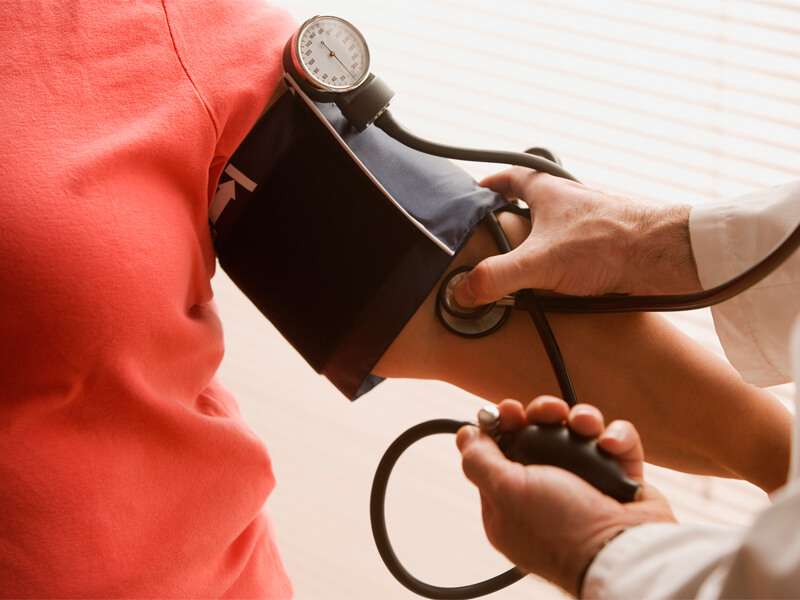
Asthma is a chronic respiratory condition that affects airflow in the lungs. It is important for individuals to understand how to manage their symptoms effectively.
- Symptoms: Include wheezing, coughing (especially at night), chest tightness, and shortness of breath during physical activity or at rest.
- Triggers: Asthma can be triggered by allergens like pollen or dust mites, as well as smoke, cold air, or strenuous exercise.
- Diagnosis: A thorough history along with pulmonary function tests are key in confirming the diagnosis of asthma.
- Treatment Options:
DIABETES SCREENING AND MANAGEMENT

Diabetes is a chronic condition characterized by high levels of glucose in the blood. Early detection through screening can lead to better management and outcomes.
- Symptoms: Common indicators include frequent urination, increased thirst, fatigue, and blurred vision.
- Causes: Type 1 diabetes has a genetic component while Type 2 relates to lifestyle factors such as obesity and sedentary behavior.
- Diagnosis: Blood tests measuring glucose levels are the primary method for diagnosing diabetes.
- Treatment/Management: Treatment may involve dietary changes, physical activity adjustments, insulin therapy, or various medications based on the type of diabetes.
- Pavements: Ongoing education about self-monitoring of blood glucose levels is vital for effective control over this condition.
A collaborative approach with healthcare providers can empower patients to manage their diabetes successfully.
HYPERTENSION MANAGEMENT
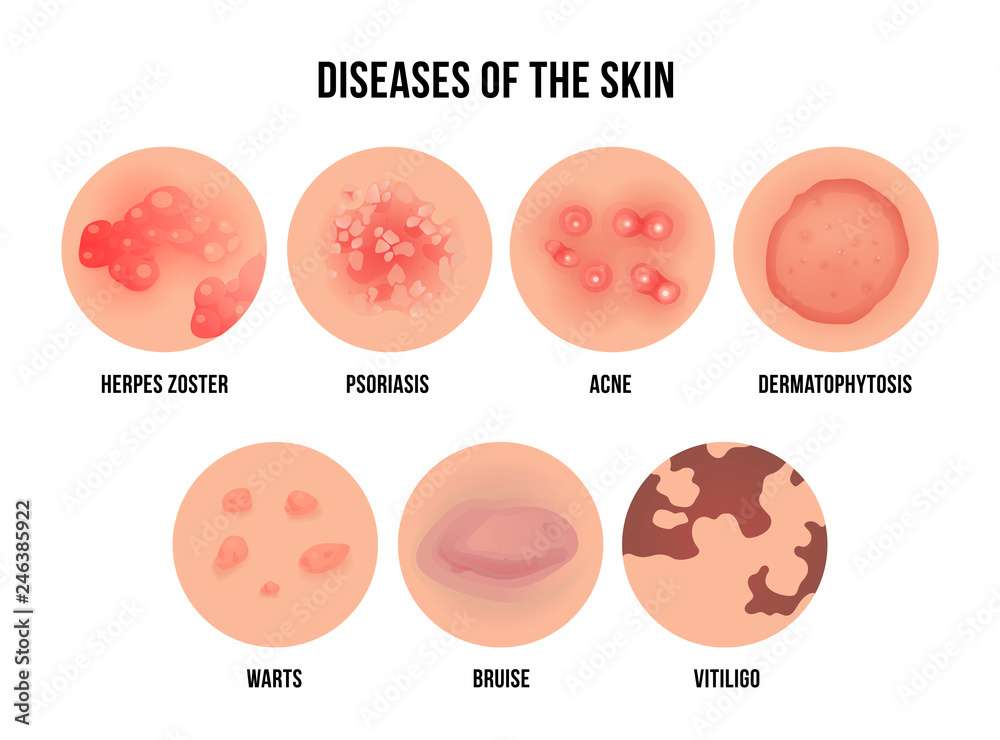
Hypertension, or high blood pressure, is a common condition that significantly increases the risk of heart disease and stroke. Understanding this condition is essential for effective management.
- Symptoms: Often asymptomatic, but can include headaches, shortness of breath, and nosebleeds.
- Causes: Factors include genetics, obesity, high salt intake, and lack of physical activity.
- Diagnosis: Typically diagnosed through routine blood pressure measurements; may involve additional tests to rule out underlying causes.
- Treatment Options: Lifestyle changes—such as diet modification and regular exercise—play a critical role. Medications may also be prescribed as needed.
- What to Expect: Regular monitoring of blood pressure levels is crucial; patients should work closely with healthcare providers to manage their condition effectively.
With proper management strategies, individuals with hypertension can lead healthy and active lives.