
Dr Avanish Arora
About Me
Dr Avanish Arora
General Physician
Biography
My Clinic
OPD Hours
| Tuesday | Morning | 10:00 AM | - | 02:00 PM |
| Evening | 06:00 PM | - | 09:00 PM | |
| Wednesday | Morning | 10:00 AM | - | 02:00 PM |
| Evening | 06:00 PM | - | 09:00 PM | |
| Thursday | Morning | 10:00 AM | - | 02:00 PM |
| Evening | 06:00 PM | - | 09:00 PM | |
| Friday | Morning | 10:00 AM | - | 02:00 PM |
| Evening | 06:00 PM | - | 09:00 PM | |
| Saturday | Morning | 10:00 AM | - | 02:00 PM |
| Evening | 06:00 PM | - | 09:00 PM | |
| Sunday | Morning | 10:00 AM | - | 02:00 PM |
| Evening | 06:00 PM | - | 09:00 PM | |
| Thursday | Morning | 10:00 AM | - | 02:00 PM |
| Evening | 06:00 PM | - | 09:00 PM |
Treatments
Specialised care and treatments offered
PREVENTIVE HEALTH SCREENINGS

Preventive health screenings are critical tools in identifying risk factors for diseases before they develop into serious conditions. Early detection through these screenings is essential for improving prognosis significantly across various health issues.
- < span style = ' font-weight : bold ; '>Benefits: Regular screenings promote proactive healthcare measures; they allow individuals to maintain their health status while addressing any emerging concerns efficiently.
- < span style = ' font-weight : bold ; '>Common Tests: Depending on age & risk factors; common screenings include cholesterol checks,blood pressure measures,cancer screenings respectively across gender,such as mammograms,pap smears & colonoscopies among others.
- < span style = ' font-weight : bold ; '>Who Should Get Screened? All adults should consider preventive screening after reaching specific age milestones while individual assessments recommend occasional additional ones based upon family histories/demographic data points evaluated thoroughly by clinicians.
- < span style = ' font-weight : bold ; '>What To Expect: Most procedures are non-invasive yet vary substantially concerning duration - many occur within a single visit offering delightful convenience alongside assurance promoting peace-of-mind pre-screening counseling beforehand toward making informed decisions progressing further along timelines thereafter moving forward appropriately without significant delay!
A commitment towards engaging in preventive care ultimately leads toward healthier lifestyles flourishing exponentially downward spiraling downwards let it be emphasized here now!
THYROID DISORDERS EVALUATION
Thyroid disorders encompass conditions affecting the thyroid gland's function which plays a significant role in regulating metabolism. Conditions such as hypothyroidism (underactive thyroid) and hyperthyroidism (overactive thyroid) require careful assessment and management.
- Symptoms: These may vary based on the disorder but commonly include weight changes (gain or loss), mood swings, fatigue, heat intolerance (hyperthyroidism), and cold intolerance (hypothyroidism).
- Causes: Thyroid imbalances may result from autoimmune diseases (like Hashimoto's thyroiditis), iodine deficiency, stress factors, or tumors affecting hormone production.
- Diagnosis: Blood tests evaluating TSH (Thyroid-Stimulating Hormone) levels alongside T3 and T4 hormone levels are pivotal for accurate diagnosis.
- Treatment Options: Based on diagnosis results; treatments could involve hormone replacement therapy for hypothyroidism or medications to manage hyperthyroidism effectively. In some cases requiring more intervention like radioactive iodine therapy might be indicated.
- Expectations: With proper treatment protocols adhered to diligently; many patients achieve stable thyroid function that significantly enhances metabolic controls and overall well-being.
A proactive approach combined with regular check-ups ensures potential issues are diagnosed early before they progress into serious complications too rapidly placed on lifestyle choices that benefit their health standards greatly!
ASTHMA CONTROL
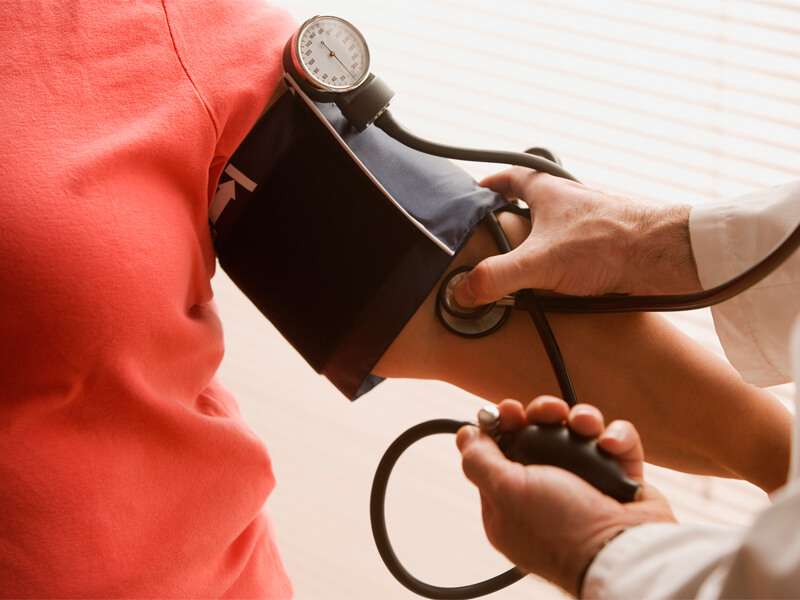
Asthma is a chronic respiratory condition characterized by inflammation in the airways leading to difficulty breathing. Proper control can significantly enhance quality of life for those affected by this condition.
- Symptoms: Symptoms include wheezing, shortness of breath, chest tightness, and coughing—particularly at night or during exercise.
- Triggers: Common triggers are allergens such as pollen or dust mites, respiratory infections, cold air exposure, or smoke inhalation.
- Diagnosis: Diagnosis typically involves a detailed medical history evaluation along with lung function tests like spirometry.
- Treatment Options: Management includes bronchodilators for immediate relief and inhaled corticosteroids for long-term control. Lifestyle adjustments also play an important role in avoiding triggers.
- What You Can Expect: Individuals can often lead normal lives with timely intervention and appropriate medication adherence; self-management plans are vital for asthma control.
A personalized asthma action plan can help patients recognize worsening symptoms early on for timely intervention.
DIABETES MANAGEMENT

Diabetes is a chronic condition characterized by elevated blood sugar levels due to the body's inability to produce or effectively use insulin. Proper management is crucial in preventing serious health issues associated with uncontrolled diabetes.
- Symptoms: Common symptoms include frequent urination, intense thirst, fatigue, and blurred vision.
- Causes: The primary types are Type 1 diabetes (autoimmune destruction of insulin-producing cells) and Type 2 diabetes (insulin resistance associated with obesity).
- Diagnosis: A healthcare provider will perform blood tests such as Fasting Blood Glucose or HbA1c tests to confirm diagnosis.
- Treatment Strategies: Diabetes management may involve dietary modifications, regular physical activity, consistent blood sugar monitoring, and medications like metformin or insulin therapy.
- Patient Expectations: With diligent management practices, individuals can achieve stable blood sugar levels and significantly reduce their risk of complications that impact overall health.
Engaging in routine consultations with a healthcare professional is essential for effective long-term management of diabetes.
HYPERTENSION MANAGEMENT
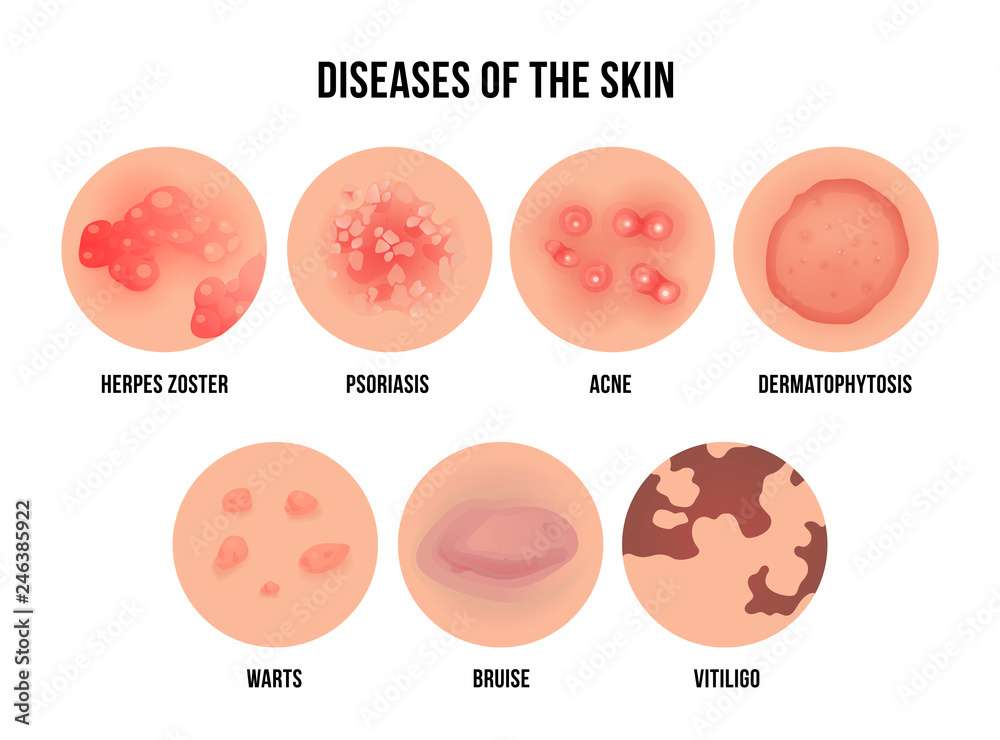
Hypertension, commonly referred to as high blood pressure, is a condition that can lead to severe health complications if left untreated. It often develops over many years and may not present noticeable symptoms initially, making regular monitoring essential.
- Symptoms: Many individuals do not experience symptoms; however, some may report headaches, dizziness, or nosebleeds.
- Causes: Factors contributing to hypertension include genetic predisposition, obesity, excessive salt intake, and lack of physical activity.
- Diagnosis: Diagnosis is typically made through regular blood pressure readings taken in a clinical setting or at home.
- Treatment Options: Management may involve lifestyle modifications such as diet changes and exercise, alongside medications like diuretics or ACE inhibitors.
- What to Expect: With appropriate management and lifestyle changes, individuals can expect improved health outcomes and reduced risk of complications.
Regular follow-ups help ensure the effectiveness of treatment strategies and aid in adjusting them as necessary.