
Dr Avinash Agarw
About Me
Dr Avinash Agarw
Internal Medicine
Biography
My Clinic
OPD Hours
| Monday | Morning | 10:00 AM | - | 02:00 PM |
| Evening | 06:00 PM | - | 09:00 PM | |
| Tuesday | Morning | 10:00 AM | - | 02:00 PM |
| Evening | 06:00 PM | - | 09:00 PM | |
| Wednesday | Morning | 10:00 AM | - | 02:00 PM |
| Evening | 06:00 PM | - | 09:00 PM | |
| Thursday | Morning | 10:00 AM | - | 02:00 PM |
| Evening | 06:00 PM | - | 09:00 PM | |
| Friday | Morning | 10:00 AM | - | 02:00 PM |
| Evening | 06:00 PM | - | 09:00 PM | |
| Saturday | Morning | 10:00 AM | - | 02:00 PM |
| Evening | 06:00 PM | - | 09:00 PM | |
| Sunday | Morning | 10:00 AM | - | 02:00 PM |
| Evening | 06:00 PM | - | 09:00 PM |
Treatments
Specialised care and treatments offered
ANEMIA EVALUATION
Anemia refers to a deficiency in red blood cells or hemoglobin in the body. It’s crucial that this condition be identified early for effective treatment interventions!
- Symptoms: Fatigue; weakness; pale skin; shortness of breath during exertion are common signs associated with anemia!!
- Causes: Anemia can arise from nutritional deficiencies (iron/B12), chronic diseases; inherited disorders also play roles here!
- Diagnostic approach: Blood tests evaluating hemoglobin concentration/complete blood count provide insights into one’s status!
- Treatment strategy: Addressing underlying causes—like iron supplementation/dietary changes—helps optimize recovery rates significantly!
GASTROESOPHAGEAL REFLUX DISEASE (GERD)
This chronic digestive condition occurs when stomach acid flows back into the esophagus. Lifestyle modifications play a critical role in managing GERD effectively.
- Main symptoms: Common indicators include persistent heartburn, regurgitation of food or sour liquid, difficulty swallowing, and chronic cough.
Proper management reduces discomfort while improving quality of life immensely!!
THYROID DISORDERS
The thyroid gland plays a crucial role in regulating metabolism through hormone production. Disorders related to the thyroid can lead to various health issues requiring attention.
- Disease types: Common disorders include hypothyroidism (underactive thyroid) and hyperthyroidism (overactive thyroid), each presenting unique challenges!
Continuous monitoring of thyroid function is essential for optimizing treatment outcomes!
CHOLESTEROL MANAGEMENT
Elevated cholesterol levels can increase the risk of cardiovascular disease. Understanding how to manage cholesterol effectively is vital for overall health.
- Causative factors: High cholesterol can result from poor dietary choices, lack of physical activity, obesity, and genetics.
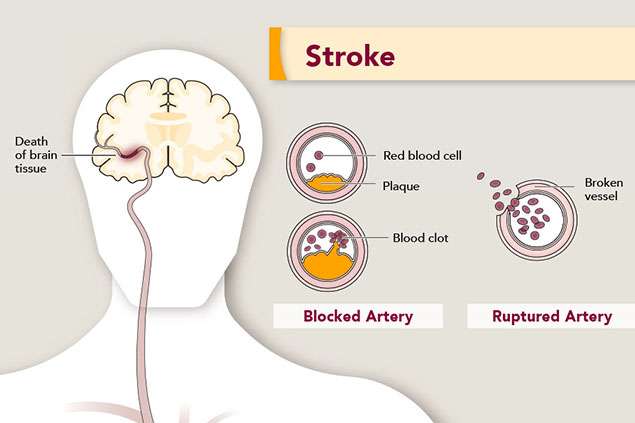
- Symptoms: Often asymptomatic; however, it can lead to heart attacks or strokes if not managed properly.
- Testing methods: A lipid panel blood test measures total cholesterol levels along with HDL (high-density lipoprotein) and LDL (low-density lipoprotein) cholesterol levels.
- Treatment options: Managing cholesterol usually involves lifestyle changes such as healthier eating habits coupled with medication like statins when necessary.
A proactive approach towards maintaining healthy cholesterol levels can significantly impact cardiovascular health over time.
DIABETES CARE
Diabetes is a metabolic disorder characterized by high blood sugar levels due to insulin resistance or insufficient insulin production. Proper management is crucial to prevent complications.
- Symptoms: Common symptoms include increased thirst, frequent urination, fatigue, and blurred vision.
- Diagnosis: A fasting blood glucose test or A1C test is often used for diagnosis. These tests measure how well your body manages glucose over time.
- Treatment strategies: Treatment involves lifestyle adjustments such as diet control and physical activity, alongside medications or insulin therapy based on the type of diabetes.
- Managing complications: Regular monitoring of blood sugar levels helps in preventing long-term complications like neuropathy and kidney issues.
A comprehensive approach involving education and support can help individuals with diabetes manage their condition effectively.
HYPERTENSION MANAGEMENT
High blood pressure, or hypertension, is a chronic condition that can lead to serious health issues if left untreated. Understanding this condition is essential for effective management and reducing risks.
- Symptoms: Often referred to as a silent killer, hypertension may not show noticeable symptoms. Some individuals might experience headaches, shortness of breath, or nosebleeds.
- Diagnosis: Blood pressure is measured using a sphygmomanometer. A diagnosis is typically made if readings show 130/80 mmHg or higher over multiple visits.
- Treatment options: Management includes lifestyle changes such as diet modifications, regular exercise, and medications like diuretics or ACE inhibitors.
- Regular monitoring: It's important to have regular check-ups to monitor blood pressure and adjust treatment plans as necessary.
- Long-term outlook: With proper management, individuals can significantly reduce their risk of heart disease and stroke.
Staying informed and proactive about hypertension can lead to better long-term health outcomes.