
Dr Avinash Chandr
About Me
Dr Avinash Chandr
MBBS
General Physician
Biography
My Clinic
OPD Hours
| Monday | Morning | 10:00 AM | - | 02:00 PM |
| Evening | 06:00 PM | - | 09:00 PM | |
| Tuesday | Morning | 10:00 AM | - | 02:00 PM |
| Evening | 06:00 PM | - | 09:00 PM | |
| Wednesday | Morning | 10:00 AM | - | 02:00 PM |
| Evening | 06:00 PM | - | 09:00 PM | |
| Thursday | Morning | 10:00 AM | - | 02:00 PM |
| Evening | 06:00 PM | - | 09:00 PM | |
| Friday | Morning | 10:00 AM | - | 02:00 PM |
| Evening | 06:00 PM | - | 09:00 PM | |
| Saturday | Morning | 10:00 AM | - | 02:00 PM |
| Evening | 06:00 PM | - | 09:00 PM | |
| Sunday | Morning | 10:00 AM | - | 02:00 PM |
| Evening | 06:00 PM | - | 09:00 PM |
Treatments
Specialised care and treatments offered
GASTROESOPHAGEAL REFLUX DISEASE (GERD)
This chronic digestive condition occurs when stomach acid frequently flows back into the esophagus leading to discomfort. Recognizing GERD is essential for implementing effective lifestyle changes that alleviate symptoms over time!
- Symptoms primarily include persistent heartburn sensations accompanied by regurgitation—sometimes causing swallowing difficulties accompanied by potential erosion damages seen within esophageal linings if left unchecked long-term?
- Diagnosis typically relies upon detailed history taking alongside upper endoscopic examinations assessing both structural anomalies plus functional impairments present within tubes connecting stomach/esophagus units?
- Treatment routes encompass dietary modifications—including gradual shifts towards less acidic meal patterns coupled with over-the-counter anti-reflux medications providing symptomatic relief during flare-ups!
- Continuous education ensures awareness regarding trigger foods facilitating better adherence promoting healthier choices while managing chronicity effectively throughout daily routines!
Achieving symptom control significantly enhances overall quality-of-life indicators allowing normal engagement across various social contexts even amid recurrent challenges posed by gastric distress episodes induced via interactions involving food/drink consumption strategies!
THYROID DISORDERS

Thyroid disorders can disrupt metabolism due to either an underactive or overactive gland. Recognizing these disorders promotes timely intervention improving overall well-being significantly.
- Common symptoms vary widely including weight fluctuations, mood changes, fatigue, temperature sensitivity—and could mimic other conditions without proper diagnosis from a healthcare professional's evaluation!
- A thorough assessment often involves blood tests measuring hormone levels like TSH (Thyroid Stimulating Hormone) along with clinical examination findings indicating dysfunctions present in thyroid activity?
- Treatment methods depend on specific diagnosed disorders; options range from hormone replacement therapies for hypothyroidism or antithyroid medications addressing hyperthyroidism effectively managing hormone production disruptions!
- Effective follow-up appointments facilitate understanding individual responses aiding optimal therapeutic outcomes ensuring long-term success following necessary interventions!
Timely diagnosis coupled with appropriate treatments considerably improve quality life ratings among those affected by these prevalent hormonal imbalances!
CHOLESTEROL MANAGEMENT

High cholesterol contributes significantly to cardiovascular diseases by building up plaque in arteries. Keeping cholesterol levels within recommended limits is essential for heart health.
- The major symptoms often appear only when significant heart problems arise; however, screenings can identify risks early through blood tests measuring lipid levels.
- Diagnosis usually entails evaluating total cholesterol alongside specific subtypes like LDL (bad) and HDL (good) cholesterol through laboratory tests.
- Treatment includes lifestyle modifications such as implementing balanced diets low in saturated fats combined with prescribed statin medications if necessary to lower bad cholesterol levels effectively.
- Regular follow-ups are crucial for monitoring lipid profiles and adjusting treatment plans accordingly based on progress assessments over time.
Maintaining healthy cholesterol levels significantly reduces the risk of heart disease if managed proactively through routine care approaches.
ASTHMA
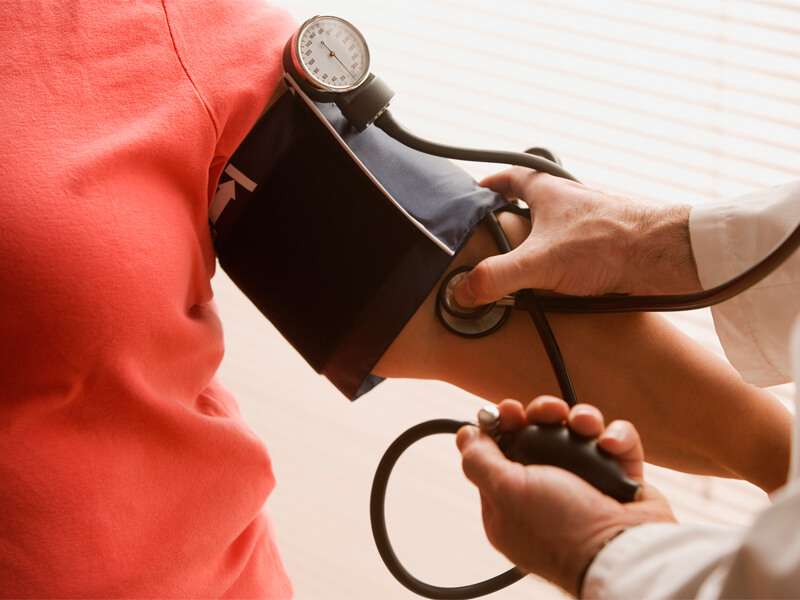
Asthma is a chronic respiratory condition characterized by inflammation of the airways, making breathing difficult. Understanding this condition helps patients manage their symptoms more effectively.
- Main symptoms consist of wheezing, shortness of breath, chest tightness, and coughing that may worsen at night or early morning.
- A diagnosis involves a thorough medical history review along with lung function tests to assess how well your lungs are working.
- Treatment options usually include inhalers (bronchodilators) for immediate relief and anti-inflammatory medications for long-term control.
- A patient plan focusing on triggers—like allergens or exercise—can substantially minimize asthma attacks.
- Regular follow-up visits allow adjustments in management strategies based on symptom control over time.
Effective asthma management allows individuals to lead active lives without significant limitations on their daily activities.
DIABETES MANAGEMENT

Diabetes is a chronic condition that occurs when the body cannot properly use insulin or does not produce enough of it. Managing diabetes effectively is crucial for maintaining overall health and preventing complications.
- The primary symptoms include increased thirst, frequent urination, fatigue, and blurred vision.
- A diagnosis is made through blood tests measuring glucose levels and insulin response in the body.
- Treatment strategies include dietary changes, physical activity, monitoring blood sugar levels, and sometimes insulin therapy or other medications.
- Persistent self-management education is vital for adapting to life with diabetes and enhancing quality of life.
- Regular consultations ensure a tailored approach to individual needs in managing this condition effectively.
With proper care and lifestyle adjustments, living well with diabetes is entirely achievable.
HYPERTENSION

Hypertension, commonly known as high blood pressure, is a silent yet significant health issue affecting millions. When left untreated, it can lead to serious complications such as heart disease and stroke.
- Symptoms may include headaches, dizziness, or nosebleeds, although many individuals experience no signs at all.
- Diagnosis typically involves regular monitoring of blood pressure readings over time to confirm the condition.
- Treatment options vary from lifestyle changes—such as a healthier diet and exercise—to medications that help lower blood pressure.
- Management includes ongoing monitoring and potential adjustments in treatment based on regular check-ups.
- It's essential to understand your blood pressure readings and discuss any concerns with a healthcare provider for effective management.
If you are diagnosed with hypertension, proactive management can significantly reduce your risk of serious health issues.