
Dr Avinash Kumar
About Me
Dr Avinash Kumar
DM
Cardiologist
10 Years Experience
Biography
My Clinic
OPD Hours
| Monday | Morning | 10:00 AM | - | 02:00 PM |
| Evening | 06:00 PM | - | 09:00 PM | |
| Tuesday | Morning | 10:00 AM | - | 02:00 PM |
| Evening | 06:00 PM | - | 09:00 PM | |
| Wednesday | Morning | 10:00 AM | - | 02:00 PM |
| Evening | 06:00 PM | - | 09:00 PM | |
| Thursday | Morning | 10:00 AM | - | 02:00 PM |
| Evening | 06:00 PM | - | 09:00 PM | |
| Friday | Morning | 10:00 AM | - | 02:00 PM |
| Evening | 06:00 PM | - | 09:00 PM | |
| Saturday | Morning | 10:00 AM | - | 02:00 PM |
| Evening | 06:00 PM | - | 09:00 PM | |
| Sunday | Morning | 10:00 AM | - | 02:00 PM |
| Evening | 06:00 PM | - | 09:00 PM |
Treatments
Specialised care and treatments offered
ARRHYTHMIA TREATMENT

An arrhythmia refers to any alteration from normal heartbeat rhythms ranging from abnormally slow rates (bradycardia) up until very rapid dispositions (tachycardia). Careful understanding remains crucial where appropriate treatment tailored specifically must occur!
- Symptoms vary widely; lightheadedness accompanied with palpitations & shortness-of-breath could signify underlying issues yet some remain asymptomatic altogether until severe repercussions arise.
- Diagnosis frequently employs methods involving ECGs & Holter monitors providing essential data about frequency/duration patterns exhibited throughout day-to-day activities enabling precise evaluations!
- Comprehensive plans often incorporate medications aimed directly towards stabilizing heart rates alongside addressing potential etiologies—also lifestyle changes promoting regular scheduled movement assist positively influencing outcomes too!
- Continuous follow-up visits remain imperative ensuring ongoing adaptability based upon emerging requirements identified during monitoring sessions.
Ultimately utilizing collective knowledge surrounding these conditions empowers each person managing them toward improved living experiences regardless how complex their journey might seem initially< p/>
CORONARY ARTERY DISEASE PREVENTION
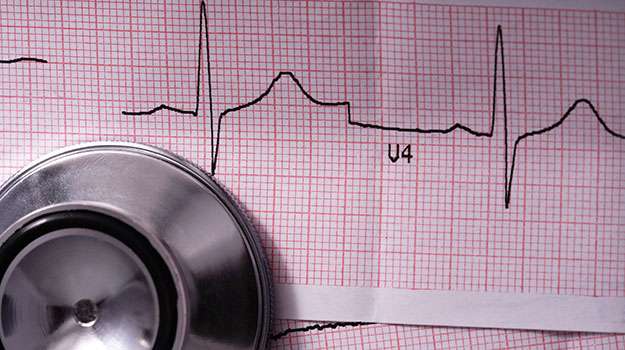
Coronary artery disease (CAD) arises from plaque buildup in coronary arteries reducing blood flow. A preventive approach is key to avoiding serious complications associated with CAD
- This condition may present no early symptoms but could eventually lead to chest pain or discomfort during exertion due to reduced oxygen supply among cardiac tissues..
- A thorough assessment often includes stress tests along with imaging studies such as angiography if deemed necessary for evaluation of arterial health status..
- Lifestyle choices play a fundamental role: quitting smoking, managing weight effectively through balanced nutrition rich in fiber while minimizing saturated fats significantly contributes towards prevention efforts alongside medications aimed at controlling cholesterol levels when indicated..
- Regular check-ups enable proactive identification of risk factors allowing timely intervention aiming towards preserving cardiovascular integrity & preventing future problems..
By prioritizing heart-healthy habits today preventable outcomes become achievable ensuring lasting wellness tomorrow!
ATRIAL FIBRILLATION
Atrial fibrillation (AFib) is an irregular heartbeat that can cause various health issues like blood clots or stroke. Understanding AFib is vital for effective management of the condition.
- Pacing issues may lead to symptoms such as palpitations, dizziness, or even fainting spells; however, some individuals experience no symptoms at all until complications arise.
- The diagnosis typically involves an electrocardiogram (ECG) which records the electrical activity of your heart over time.
- Treatment often centers on lifestyle changes including limiting alcohol intake and engaging in regular aerobic exercise; additionally, anticoagulant medications may be prescribed to reduce stroke risk associated with AFib episodes.
- Monitoring heart rhythm regularly allows adjustments based on frequency or severity of AFib episodes which might necessitate further interventions if required.
Evolving treatments offer hope for better control over atrial fibrillation and enhancing quality of life for those affected by this arrhythmia.
HEART FAILURE MANAGEMENT
Heart failure occurs when the heart cannot pump enough blood to meet the body's needs. This progressive condition requires ongoing management to enhance quality of life.
- Main symptoms include fatigue, breathlessness during exertion or lying down, and fluid retention leading to swelling in the legs and abdomen.
- A comprehensive evaluation that includes physical exams and imaging tests like echocardiograms is essential for diagnosis.
- Treatment options focus on lifestyle adjustments including sodium restriction in diet, gradual increase in physical activity tailored to individual capacity, alongside medications such as ACE inhibitors or beta-blockers to help manage symptoms effectively.
- Sodium restriction helps minimize fluid retention while moderate exercise enhances heart function over time.
- Consistent monitoring with your healthcare provider aids in recognizing changes that could indicate adjustments are needed in your care plan.
A proactive approach can significantly enhance heart function and overall wellbeing despite this chronic condition.
CHOLESTEROL MANAGEMENT
High cholesterol levels increase the risk of heart disease and stroke. Monitoring cholesterol is vital for heart health as it can form plaques in arteries leading to blockages.
- Symptoms are generally absent until serious complications arise, making routine screenings important for early detection.
- A lipid panel test is used to diagnose cholesterol levels by measuring total cholesterol, LDL (bad), HDL (good), and triglycerides.
- Lifestyle modifications such as adopting a diet rich in fruits, vegetables, whole grains, and omega-3 fatty acids can significantly improve cholesterol levels. Medications like statins may also be necessary for some patients.
- Regular physical exercise helps raise HDL cholesterol while lowering LDL levels.
- Periodic testing allows for adjustments in management strategies based on evolving health needs.
Effective management of cholesterol can lead to healthier arteries and improved overall cardiovascular well-being.
HYPERTENSION
Hypertension, or high blood pressure, is a common condition that can lead to serious health problems if left untreated. It often develops over many years and can go unnoticed until significant damage occurs.
- The main symptoms of hypertension include headaches, shortness of breath, and nosebleeds, although many people may not experience any symptoms at all.
- Diagnosis typically involves regular blood pressure measurements using a sphygmomanometer during routine check-ups.
- Treatment may include lifestyle changes such as maintaining a healthy diet low in salt, regular physical activity, and weight management. Medications like diuretics or ACE inhibitors might also be prescribed.
- Managing stress through relaxation techniques can also play a crucial role in lowering blood pressure.
- Regular follow-ups are essential to monitor the condition and adjust treatment as needed.
Taking proactive steps to manage hypertension can greatly reduce the risk of heart attacks and strokes.