
Dr Avinash Kumar
About Me
Dr Avinash Kumar
MBBS
General Physician
Biography
My Clinic
OPD Hours
| Monday | Morning | 10:00 AM | - | 02:00 PM |
| Evening | 06:00 PM | - | 09:00 PM | |
| Tuesday | Morning | 10:00 AM | - | 02:00 PM |
| Evening | 06:00 PM | - | 09:00 PM | |
| Wednesday | Morning | 10:00 AM | - | 02:00 PM |
| Evening | 06:00 PM | - | 09:00 PM | |
| Thursday | Morning | 10:00 AM | - | 02:00 PM |
| Evening | 06:00 PM | - | 09:00 PM | |
| Friday | Morning | 10:00 AM | - | 02:00 PM |
| Evening | 06:00 PM | - | 09:00 PM | |
| Saturday | Morning | 10:00 AM | - | 02:00 PM |
| Evening | 06:00 PM | - | 09:00 PM | |
| Sunday | Morning | 10:00 AM | - | 02:00 PM |
| Evening | 06:00 PM | - | 09:00 PM |
Treatments
Specialised care and treatments offered
THYROID FUNCTION TESTING

The thyroid function testing helps evaluate the efficiency of the thyroid gland in producing hormones necessary for regulating metabolism. Conditions like hypothyroidism or hyperthyroidism can severely impact overall health if overlooked.
- Symptoms: Symptoms vary widely depending on whether hormone levels are low or high; fatigue, weight gain/loss changes indicate potential thyroid dysfunctions among others.
CHOLESTEROL LEVEL EVALUATION

An evaluation of cholesterol levels is essential for assessing cardiovascular health risks. Elevated cholesterol can contribute significantly to the development of heart diseases over time if not managed effectively.
- Symptoms & Risk Factors: High cholesterol itself often presents no symptoms but factors like obesity, poor diet high in saturated fats can increase risk significantly.
- This evaluation typically involves comprehensive lipid panels measuring HDL (good cholesterol), LDL (bad cholesterol), total cholesterol levels alongside triglycerides.
- Diagnostic Process: Routine blood tests offer insight into cholesterol levels while medical history-based assessments gauge overall risk profiles based on personal/family backgrounds
- Management Approaches: Recommendations usually encompass dietary modifications aimed at lowering saturated fats & increasing fiber intake along with physical activity enhancements; statins might also be advised if serious issues arise
Regular monitoring plays an integral role in maintaining optimal health—taking necessary steps toward keeping cholesterol at manageable rates prevents potential cardiac events later on.
RESPIRATORY INFECTIONS ASSESSMENT
The assessment of respiratory infections involves the evaluation of various ailments affecting the respiratory system such as bronchitis or pneumonia. Proper diagnosis is crucial to ensure effective treatment options are pursued immediately.
- Symptoms: Common signs include cough (with or without mucus), fever, difficulty breathing, chest pain, fatigue, and wheezing.
- Causative Agents: Respiratory infections can be caused by viruses (like influenza) or bacteria (such as Streptococcus pneumoniae).
- Diagnostic Tests: Medical history review combined with physical examinations guide further testing like chest X-rays or sputum cultures for precise diagnosis.
- Treatment Strategies: Depending on the type and severity of infection identified, treatments range from rest & hydration to antibiotics for bacterial infections or antiviral medications as needed.
A thorough assessment allows for accurate diagnoses leading to more effective management plans tailored to each individual’s needs in combating respiratory infections effectively.
DIABETES SCREENING

Diabetes screening is an essential process for early detection and management of diabetes mellitus, which encompasses both Type 1 and Type 2 diabetes. Early identification is crucial for effective treatment and preventing complications such as cardiovascular disease.
- Symptoms: Common indicators include increased thirst, frequent urination, extreme fatigue, and blurred vision.
- Risk Factors: Obesity, family history of diabetes, previous gestational diabetes are significant contributors that warrant screening.
- Diagnosis: Blood tests such as fasting glucose or HbA1c levels help determine the presence of diabetes. A healthcare provider will analyze these results in conjunction with patient history.
- Treatment Options: Management primarily focuses on lifestyle adjustments including diet and physical activity; medication may also be required in certain cases to regulate blood sugar levels.
The importance of regular screenings cannot be overstated — they play a vital role in preventing long-term complications associated with uncontrolled diabetes.
HYPERTENSION MANAGEMENT

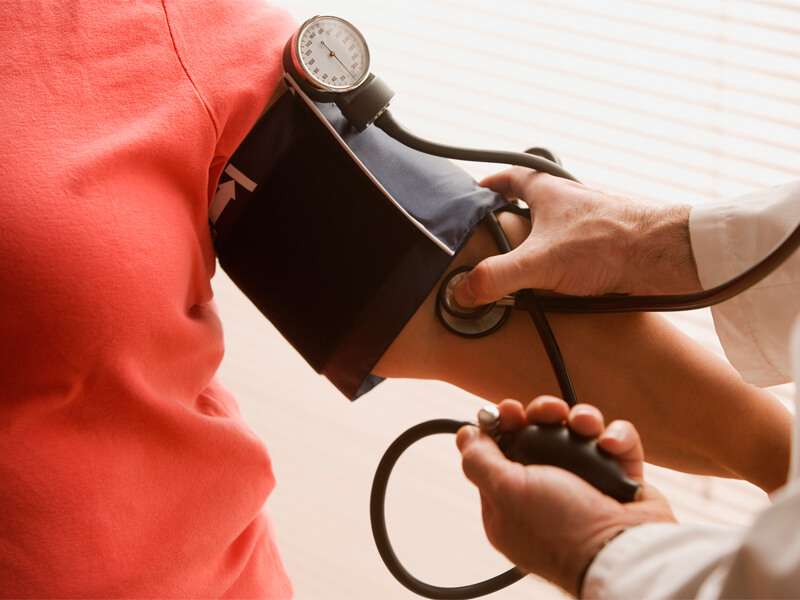
Hypertension, or high blood pressure, is a common yet serious condition that can lead to significant health issues if left untreated. It is often referred to as the 'silent killer' because it typically does not present noticeable symptoms until severe complications arise.
- Symptoms: Many individuals with hypertension may not experience any symptoms; however, some may have headaches, shortness of breath, or nosebleeds.
- Causes: Factors contributing to high blood pressure include obesity, a sedentary lifestyle, excessive salt intake, smoking, and chronic stress.
- Diagnosis: Blood pressure readings are taken regularly and confirmed through multiple visits for accurate diagnosis. Additional tests may be used to rule out underlying conditions.
- Treatment: Management can involve lifestyle modifications such as dietary changes and exercise. Medications like diuretics or ACE inhibitors may be prescribed when necessary.
- Monitoring: Regular follow-ups and blood pressure monitoring are essential components of ongoing care to prevent complications, including heart disease and stroke.
Effective management of hypertension is critical for long-term health. By adhering to treatment plans and making healthy lifestyle choices, individuals can significantly reduce their risk of serious health problems.