
Dr Avinash Parmar
About Me
Dr Avinash Parmar
General Physician
Biography
My Clinic
OPD Hours
| Tuesday | Morning | 10:00 AM | - | 02:00 PM |
| Evening | 06:00 PM | - | 09:00 PM | |
| Wednesday | Morning | 10:00 AM | - | 02:00 PM |
| Evening | 06:00 PM | - | 09:00 PM | |
| Thursday | Morning | 10:00 AM | - | 02:00 PM |
| Evening | 06:00 PM | - | 09:00 PM | |
| Friday | Morning | 10:00 AM | - | 02:00 PM |
| Evening | 06:00 PM | - | 09:00 PM | |
| Saturday | Morning | 10:00 AM | - | 02:00 PM |
| Evening | 06:00 PM | - | 09:00 PM | |
| Sunday | Morning | 10:00 AM | - | 02:00 PM |
| Evening | 06:00 PM | - | 09:00 PM | |
| Thursday | Morning | 10:00 AM | - | 02:00 PM |
| Evening | 06:00 PM | - | 09:00 PM |
Treatments
Specialised care and treatments offered
PREVENTIVE HEALTH SCREENINGS
Preventive health screenings identify potential health issues before they become serious problems. Regular check-ups are instrumental in maintaining overall wellness throughout life stages.
- Symptoms / Warning Signs : Many conditions progress without noticeable symptoms; screenings catch concerns early when they’re most treatable.
- Causes / Risk Factors: Family history & ; personal health background play key roles in determining suitable screening parameters tailored individually.
- Diagnosis : Screenings involve routine assessments including blood tests for cholesterol & ; glucose levels along with cancer screenings like mammograms or colonoscopies depending on age & ; gender specific advice offered by each healthcare professional involved .
- Treatment/Management Options /solutions arise based upon findings from initial evaluations made during routine visits—suggesting further testing where indicated along with recommendations on lifestyle modifications whenever applicable too!
/Focusing proactively rather than reactively enhances chances at achieving optimal well-being across lifespan while minimizing potential future complexities ahead./
GASTROESOPHAGEAL REFLUX DISEASE (GERD) MANAGEMENT

Gastroesophageal reflux disease (GERD) occurs when stomach acid frequently flows back into the esophagus. This acid reflux can irritate the lining of your esophagus if left untreated over long periods.
- Symptoms : Individuals often report persistent heartburn , regurgitation , chest pain , difficulty swallowing , or chronic cough .
- Causes : Factors include obesity , pregnancy , smoking , certain diets that provoke acid production , or anatomical abnormalities .
- Diagnosis : Diagnosing GERD typically involves discussing symptoms followed by possible endoscopy or pH monitoring if necessary .
- Treatment Options : Management focuses on lifestyle changes such as avoiding trigger foods , weight loss when needed , elevating head during sleep , alongside antacid medications if warranted .
By adhering strictly to prescribed recommendations , many patients find significant relief from their symptoms enabling them to enjoy meals without discomfort .
CHOLESTEROL MANAGEMENT

High cholesterol is a significant risk factor for heart disease. Managing cholesterol levels through lifestyle adjustments can have profound benefits on overall health.
- Symptoms: High cholesterol usually presents no direct symptoms but significantly increases the risk of heart attack or stroke over time.
- Causes: Poor diet high in saturated fats and trans fats, sedentary lifestyle, obesity, smoking habits contribute to elevated cholesterol levels.
- Diagnosis: A simple blood test called a lipid panel measures cholesterol concentrations in the blood and helps assess your cardiovascular risk profile.
- Treatment Options : Lifestyle changes including adopting a heart-healthy diet low in saturated fats along with regular aerobic exercise can dramatically lower cholesterol. In some cases , medications may be prescribed when lifestyle changes alone aren't sufficient
- What To Expect : Committing to these changes often results in lower LDL (bad) cholesterol levels , improving heart health over time .
Regular follow-up tests may be necessary to monitor progress closely .
RESPIRATORY INFECTIONS
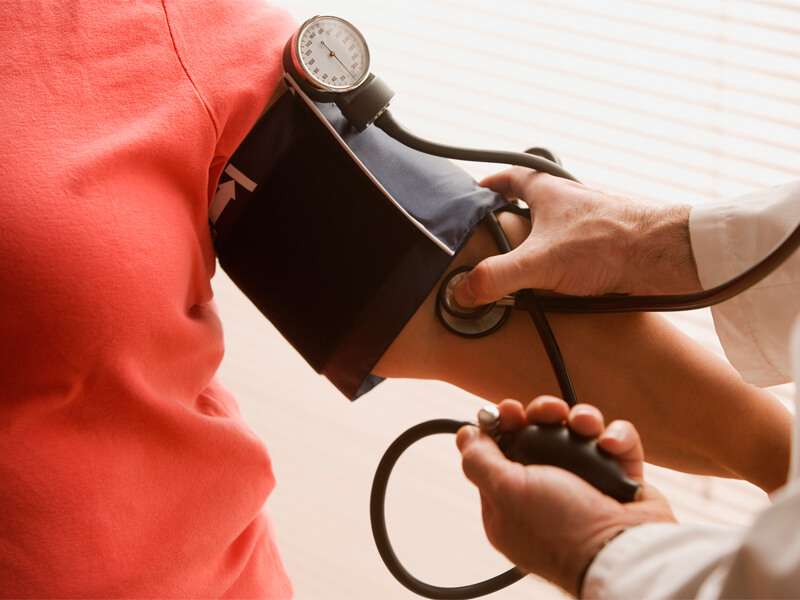
Respiratory infections affect the airways and lungs and range from mild colds to severe illnesses like pneumonia. Understanding the causes and treatments is vital for recovery.
- Symptoms: Symptoms often include coughing, sneezing, fever, chest discomfort, or difficulty breathing depending on the severity of the infection.
- Causes: Most respiratory infections stem from viruses or bacteria; environmental factors like smoke or allergens may exacerbate conditions.
- Diagnosis: Healthcare providers typically evaluate symptoms through clinical assessment; diagnostic imaging or lab tests might be necessary in some cases.
- Treatment Options: Treatment generally consists of rest, hydration, over-the-counter medications for symptom relief; antibiotics may be required for bacterial infections.
A prompt evaluation can significantly reduce recovery time and prevent spread to others in the community.
DIABETES SCREENING AND MANAGEMENT

Diabetes is a chronic condition that affects how your body processes glucose. Early detection through screening is vital for effective management and preventing complications.
- Symptoms: Common symptoms include increased thirst, frequent urination, fatigue, and blurred vision.
- Causes: Risk factors encompass obesity, inactivity, family history of diabetes, and certain health conditions.
- Diagnosis: Blood tests can determine glucose levels; fasting glucose tests and A1C tests are commonly used for diagnosis.
- Treatment Options: Lifestyle changes like incorporating a balanced diet and engaging in regular physical activity are key. Medications may also be prescribed based on individual needs.
- What to Expect: With diligent management strategies tailored to personal lifestyle choices, individuals can lead healthy lives while managing their diabetes effectively.
Ongoing education about the condition is also an essential element of care.
HYPERTENSION MANAGEMENT
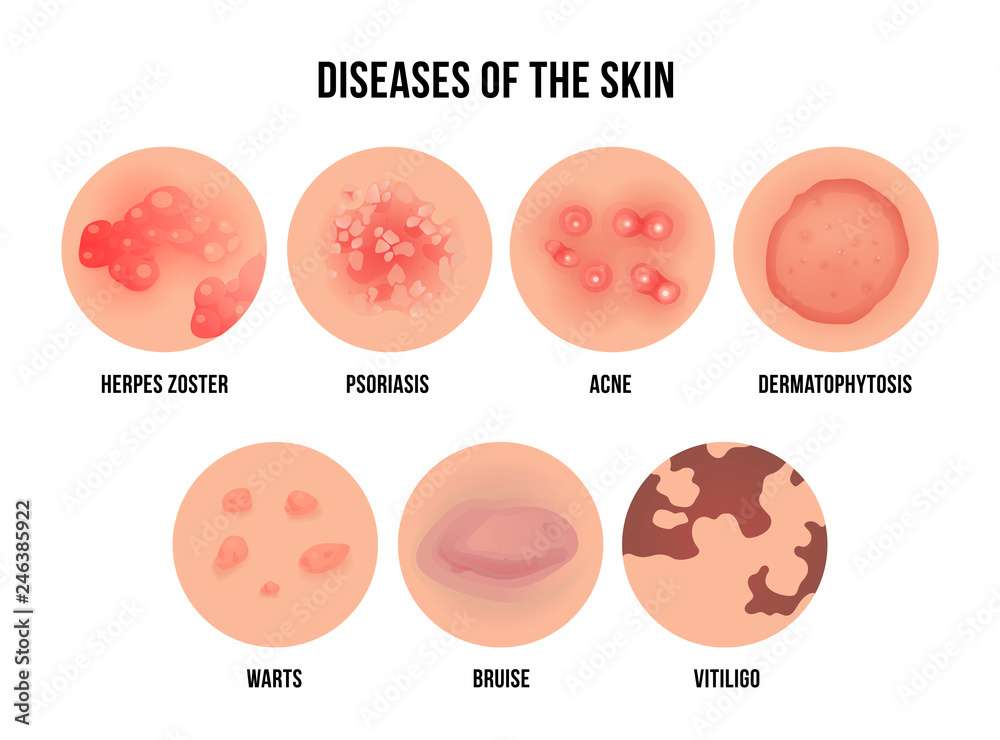
Hypertension, or high blood pressure, is a common condition that can lead to serious health complications if left untreated. It often has no noticeable symptoms, making regular monitoring essential.
- Symptoms: Often termed a silent killer, hypertension may present no symptoms until it leads to cardiovascular issues.
- Causes: Factors include genetic predisposition, unhealthy diet, lack of physical activity, and high-stress levels.
- Diagnosis: Blood pressure is measured using a sphygmomanometer. Continuous monitoring may be recommended for accuracy.
- Treatment Options: Management includes lifestyle modifications such as dietary changes, regular exercise, and possibly medication to help maintain healthy blood pressure levels.
- What to Expect: With proper management, individuals can expect improved well-being and reduced risk of heart-related diseases.
Regular check-ups with a healthcare provider are crucial in effectively managing hypertension.