
Dr Ayub Ali Qureshi
About Me
Dr Ayub Ali Qureshi
Cardiologist
Biography
My Clinic
OPD Hours
| Tuesday | Morning | 10:00 AM | - | 02:00 PM |
| Evening | 06:00 PM | - | 09:00 PM | |
| Wednesday | Morning | 10:00 AM | - | 02:00 PM |
| Evening | 06:00 PM | - | 09:00 PM | |
| Thursday | Morning | 10:00 AM | - | 02:00 PM |
| Evening | 06:00 PM | - | 09:00 PM | |
| Friday | Morning | 10:00 AM | - | 02:00 PM |
| Evening | 06:00 PM | - | 09:00 PM | |
| Saturday | Morning | 10:00 AM | - | 02:00 PM |
| Evening | 06:00 PM | - | 09:00 PM | |
| Sunday | Morning | 10:00 AM | - | 02:00 PM |
| Evening | 06:00 PM | - | 09:00 PM | |
| Thursday | Morning | 10:00 AM | - | 02:00 PM |
| Evening | 06:00 PM | - | 09:00 PM |
Treatments
Specialised care and treatments offered
LIFESTYLE MODIFICATION COUNSELING

Lifestyle modifications play an important role in improving cardiovascular health and preventing various conditions related to the heart. Tailored counseling helps facilitate sustainable changes effectively without overwhelming obstacles ahead!
CONGESTIVE HEART FAILURE EDUCATION
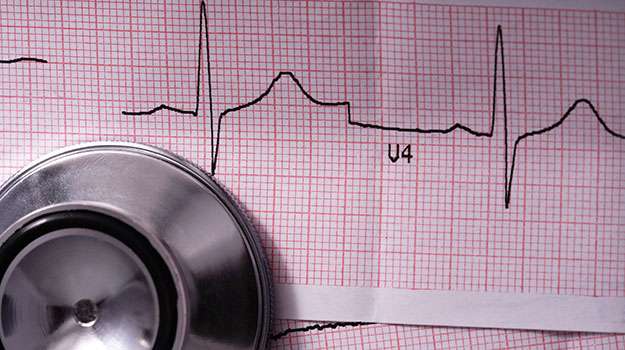
Congestive heart failure occurs when the heart cannot pump blood efficiently. This condition requires ongoing education about lifestyle adaptations for better quality of life.
- Symptoms: Common indicators include shortness of breath during activities or swelling in legs but these may vary widely among individuals.
- Causes: Conditions like coronary artery disease or previous myocardial infarctions contribute significantly towards this heart ailment.
- Diagnosis: Diagnosis often involves echocardiograms alongside comprehensive blood tests assessing kidney function among others relevant metrics assessed by healthcare professionals.
- Treatment/Management: Key focus lies on sodium restriction diets fluid monitoring along with medication adherence enhancing living standards despite existing disabilities stemming from congestive failure matters greatly here!
- < strong What to Expect : As ongoing education paired carefully monitored regimes continue successfully handling demands posed whilst minimizing symptomatic experiences becomes achievable aimed towards greater fulfillment during daily endeavors .
ARRHYTHMIA MANAGEMENT
An arrhythmia refers to an irregular heartbeat which can disrupt normal cardiac function. While some types are harmless, others require careful management to avoid complications.
- Symptoms: People might experience palpitations or feelings of skipped beats; however, some may not notice any symptoms at all.
- Causes: Factors such as stress, caffeine intake, alcohol use or underlying heart conditions can contribute to arrhythmias
- Diagnosis: An electrocardiogram (EKG) evaluates electrical activity in the heart; additional testing may include Holter monitoring if required.
- Treatment/Management: Options vary from lifestyle adjustments including reducing stimulants to medications or procedures that restore normal rhythms depending on severity.
- What to Expect: With appropriate management strategies adjusted based on individual responses over time improvements can usually be anticipated.
Seeking timely advice ensures optimal management tailored specifically towards maintaining heart rhythm health effectively.
HEART DISEASE PREVENTION
The prevention of heart disease is a critical aspect of cardiovascular health. Understanding risk factors helps in implementing effective preventive strategies early on.
- Symptoms: There may be no obvious signs until significant damage has occurred; therefore, awareness is key.
- Causes: Risk factors include hypertension, high cholesterol, smoking, diabetes, obesity, and family history of heart disease.
- Diagnosis: Regular screenings for blood pressure and cholesterol levels help assess risk early on.
- Treatment/Management: Emphasizing lifestyle changes such as proper diet, exercise routines tailored to individual capabilities, stress management techniques like meditation can significantly mitigate risks.
- What to Expect: Early intervention through lifestyle modifications greatly reduces the likelihood of developing heart-related issues over time.
Active participation in personal health management fosters long-term wellness.
CHOLESTEROL MANAGEMENT
Managing cholesterol levels is vital for maintaining cardiovascular health. High cholesterol can lead to arterial blockages and increase the risk of heart disease.
- Symptoms: Elevated cholesterol typically does not present symptoms but can be identified through blood tests.
- Causes: Poor dietary habits, obesity, and lack of physical activity are key contributors to unhealthy cholesterol levels.
- Diagnosis: A lipid panel measures total cholesterol, LDL (bad), HDL (good), and triglycerides in the blood.
- Treatment/Management: Patients are often advised to adopt a heart-healthy diet rich in fibers, engage in regular physical activity, and maintain a healthy weight. Medications may also be necessary in some cases.
- What to Expect: Lifestyle adjustments combined with medical guidance can effectively lower cholesterol levels and enhance overall heart health.
A collaborative approach focusing on nutrition and exercise yields successful results in managing cholesterol levels.
HYPERTENSION MANAGEMENT
High blood pressure, or hypertension, is a common condition that can lead to severe health issues if left untreated. It often goes unnoticed, making regular check-ups essential for early detection.
- Symptoms: Many individuals may experience headaches or dizziness; however, hypertension often presents no symptoms at all.
- Causes: Factors contributing to high blood pressure include poor diet, lack of physical activity, and genetics.
- Diagnosis: Blood pressure is measured using a sphygmomanometer; multiple readings might be needed for accuracy.
- Treatment/Management: Lifestyle changes such as a balanced diet, regular exercise, and reduced salt intake are crucial. Medications may also be prescribed when necessary.
- What to Expect: With proper management, many individuals can achieve and maintain healthy blood pressure levels and reduce their risk of complications.
Regular monitoring and proactive lifestyle choices can significantly improve outcomes for those with hypertension.