
Dr Azam Badar Kh
About Me
Dr Azam Badar Kh
MBBS
General Physician
10 Years Experience
Biography
My Clinic
OPD Hours
| Monday | Morning | 10:00 AM | - | 02:00 PM |
| Evening | 06:00 PM | - | 09:00 PM | |
| Tuesday | Morning | 10:00 AM | - | 02:00 PM |
| Evening | 06:00 PM | - | 09:00 PM | |
| Wednesday | Morning | 10:00 AM | - | 02:00 PM |
| Evening | 06:00 PM | - | 09:00 PM | |
| Thursday | Morning | 10:00 AM | - | 02:00 PM |
| Evening | 06:00 PM | - | 09:00 PM | |
| Friday | Morning | 10:00 AM | - | 02:00 PM |
| Evening | 06:00 PM | - | 09:00 PM | |
| Saturday | Morning | 10:00 AM | - | 02:00 PM |
| Evening | 06:00 PM | - | 09:00 PM | |
| Sunday | Morning | 10:00 AM | - | 02:00 PM |
| Evening | 06:00 PM | - | 09:00 PM |
Treatments
Specialised care and treatments offered
GASTROESOPHAGEAL REFLUX DISEASE (GERD)

Gastroesophageal reflux disease (GERD) occurs when stomach acid frequently flows back into the esophagus. Awareness about its symptoms aids early identification which is fundamental for effective management strategies.
- Symptoms may manifest as chronic heartburn, regurgitation of food or sour liquid, difficulty swallowing, and persistent cough.
- Diagnosis typically involves symptom analysis followed by further testing such as endoscopy for assessing esophagus lining if warranted based on severity.
- Treatment often combines lifestyle changes — like dietary adjustments — with medications aimed at reducing acid production (e.g., proton pump inhibitors) when necessary.
- Regular follow-up appointments allow assessment regarding symptom improvement while ensuring sustained quality life free from debilitating episodes generated by GERD.
Managing GERD effectively not only mitigates discomfort but also protects against potential complications that arise from chronic acid exposure!
ANEMIA

Anemia is a condition characterized by a deficiency in red blood cells or hemoglobin. Understanding its causes can aid in effective treatment strategies tailored to individual needs.
- The primary symptoms include fatigue, weakness, pale skin, dizziness, and shortness of breath during exertion.
- A comprehensive diagnosis usually includes complete blood counts (CBC) along with iron studies or vitamin B12 testing depending on the suspected cause of anemia.
- Treatment often varies; it might involve dietary supplementation of iron or vitamins along with addressing underlying causes such as chronic diseases or nutritional deficiencies.
- Your healthcare provider will guide you through periodic follow-ups to monitor your response to treatment closely so improvements can be tracked clearly over time.
Anemia management requires both medical intervention and patient commitment towards maintaining appropriate nutrition for optimal results!
HYPERLIPIDEMIA

Hyperlipidemia refers to elevated levels of lipids in the blood and is a key risk factor for cardiovascular diseases. Recognizing it early can significantly improve health outcomes.
- This condition often presents no obvious symptoms, making routine screening essential to identify those at risk.
- The diagnosis typically involves lipid panel testing which measures cholesterol types and triglycerides in the bloodstream.
- Treatment primarily focuses on dietary changes alongside potential medication interventions such as statins or fibrates for lipid control.
- Your doctor will regularly monitor your lipid levels to evaluate treatment efficacy and make necessary adjustments over time.
By managing hyperlipidemia through medical care and healthy lifestyle choices, you can drastically reduce your risk of heart disease related complications.
RESPIRATORY INFECTIONS
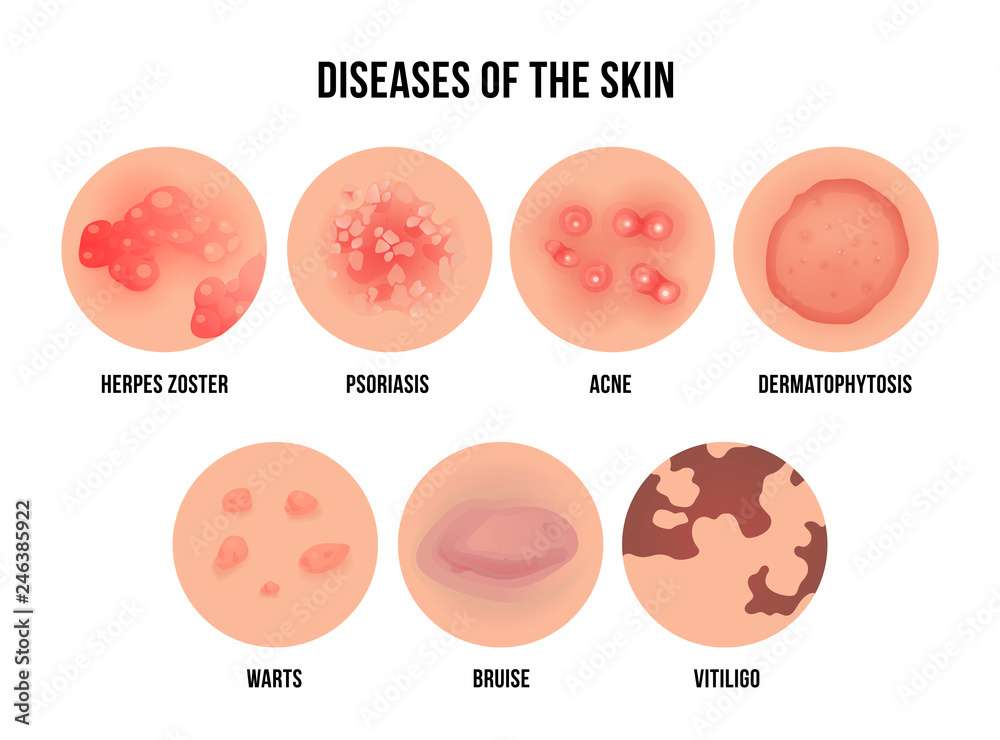
Respiratory infections are common illnesses affecting the airways and lungs. They range from mild colds to more severe conditions like pneumonia.
- Common symptoms include cough, fever, chills, sore throat, and difficulty breathing in severe cases.
- A healthcare provider typically diagnoses these infections through physical examinations and may use chest X-rays or sputum tests for confirmation.
- Treatment options vary but can include over-the-counter medications for symptomatic relief or antibiotics if a bacterial infection is present.
- Pneumonia may require hospitalization depending on severity; recovery processes vary by individual health status.
A thorough understanding of respiratory infections helps in effective management and prevention strategies for future occurrences.
DIABETES MELLITUS

Diabetes mellitus is a chronic condition impacting how your body processes glucose. Early detection and management are vital for maintaining health and preventing complications.
- The symptoms may include increased thirst, frequent urination, extreme fatigue, and blurred vision.
- A diagnosis usually involves blood tests measuring glucose levels, including fasting blood sugar tests and HbA1c tests.
- Managing diabetes includes lifestyle changes such as improved diet and physical activity alongside possible insulin therapy or oral medications.
- Patients will learn to monitor their blood sugar levels regularly to ensure they remain within target ranges.
With proper care, individuals with diabetes can lead healthy lives by keeping their condition well-managed.
HYPERTENSION
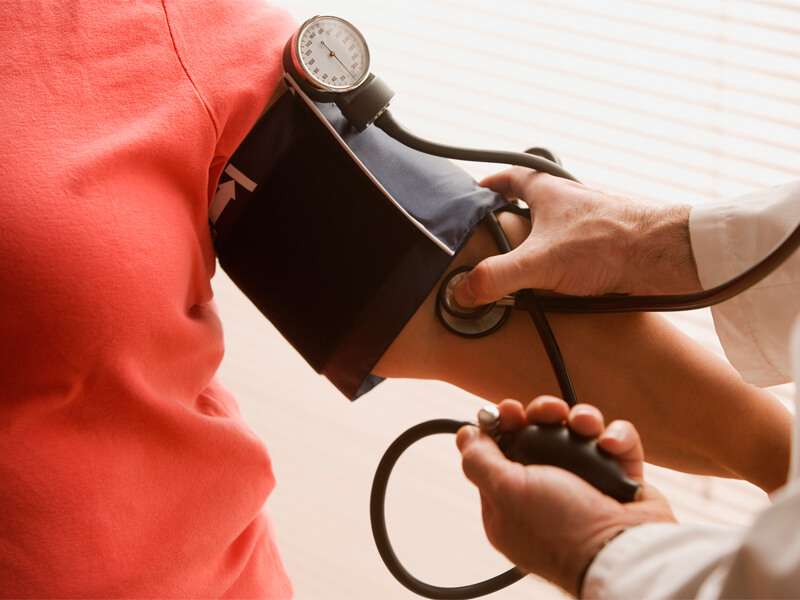
Hypertension, commonly referred to as high blood pressure, is a significant health concern that often goes unnoticed. It can lead to serious complications if left unmanaged.
- Symptoms may include headaches, shortness of breath, and nosebleeds, although many individuals remain asymptomatic.
- Diagnosis typically involves regular monitoring of blood pressure and may include additional tests to assess overall cardiovascular health.
- Treatment options encompass lifestyle modifications such as diet and exercise as well as medications like diuretics or ACE inhibitors.
- Patients can expect ongoing monitoring and adjustments in their treatment plan based on their response to therapy.
Managing hypertension effectively is crucial for reducing the risk of heart disease and stroke.