
Dr Azhar Khan
About Me
Dr Azhar Khan
MBBS
General Physician
10 Years Experience
Biography
My Clinic
OPD Hours
| Monday | Morning | 10:00 AM | - | 02:00 PM |
| Evening | 06:00 PM | - | 09:00 PM | |
| Tuesday | Morning | 10:00 AM | - | 02:00 PM |
| Evening | 06:00 PM | - | 09:00 PM | |
| Wednesday | Morning | 10:00 AM | - | 02:00 PM |
| Evening | 06:00 PM | - | 09:00 PM | |
| Thursday | Morning | 10:00 AM | - | 02:00 PM |
| Evening | 06:00 PM | - | 09:00 PM | |
| Friday | Morning | 10:00 AM | - | 02:00 PM |
| Evening | 06:00 PM | - | 09:00 PM | |
| Saturday | Morning | 10:00 AM | - | 02:00 PM |
| Evening | 06:00 PM | - | 09:00 PM | |
| Sunday | Morning | 10:00 AM | - | 02:00 PM |
| Evening | 06:00 PM | - | 09:00 PM |
Treatments
Specialised care and treatments offered
ANEMIA DIAGNOSIS AND MANAGEMENT
Anemia occurs when there is a deficiency in red blood cells or hemoglobin causing fatigue and weakness. Identifying its type is important for effective treatment tailored to underlying causes.
ROUTINE HEALTH CHECK-UP

A routine health check-up is an essential preventive measure aimed at detecting potential health problems before they become serious. It promotes sustained wellness through early intervention.
THYROID FUNCTION TESTING
The thyroid gland plays a vital role in metabolism regulation. Assessing its function assists in diagnosing disorders that affect energy levels and overall wellbeing.
- Symptoms suggesting dysfunction: Fatigue, weight changes, temperature sensitivity, hair thinning may indicate hypothyroidism or hyperthyroidism.
- Tests involved: Blood tests measuring TSH (thyroid-stimulating hormone), free T3 and T4 hormones provide insight into gland performance.
- Treatment approaches: Hormone replacement therapy for hypothyroidism; antithyroid medications or other interventions for hyperthyroidism depending on severity.
- Lifelong management: Regular evaluations ensure hormone levels remain stable and symptoms controlled effectively over time.
An accurate thyroid assessment facilitates timely treatment preventing long-term health issues linked with hormonal imbalances.
RESPIRATORY INFECTIONS EVALUATION
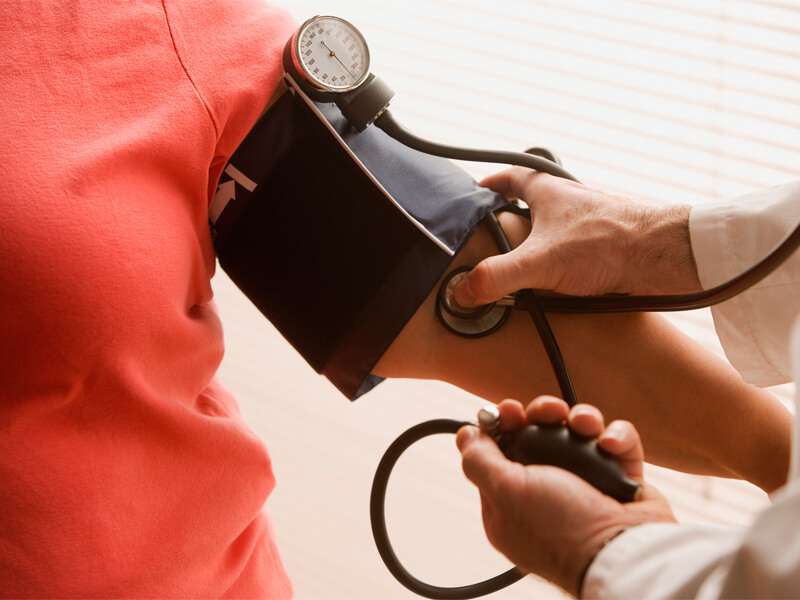
The evaluation of respiratory infections involves identifying the cause of symptoms such as cough and breathlessness to initiate appropriate treatment promptly.
- Common causes: Viral or bacterial pathogens affecting the upper or lower respiratory tract manifesting as cold, bronchitis, or pneumonia.
- Diagnostic process: Clinical examination supplemented by chest X-rays or sputum culture if needed to ascertain severity and cause.
- Treatment options: Symptom relief with analgesics and antipyretics; antibiotics reserved for bacterial infections; rest and hydration essential for recovery.
- Expected recovery: Mild infections typically resolve within days; severe cases may require hospitalization for closer monitoring.
Catching respiratory infections early improves outcomes and limits progression to more serious complications.
DIABETES MELLITUS MONITORING

Diabetes mellitus requires ongoing monitoring and care to prevent complications. Understanding how it affects the body enables better control through a combination of therapies.
- Understanding diabetes: A metabolic disorder characterized by elevated blood sugar levels due to insulin deficiency or resistance.
- Diagnostic tools: Blood glucose testing including fasting plasma glucose, HbA1c levels to assess long-term sugar control.
- Treatment strategies: Dietary adjustments focusing on carbohydrate management, regular exercise, oral hypoglycemics or insulin therapy as needed.
- Complication prevention: Routine monitoring for nerve damage, kidney function tests, eye exams are crucial parts of comprehensive care.
A well-structured approach helps patients maintain stable glucose levels and minimize associated health risks over time.
HYPERTENSION MANAGEMENT

High blood pressure, or hypertension, is a common condition that can lead to serious health complications if left untreated. Managing hypertension effectively reduces the risk of heart disease and stroke.
- Causes and symptoms: Often called the 'silent killer' because it may have no obvious symptoms; causes include genetics, diet, stress, and sedentary lifestyle.
- Diagnosis: Blood pressure measurements taken on multiple occasions using a sphygmomanometer help confirm persistent elevated readings.
- Treatment options: Lifestyle changes such as diet modification, increased physical activity, weight control; medications like ACE inhibitors, beta-blockers as prescribed.
- Monitoring: Regular check-ups are essential to ensure blood pressure remains within a safe range and to adjust treatments if necessary.
With proper management, individuals can maintain normal blood pressure and reduce risks associated with this chronic condition.