
Dr B B Singh-
About Me
Dr B B Singh-
MBBS
Therapist
10 Years Experience
Biography
My Clinic
OPD Hours
| Monday | Morning | 10:00 AM | - | 02:00 PM |
| Evening | 06:00 PM | - | 09:00 PM | |
| Tuesday | Morning | 10:00 AM | - | 02:00 PM |
| Evening | 06:00 PM | - | 09:00 PM | |
| Wednesday | Morning | 10:00 AM | - | 02:00 PM |
| Evening | 06:00 PM | - | 09:00 PM | |
| Thursday | Morning | 10:00 AM | - | 02:00 PM |
| Evening | 06:00 PM | - | 09:00 PM | |
| Friday | Morning | 10:00 AM | - | 02:00 PM |
| Evening | 06:00 PM | - | 09:00 PM | |
| Saturday | Morning | 10:00 AM | - | 02:00 PM |
| Evening | 06:00 PM | - | 09:00 PM | |
| Sunday | Morning | 10:00 AM | - | 02:00 PM |
| Evening | 06:00 PM | - | 09:00 PM |
Treatments
Specialised care and treatments offered
SLEEP DISORDER DIAGNOSIS
The ability to achieve restful sleep is vital for mental & physical health but various sleep disorders disrupt this process causing daytime impairments & long-term consequences.
ACUTE RESPIRATORY INFECTION ASSESSMENT
Sore throat, coughs, or breathing difficulties commonly prompt consultations due to acute respiratory infections. Prompt assessment helps determine severity and need for treatment interventions effectively.
- Symptoms and causes:Coughing, fever, nasal congestion often caused by viral or bacterial pathogens transmitted through droplets or contact exposure.
ANXIETY DISORDER EVALUATION
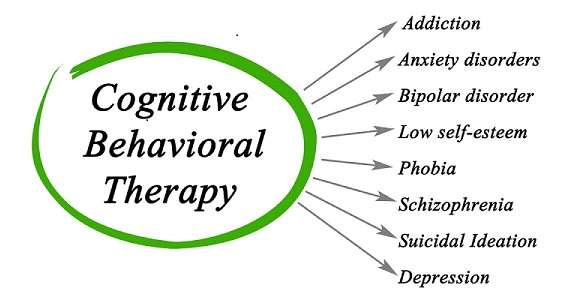
Anxiety disorders affect emotional wellbeing and daily functioning. Proper evaluation allows for accurate diagnosis leading to effective coping strategies tailored for each individual’s needs.
- Symptoms and causes: Includes excessive worry, restlessness, rapid heartbeat; caused by stressors or biochemical imbalances.
- Diagnosis: Structured clinical interviews along with standardized questionnaires aid in defining severity and type of anxiety disorder.
- Treatment and management: May involve psychotherapy such as cognitive behavioral therapy (CBT), medications like anxiolytics, or combined approaches.
- Expectations: Timely treatment promotes symptom reduction improving overall quality of life significantly over time.
An expert assessment ensures that anxiety disorders are identified early which supports successful management strategies customized for patient needs.
DIABETES MELLITUS SCREENING

Early detection of diabetes mellitus can prevent complications by enabling timely intervention. Screening is essential for at-risk populations to identify elevated blood sugar levels before symptoms arise.
- Symptoms and causes: Some may experience increased thirst or fatigue; screening focuses on those with risk factors like family history or obesity.
- Diagnosis: Blood tests including fasting plasma glucose or HbA1c measurements are commonly used diagnostic tools.
- Treatment and management: Lifestyle changes combined with medications when needed help maintain blood sugar within target ranges.
- Expectations: Early management can significantly reduce the likelihood of long-term vascular complications affecting eyes, nerves, and kidneys.
The importance of routine diabetes screening lies in its ability to detect silent elevations in glucose that warrant prompt medical attention and lifestyle adjustment.
MANAGEMENT OF HYPERTENSION
High blood pressure is a common condition that can lead to serious complications if unmanaged. Understanding its management is crucial in reducing the risk of cardiovascular disease.
- Symptoms and causes: Often asymptomatic; caused by genetics, lifestyle factors, or underlying medical conditions.
- Diagnosis: Requires multiple accurate blood pressure readings over time to confirm sustained elevation.
- Treatment and management: Lifestyle modification such as reducing salt intake, increasing physical activity, alongside medications if necessary.
- Expectations: With proper control, patients can minimize risks of stroke, heart attack, and kidney damage.
A proactive approach towards hypertension involves adherence to treatment plans and regular monitoring to ensure optimal blood pressure control.
GENERAL HEALTH CHECKUP
Maintaining overall well-being requires regular health evaluations to detect potential issues early and guide lifestyle choices. A general health checkup is a comprehensive approach to assess your current health status.
- Symptoms and causes: Typically done as a preventive measure, especially if no symptoms are present.
- Diagnosis: Involves measuring vital signs like blood pressure, heart rate, and basic laboratory tests such as blood glucose and cholesterol levels.
- Treatment and management: Based on findings, recommendations may include dietary changes, exercise plans, or further specialist referrals.
- Expectations: Results provide insight into risk factors for chronic diseases and establish baseline data for future comparisons.
A regular general health checkup empowers individuals to take charge of their health by identifying risks early and adopting effective prevention strategies.