
Dr B D Kate
About Me
Dr B D Kate
Cardiologist
Biography
My Clinic
OPD Hours
| Tuesday | Morning | 10:00 AM | - | 02:00 PM |
| Evening | 06:00 PM | - | 09:00 PM | |
| Wednesday | Morning | 10:00 AM | - | 02:00 PM |
| Evening | 06:00 PM | - | 09:00 PM | |
| Thursday | Morning | 10:00 AM | - | 02:00 PM |
| Evening | 06:00 PM | - | 09:00 PM | |
| Friday | Morning | 10:00 AM | - | 02:00 PM |
| Evening | 06:00 PM | - | 09:00 PM | |
| Saturday | Morning | 10:00 AM | - | 02:00 PM |
| Evening | 06:00 PM | - | 09:00 PM | |
| Sunday | Morning | 10:00 AM | - | 02:00 PM |
| Evening | 06:00 PM | - | 09:00 PM | |
| Thursday | Morning | 10:00 AM | - | 02:00 PM |
| Evening | 06:00 PM | - | 09:00 PM |
Treatments
Specialised care and treatments offered
PACEMAKER INSERTION

A pacemaker insertion is necessary when an individual's heart beats too slowly (bradycardia) or has irregular rhythms. By sending electrical impulses, pacemakers help regulate cardiac function efficiently without extensive surgical procedures involved in traditional open-heart surgeries!
- Symptoms prompting this intervention could range from dizziness to fainting episodes caused by severely slowed heart rates.'Diagnosis usually relies on tests such as ECGs which uncover underlying conduction abnormalities leading up toward definitive recommendations towards implantable devices!Post-procedure care focuses heavily on regular monitoring along with maintaining scheduled follow-ups ensuring proper device functionality while adapting lifestyle choices appropriately!
CARDIAC CATHETERIZATION
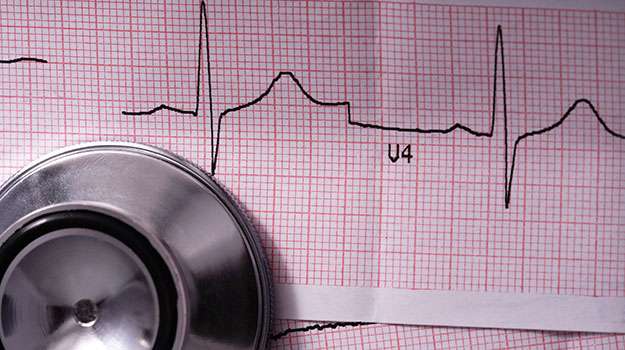
This diagnostic procedure allows doctors to observe how blood flows through the heart's chambers. Utilizing thin tubes inserted into blood vessels, cardiac catheterization assesses both structural anomalies and blockages within coronary arteries accurately without major surgery.
- This approach may be prompted by symptoms like severe chest pain or abnormal results from previous tests indicating potential blockages.
- The diagnosis process often includes imaging techniques like angiography performed concurrently with catheter placement for comprehensive insights into arterial health!
Various treatments, such as stenting or balloon angioplasty may follow if significant blockages are detected during catheterization.
Patient recovery typically happens swiftly after this procedure with minimal downtime expected!
STRESS TEST
A stress test evaluates how well the heart performs under physical exertion. This assessment helps diagnose coronary artery disease by observing cardiac responses to increased workload via exercise or medication-induced stimulation.
- Pain or discomfort in the chest during activity can indicate underlying issues; hence this test becomes critical for symptomatic individuals.
- The typical approach involves using a treadmill or stationary bike while measuring vital parameters like heart rate and blood pressure continuously.
- If exercise isn't possible, pharmacologic agents simulate stress responses as an alternative technique.Results from this test guide treatment plans and risk assessments effectively for cardiovascular diseases.
The insights gained from stress tests are fundamental in shaping preventive strategies against future cardiovascular incidents through targeted therapies and lifestyle adjustments.
HOLTER MONITOR
A Holter monitor is a portable device worn by patients to continuously track their heart rate and rhythm over 24-48 hours. This non-invasive monitoring assists in diagnosing arrhythmias not captured during standard ECGs.
- The main symptoms prompting this test could be palpitations, dizziness, or fainting spells that are inconsistent in frequency.
- A technician applies electrodes to the chest before sending patients home with the device for continuous monitoring throughout their daily activities.
- The collected data helps identify abnormal heart rhythms and can lead to targeted treatments based on findings.
- No restrictions exist regarding activities during testing; however, patients should keep a diary of symptoms experienced while wearing the monitor for correlation purposes.
This method provides invaluable insights into a patient’s cardiac health without impacting their usual routine significantly.
ECHOCARDIOGRAM
An echocardiogram is a diagnostic test that uses ultrasound waves to create images of the heart. It's commonly used to evaluate heart function and structure without any invasive procedures.
- The causes for requiring an echocardiogram may include suspected heart murmurs, valve problems, or unexplained chest pain.
- This test is generally conducted in an outpatient setting and involves placing electrodes on the chest while ultrasound gel is applied.
- Results help determine conditions like cardiomyopathy or pericarditis, guiding further management options.
- No special preparation is needed except for wearing comfortable clothing; many patients find it painless and quick.
An echocardiogram plays a crucial role in diagnosing various cardiac conditions and assessing treatment needs effectively.
ANGIOPLASTY
Angioplasty is a minimally invasive procedure aimed at widening narrowed or obstructed blood vessels in the heart. It is often conducted when patients experience symptoms of coronary artery disease or have had a heart attack due to blocked arteries.
- Symptoms of blocked arteries may include chest pain (angina), fatigue, and shortness of breath.
- This condition is typically diagnosed through tests such as angiography, stress tests, or echocardiograms.
- Treatment options include balloon angioplasty, where a small balloon is inflated at the site of blockage to restore blood flow.
- After the procedure, patients can expect some discomfort but most return to normal activities within days.
- Long-term management may involve lifestyle changes and medications to reduce further risks.
Overall, angioplasty can significantly improve quality of life and decrease the chances of severe cardiovascular events.